
The arrival of peak fall activity across New York brings renewed focus to the logistics challenges that often define the season. For grain handlers and producers, managing the flow of product through local elevators and transport networks remains a primary concern as operational pressures mount. With the added weight of potential fluctuations in diesel costs, operators are finding it essential to streamline logistics and supply chain management during this busy window.
Prioritizing Infrastructure and Shop Readiness
Beyond the immediate demands of the field, this time of year often serves as an ideal interval for conducting essential maintenance. Ensuring that farm shop infrastructure is fully operational can prevent costly downtime when equipment is needed most. Proactive attention to storage facilities and regional harvest logistics, including clear pathways for heavy transport vehicles, helps maintain a steady pace as crops are moved from the field to storage or final delivery points.
Strategic Planning in a Volatile Market
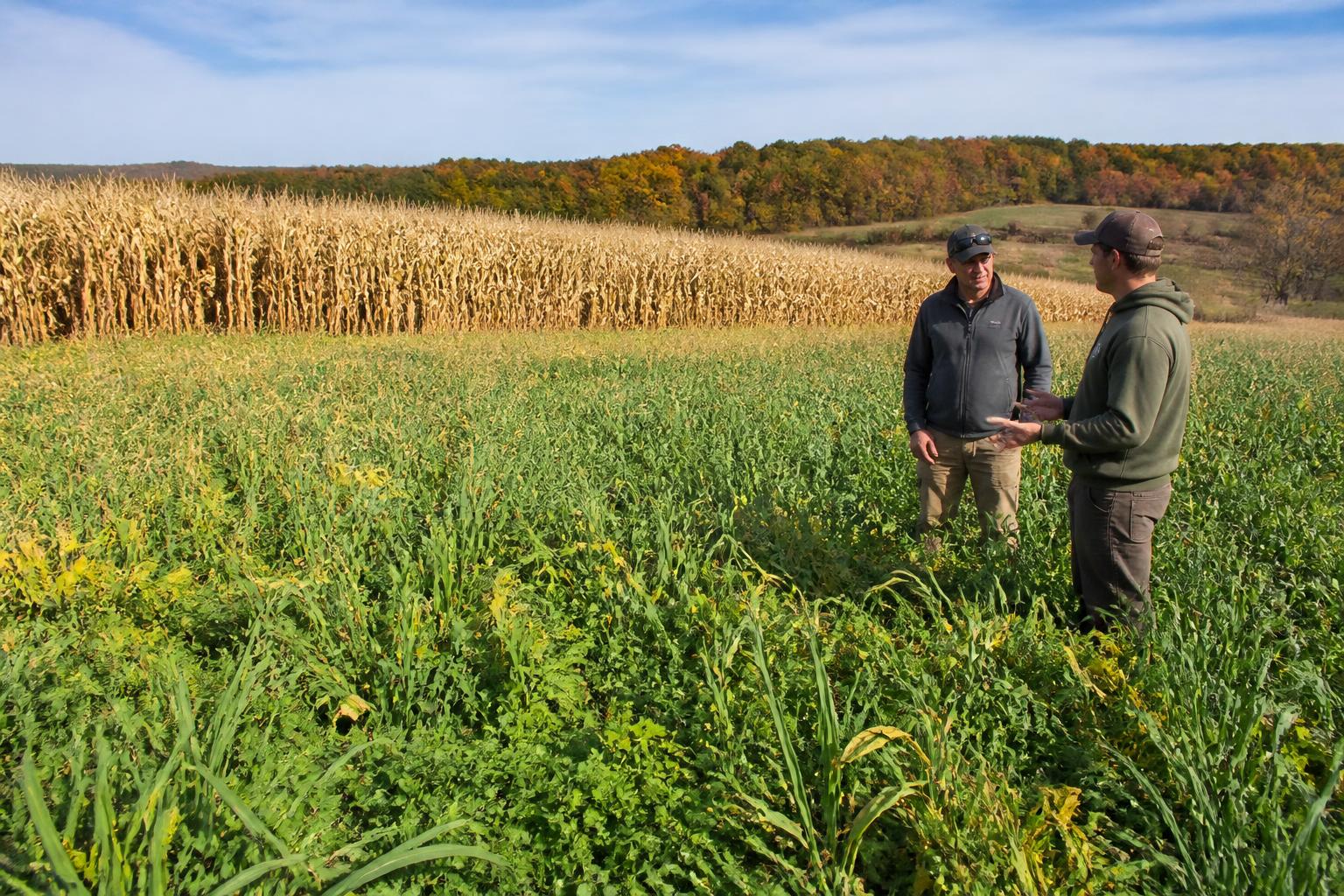
The current environment requires a careful balance between immediate operational tasks and long-term planning. Producers are increasingly looking at ways to integrate sustainable practices, such as cover cropping to mitigate erosion, while simultaneously evaluating input flows and supply chain stability. Keeping a close watch on regional fuel prices and logistical bottlenecks remains a standard best practice for agribusinesses across the state, from the Hudson Valley to the Finger Lakes and beyond.
What it means for the market
Market participants should continue to monitor fuel pricing trends closely, as volatility here directly impacts the cost of moving goods to market. By tightening logistics chains and focusing on preventative shop maintenance now, agricultural businesses can better protect their margins against the unpredictable variables of the fall season.
Comments
No comments yet - be the first to share your take.