
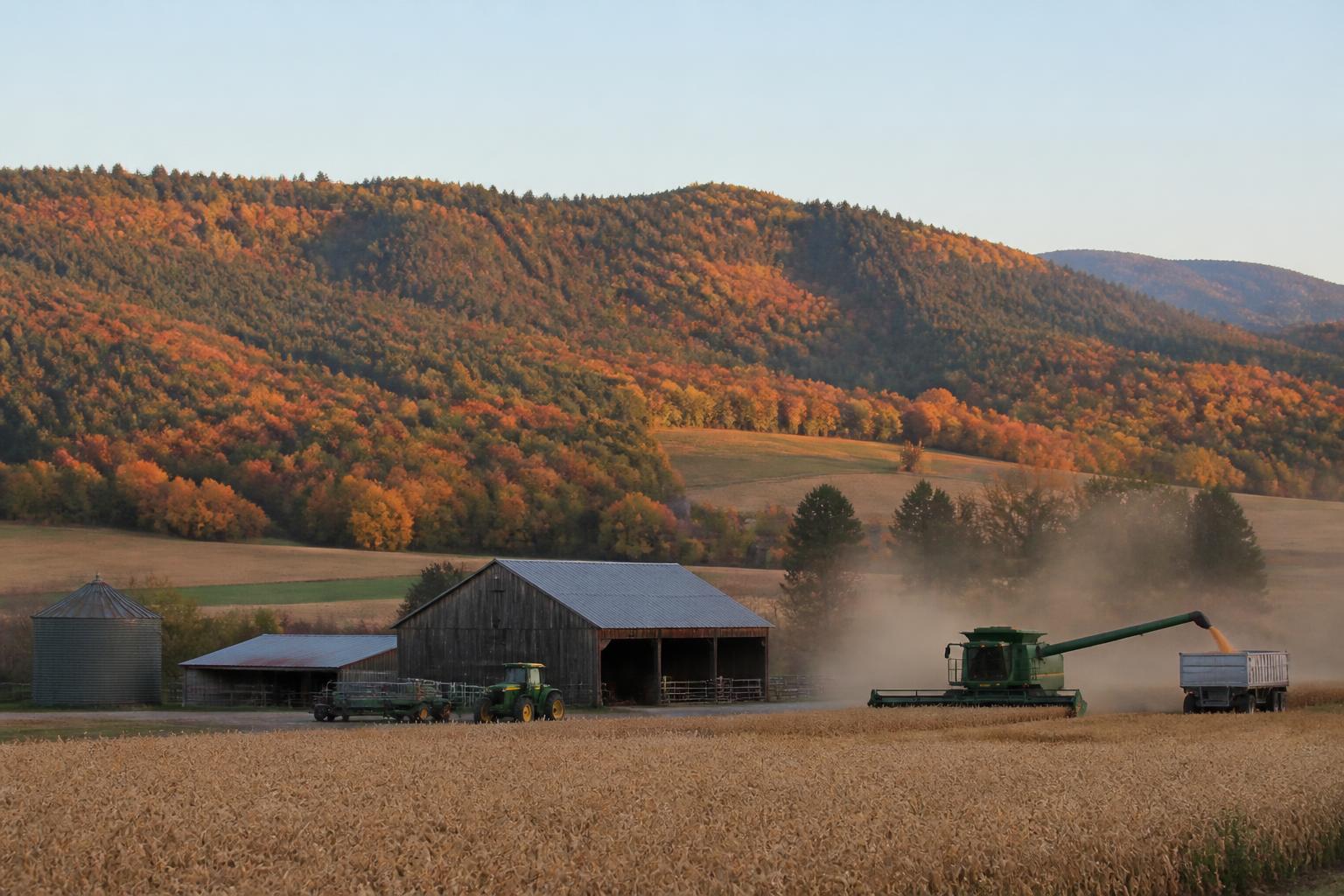
As the fall season progresses across Oregon, the agricultural sector faces the dual pressures of managing harvest-time logistics and adapting to shifting market environments. For grain handlers and transport providers moving commodities from the fertile valleys to export hubs, efficiency remains the primary driver for maintaining margins as we head deeper into the fourth quarter.
Maintaining resilient supply chains is essential for producers in regions like the Willamette Valley and the Columbia Basin, where the timing of product movement directly impacts profitability. As logistics pivot toward export channels, stakeholders are increasingly focused on optimizing truck routing and elevator throughput to avoid seasonal bottlenecks that often arise as winter approaches.
Adapting to Supply Chain Evolution
The broader agricultural market is currently seeing significant interest in how infrastructure upgrades can alleviate long-standing transport hurdles. Whether through the development of specialized new milling capacity or advancements in air and land cargo technology, there is a clear trend toward enhancing the speed and flexibility of agricultural movement. For local carriers, these shifts represent an opportunity to modernize fleets and align with more sophisticated cargo handling requirements.
Managing Risk and Regulatory Awareness
Beyond physical logistics, producers are also navigating a complex regulatory and market environment. Staying informed about infrastructure and regulatory updates is critical for those managing the intersection of production and supply chain management. Legal and marketing challenges, such as recent high-profile cases involving consumer transparency, also underscore the importance of precision in supply chain claims and product labeling as goods move through the value chain.
What it means for the market
For Oregon agribusinesses, the current climate demands a proactive approach to logistics and a keen eye on market shifts. By focusing on infrastructure efficiency and maintaining a clear understanding of the regulatory landscape, producers can better position themselves to handle the logistical demands of the late-fall harvest and beyond. Flexibility in transport planning, combined with a commitment to resilient supply chain practices, remains the best defense against seasonal volatility.
Comments
No comments yet - be the first to share your take.