
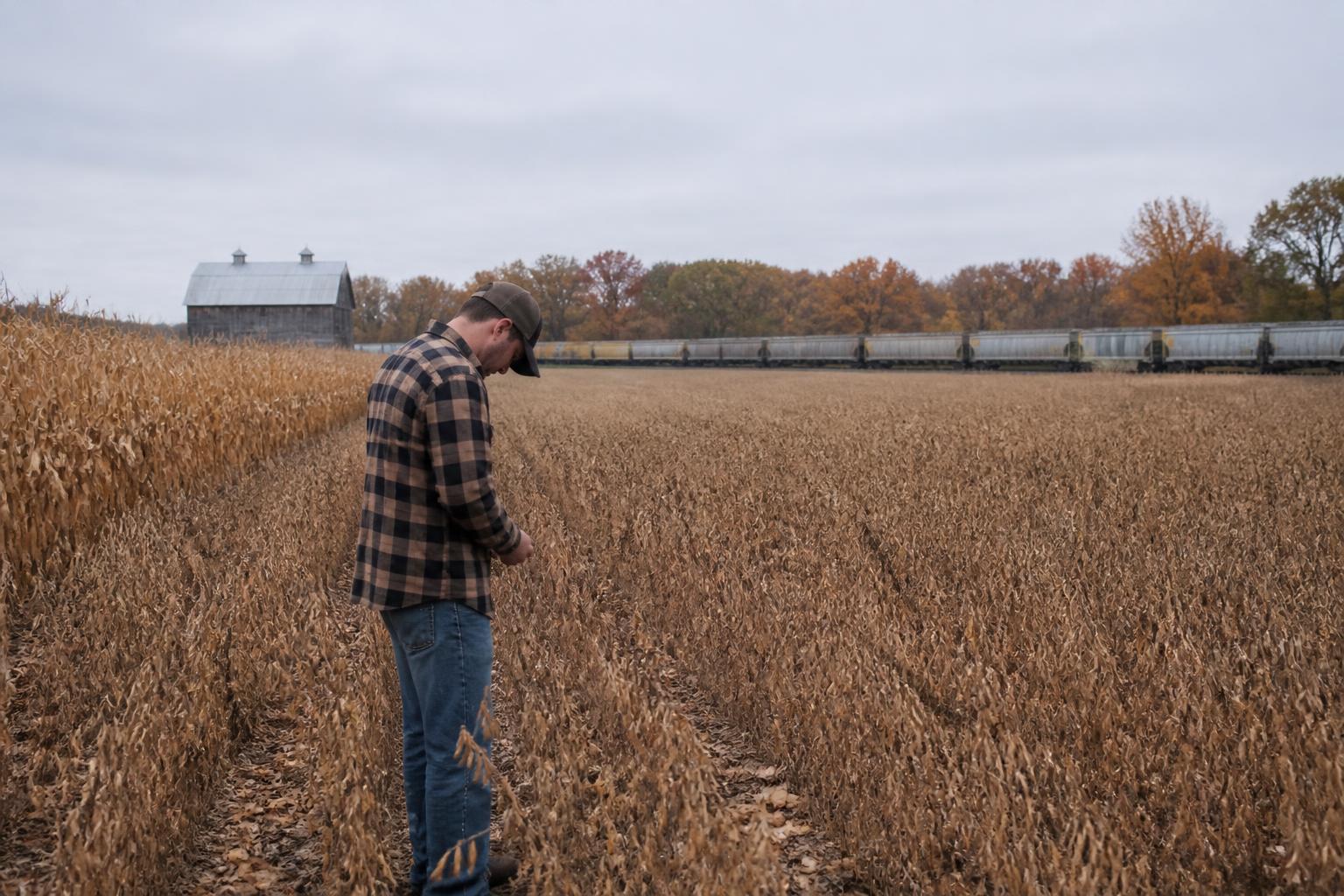
As harvest activity progresses across Illinois, farmers are balancing the physical demands of the season with an increasingly complex economic environment. Input costs remain a primary focus for many operations, with producers closely monitoring fuel prices and logistical expenses that can fluctuate during the peak transport window. These operational realities are compounded by shifts in available resources, as agricultural sectors look toward both private industry and remaining public programs for guidance.
Adapting to Changing Support Frameworks
The agricultural landscape in the state is seeing a transition in how technical support and conservation initiatives are managed. With reports of reduced staffing levels in federal conservation roles, many producers are turning toward alternative resources to navigate fall input strategies and long-term soil health management. Despite these adjustments, regional programs such as the Illinois S.T.A.R. initiative continue to play a role in sustainability efforts, even as some state-level conservation programs face funding pressures that may influence future adoption rates.
Operational Logistics and Economic Pressures
Logistical efficiency remains a cornerstone of a profitable harvest. Beyond the immediate task of field operations, Illinois agribusinesses are contending with the broader impact of rising overhead. Whether it is managing transportation costs for grain or coordinating with emerging leadership at industry groups like the IFCA, farmers are emphasizing adaptability. Staying informed on shifting transportation costs is essential as grain moves from field bins to regional elevators and rail facilities.
What it means for the market
For Illinois producers and input buyers, the current environment suggests a trend toward increased reliance on private-sector partnerships and precision data as federal support fluctuates. With field pressures mounting throughout the harvest window, success this season will likely depend on tight cost control and proactive planning for next year's crop inputs. Farmers should continue to leverage peer-to-peer advice and private industry expertise to fill the gaps left by evolving public sector capacity.
Comments
No comments yet - be the first to share your take.