
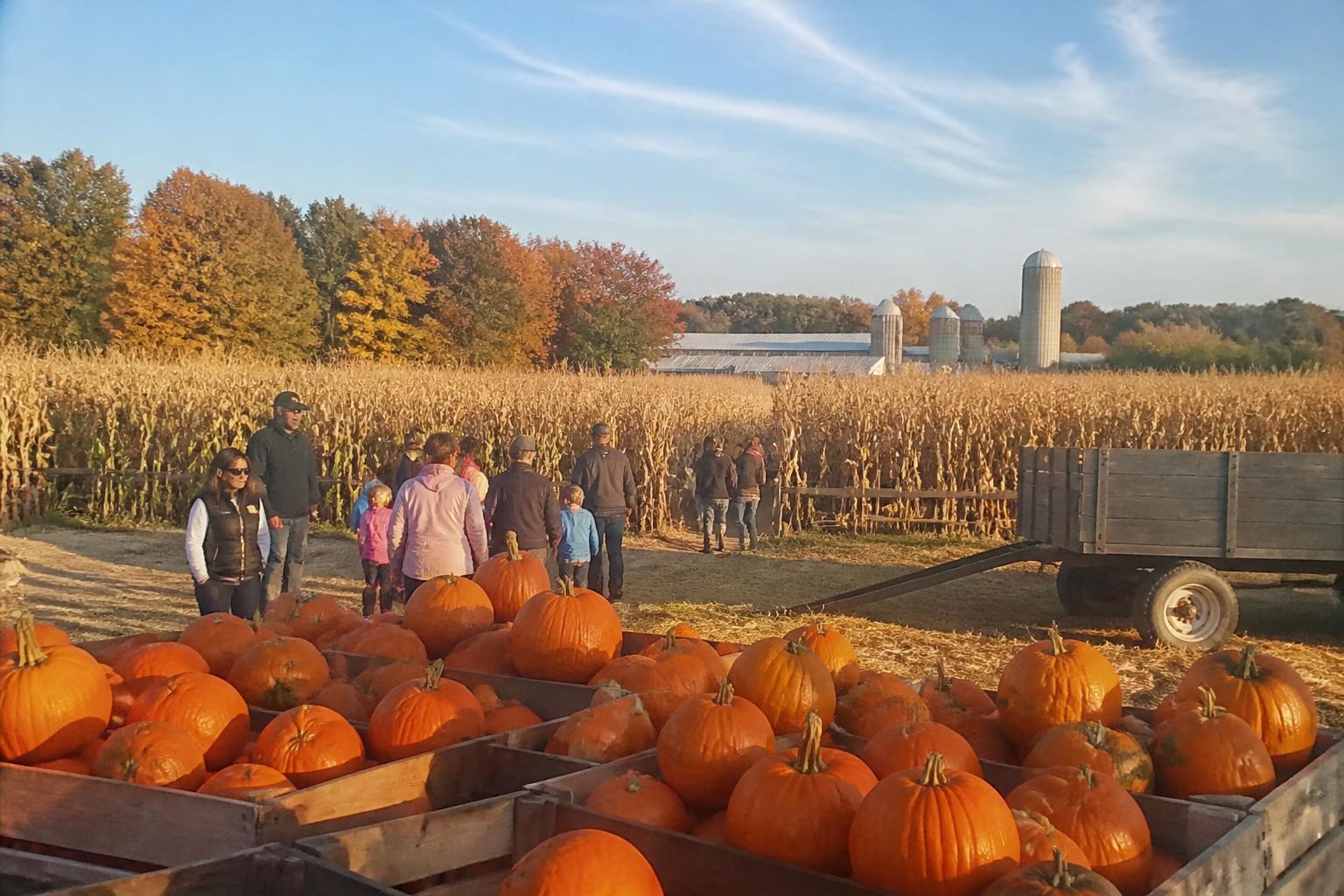
As the harvest season progresses across Massachusetts, local agricultural leaders are highlighting a critical imbalance between consumer interest and the operational capacity of the state's food supply chain. While the demand for locally produced food continues to grow, growers are finding that the lack of necessary infrastructure to process, store, and distribute these crops is increasingly becoming a bottleneck for market expansion.
For many small and mid-sized family farms across the state, this means that even when crop yields are strong, the ability to get those products to local markets remains constrained. Industry observers suggest that without a more robust investment in regional processing facilities, supply may struggle to keep pace with the evolving preferences of Massachusetts consumers who increasingly prioritize local sourcing.
The Logistics of Local Scaling
Scaling up operations in a state where farmland availability can vary significantly by county requires more than just increased production. Logistics management is vital, as farmers navigate seasonal labor needs and the high costs associated with maintaining equipment and post-harvest storage. Efficient logistics and late-season planning are essential for producers looking to mitigate losses during the transition to winter months.
Furthermore, managing these assets effectively has become a priority as input costs remain a central focus for operators throughout the autumn. As noted in recent reports regarding how growers track their overhead during seasonal shifts, tight margins necessitate smarter use of existing space and labor. Improving the processing capacity could allow farmers to extend the shelf life of their harvest and reach a broader customer base, helping to justify the capital investments needed to keep operations sustainable in a competitive market.
Innovations in Processing and Sustainability
The conversation around agricultural infrastructure in Massachusetts is increasingly intersecting with the adoption of new technologies. While smart agriculture and automated tools are often discussed in the context of large-scale production, smaller operations are also looking for ways to streamline their handling processes. Whether through shared processing facilities or cooperative models, the goal is to reduce the manual labor burden that currently hinders throughput on many farms.
Addressing these processing gaps is seen as a key step in ensuring that the regional food system remains resilient. As the sector matures, the integration of better handling techniques and storage infrastructure will likely be the deciding factor for farms looking to transition from small-scale operations to more consistent local market suppliers.
What it means for the market
For agribusinesses and carriers operating in Massachusetts, the current infrastructure shortfall represents both a challenge and a long-term opportunity. If the state continues to see high demand for local products, the need for enhanced processing and distribution capabilities will grow. For producers, focusing on collaborative infrastructure projects or seeking out regional processing partnerships may be the most viable way to scale operations and capitalize on the current market appetite for local goods.
Comments
No comments yet - be the first to share your take.