
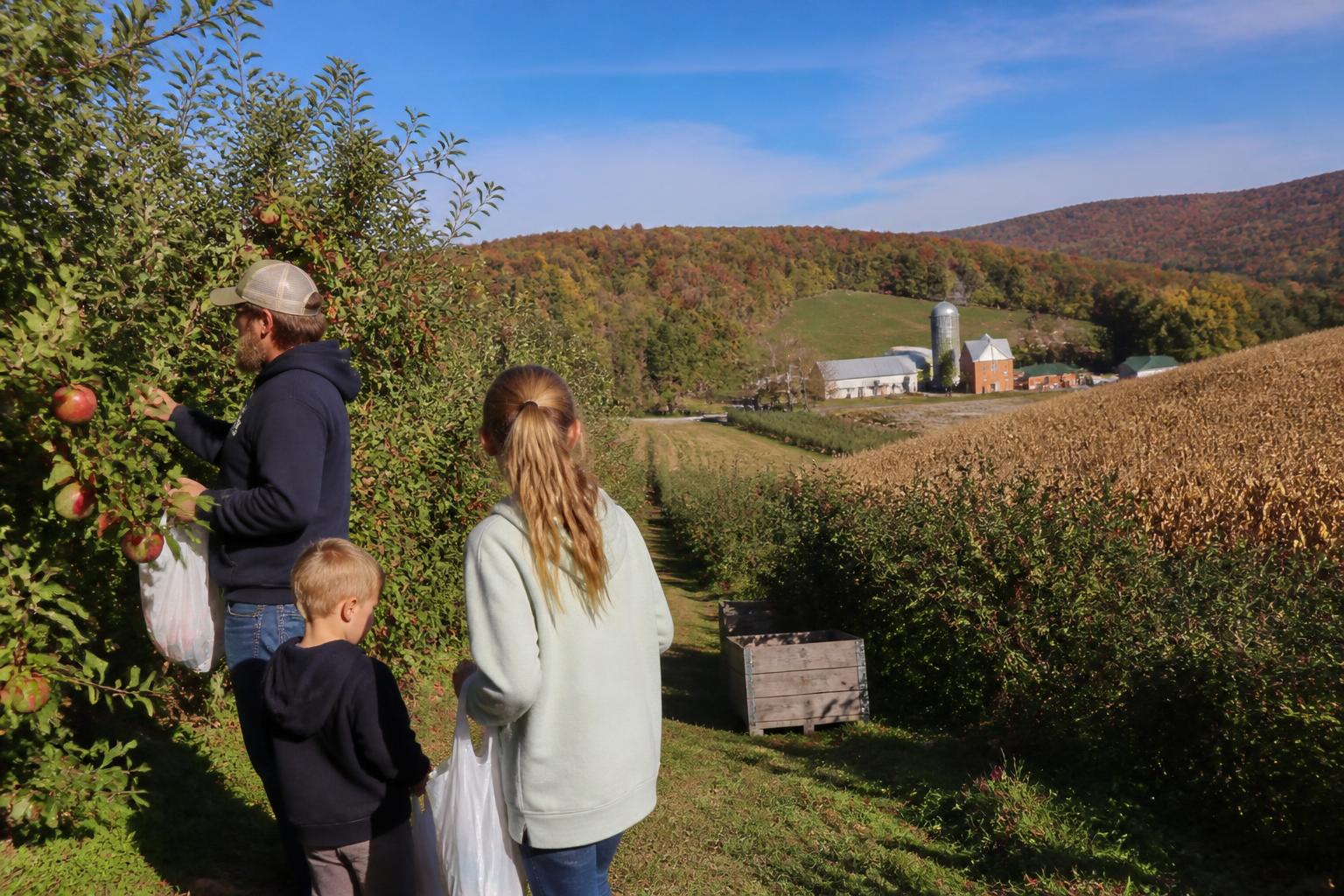
As West Virginia transitions further into the fall season, orchardists and regional growers are increasingly focused on mitigating the risks posed by shifting weather patterns. While the primary concerns in the state often revolve around managing field moisture and drainage, the arrival of cooler nights requires careful monitoring to ensure that late-season crops remain protected from sudden drops in temperature.
Protecting tender crops during periods of volatility is a standard operational challenge for many West Virginia agricultural businesses. Proactive management remains the most effective defense, with many producers utilizing irrigation or other field-specific techniques to create a buffer against rapid thermal fluctuations. These efforts help stabilize microclimates within orchard blocks, ensuring that delicate fruit and nursery stock do not suffer premature damage.
Navigating Environmental and Operational Risks
Beyond thermal concerns, regional growers are navigating a complex landscape of operational hurdles. From addressing pest pressures like the spotted lanternfly—which can impact the long-term health of orchard acreage—to staying ahead of broader weather-related logistics challenges, the ability to adapt remains critical. Producers are encouraged to maintain robust inventory records and monitor local agricultural alerts to adjust labor and input application schedules in real time.
What it means for the market
The emphasis on crop protection highlights a tightening operational margin for West Virginia agribusinesses this fall. By prioritizing climate-resilient management strategies, producers can better secure their output, supporting the state's broader agricultural reputation. As we move deeper into the season, maintaining close communication with local cooperatives and extension services will be essential for identifying effective, cost-efficient protective measures that minimize potential loss.
Comments
No comments yet - be the first to share your take.