
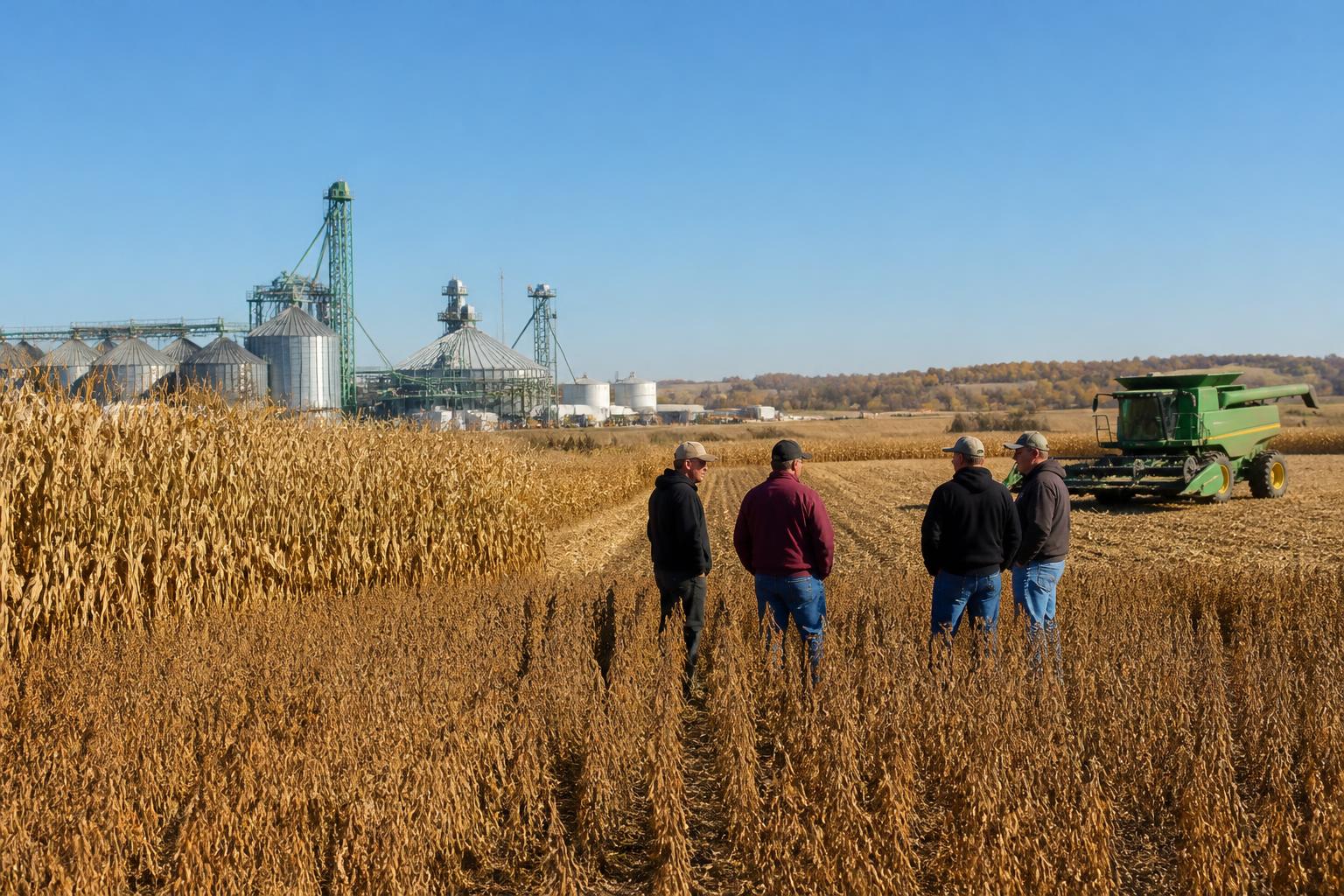
As harvest gains momentum across Nebraska, producers are facing a complex market landscape. While localized efforts and strong yields have marked the season in many parts of the state, agricultural stakeholders are increasingly focused on the intersection of international trade volatility and domestic infrastructure shifts. Grain market participants are finding that current conditions necessitate a departure from one-size-fits-all strategies, particularly when managing inventory in a season defined by both potential volume and shifting export demand.
The Impact of Trade and Export Dynamics
International trade remains a primary driver for Nebraska grain prices, creating an atmosphere of caution for many producers. Uncertainty regarding international purchasing patterns, including specific challenges related to genetically modified corn exports, continues to weigh on producer sentiment. As regional elevators and cooperatives adjust to these external pressures, farmers may find it increasingly necessary to evaluate their risk management tools. Understanding the nuances of market volatility is essential for those balancing the need for immediate cash flow against the desire to capture higher prices later in the marketing year.
Local Infrastructure and Strategic Storage
While global markets remain unpredictable, domestic developments such as new soybean crush facilities are creating localized opportunities for Nebraska farmers. These investments can provide more consistent basis levels, offering a buffer against the broader fluctuations seen on the Chicago Board of Trade. However, moving grain efficiently remains a logistical challenge. With the ongoing pressure on rail and trucking networks, producers are reminded to stay ahead of infrastructure and transit constraints to ensure that stored grain can reach its destination when market opportunities align.
What it means for the market
For Nebraska agribusinesses and farmers, the current market calls for a proactive, flexible approach to grain handling and risk management. As harvest yields appear strong in several northeast counties, the ability to store grain effectively on-farm or through local elevators provides a competitive edge against short-term price dips. Given the regional frustration surrounding trade barriers, prioritizing domestic crush demand and diversifying sales timing will be critical for protecting bottom lines throughout the remainder of the fall and into the upcoming winter season.
Comments
No comments yet - be the first to share your take.