
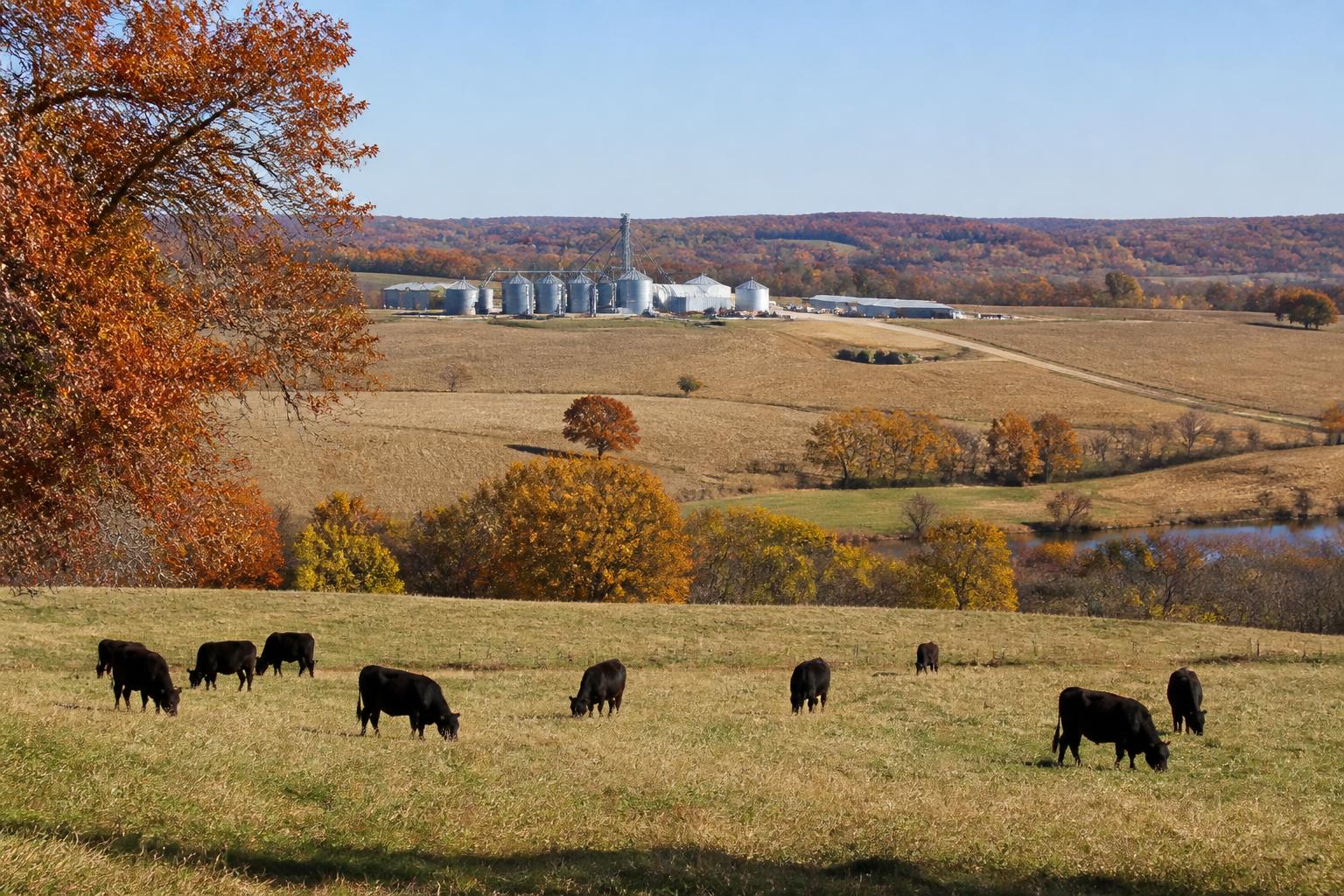
As the fall harvest season continues to progress across Missouri, the agricultural sector is balancing immediate logistical demands with broader institutional developments. With significant federal program payments reaching producers, many operations are evaluating their current liquidity as they navigate seasonal input purchasing and year-end planning.
These financial inflows arrive at a critical time when localized logistical challenges often influence how effectively grain moves from the field to storage or local elevators. Producers continue to monitor infrastructure developments, particularly as regional cooperatives maintain their footprint among the top performing agricultural entities in the state.
Investing in Long-term Agricultural Resilience
Beyond current market cycles, there is a clear push to strengthen the state's research infrastructure. Recent upgrades to facilities at the University of Missouri are aimed at providing better data and resources for farmers dealing with evolving environmental conditions. These enhancements are designed to benefit the broader agricultural ecosystem, from livestock management to row crop optimization.
In many regions of the state, such investments are viewed as vital to maintaining Missouri's competitive edge. Whether it involves refining crop protection strategies or optimizing harvest-time logistics, the focus remains on leveraging technology and state-supported research to mitigate risks associated with unpredictable weather and global market volatility.
What it means for the market
For agribusinesses and producers, the combination of incoming federal support and localized facility upgrades signals a period of strategic adjustment. While high-level market fluctuations—such as those linked to international trade policy—remain outside the immediate control of the individual farmer, the localized focus on improved research and reliable infrastructure provides a foundation for better margin management. Monitoring these developments will be essential for those looking to optimize their operation's efficiency as we move toward the final stages of the harvest season.
Comments
No comments yet - be the first to share your take.