
As we move through the heart of the fall season, Washington growers and exporters are keeping a close watch on the shifting logistics landscape. The intersection of international trade volatility and regional infrastructure needs continues to present unique hurdles for the Pacific Northwest agricultural sector. For farmers in the Columbia Basin and beyond, these external pressures often translate into real-world challenges for transporting bulk commodities and specialty crops to global markets.
Port Pressures and Trade Uncertainties
The stability of our export corridors, particularly those in Southwest Washington, remains a primary concern for local stakeholders. Recent reports indicate that evolving tariff structures are complicating the typical flow of goods through our state's port terminals. For those managing grain elevators or coordinating freight, these developments may signal a period of continued caution regarding shipping timelines and contractual obligations. Understanding how Washington growers navigate complex logistics and shifting trade winds is essential for anticipating potential bottlenecks before they affect the bottom line.
Infrastructure and Operational Resilience
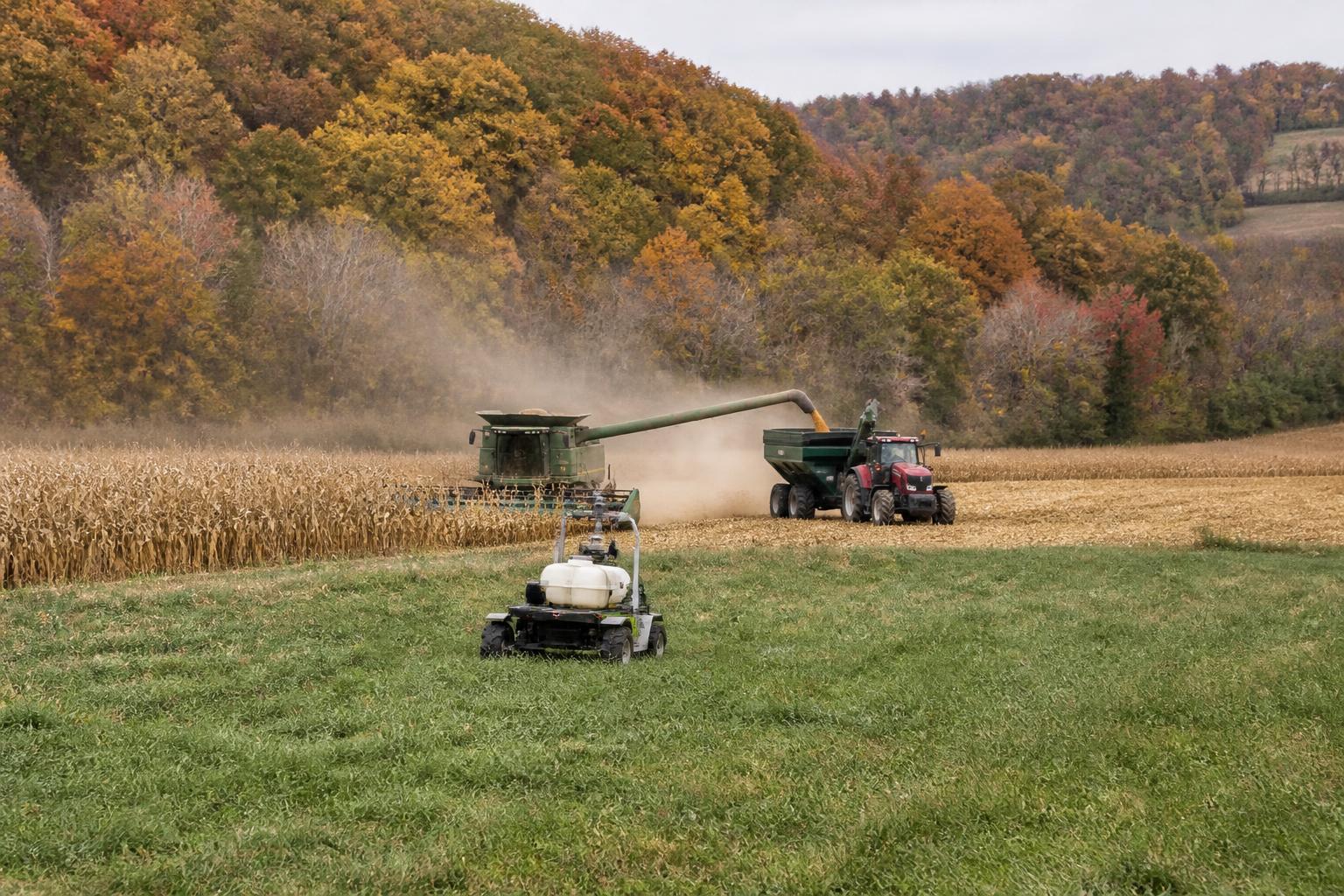
Beyond the docks, the local agricultural industry remains focused on balancing immediate logistical requirements with long-term technological adoption. While many producers are exploring new ways to boost efficiency, such as integrating agricultural robotics, the fundamental need for reliable transportation infrastructure remains unchanged. The Washington ag sector balances infrastructure needs and innovation hurdles as it seeks to maintain its competitive edge in both domestic and international arenas during this busy harvest period.
Key Takeaways
- Monitor ongoing port activity in Southwest Washington for potential delays in outgoing cargo.
- Evaluate existing contracts in light of current international trade and tariff fluctuations.
- Prioritize communication with logistics partners to mitigate potential supply chain disruptions.
What it means for the market: For Washington agribusinesses, the current environment demands a proactive approach to supply chain management. By staying informed on trade policy developments and maintaining flexible logistics strategies, producers can better position themselves to mitigate the risks associated with global market volatility this fall.
Comments
No comments yet - be the first to share your take.