
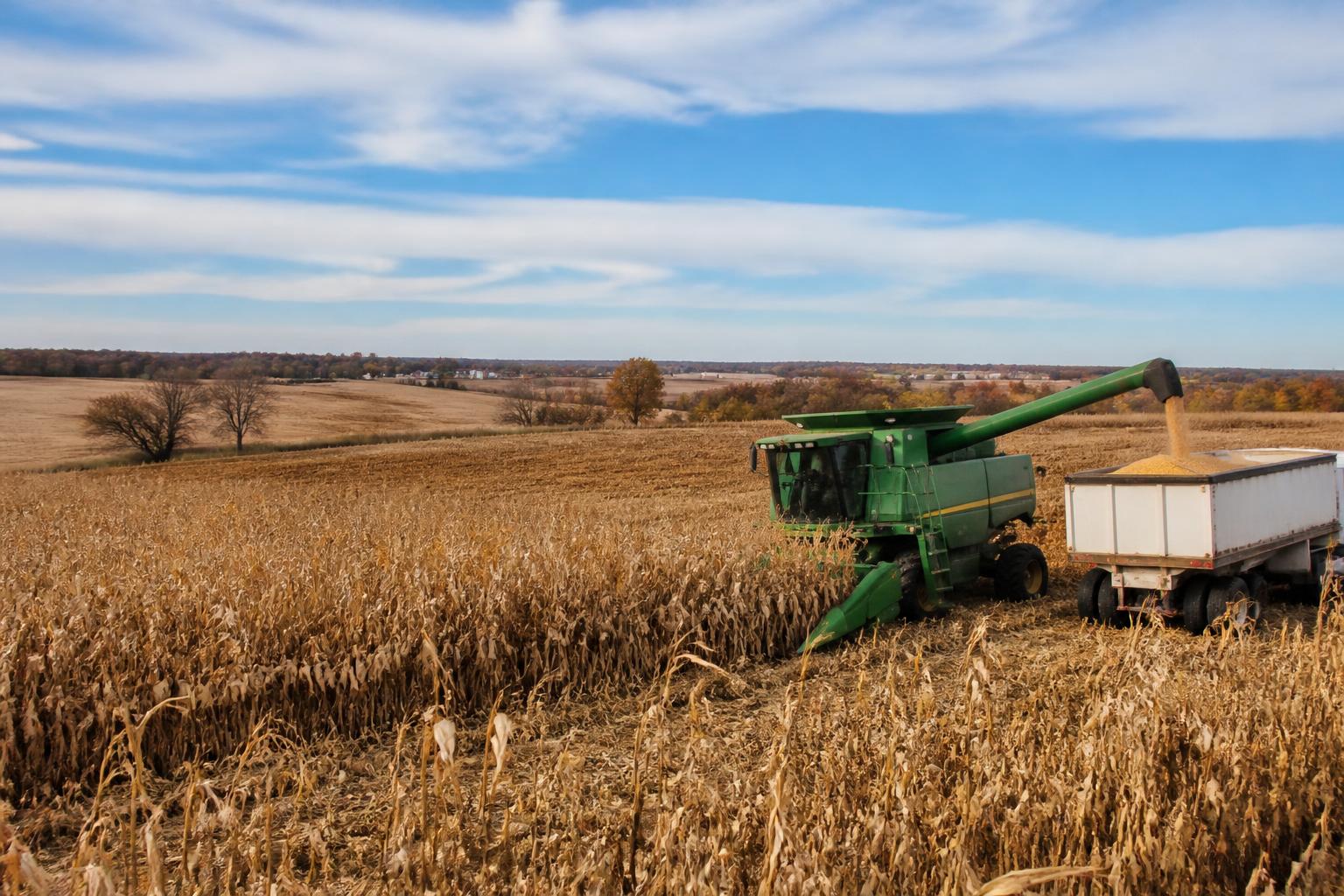
As the final stages of the harvest season move across North Dakota, agricultural producers are shifting their attention from immediate logistics to evaluating the effectiveness of their crop protection programs. With the fall season providing a necessary window for soil management, growers across the state are assessing how current tools and application strategies have performed against this year's specific environmental pressures.
Refining these programs is not just about yield stability; it is increasingly about long-term land stewardship. As noted in navigating changing regulatory and crop protection realities in North Dakota, staying ahead of evolving standards requires a proactive approach to input management. Producers are weighing the value of current protection tools against both economic shifts and the need to maintain, or even improve, soil water management, which remains a high-priority challenge in many regional pockets of the state.
Adapting to Evolving Input Needs
The conversation around crop protection continues to mature, with farmers and the public increasingly recognizing these tools as vital components of a resilient agricultural system. For the North Dakota operator, this means that investment decisions must be data-driven. Whether adjusting application timing or selecting specialized chemistries, managing these inputs with precision helps mitigate the risks of market volatility as described in managing North Dakota crop protection and market volatility this fall. The goal remains consistent: maximizing the ROI on every acre while ensuring that inputs are applied in a way that respects local water tables and drainage infrastructure.
Building for the Future
Beyond the current harvest cycle, the broader U.S. agricultural market is seeing a push toward enhanced precision and sustainable output. As we analyze the North Dakota agricultural sector and its evolving landscape, it is clear that integrating new management technologies is becoming a prerequisite for competitive operations. Maintaining a keen eye on global export trends can also help producers align their planting and protection strategies with the varieties that emerging markets are demanding.
What it means for the market
For grain handlers and agribusinesses, this transitional period presents an opportunity to engage with growers on their future input procurement. Expect a heightened emphasis on integrated pest management and water-conscious farming practices throughout the winter months. As harvest equipment is cleaned and stored, those who document their field performance data now will be better positioned to optimize their protection costs for the next planting season.
Comments
No comments yet - be the first to share your take.