
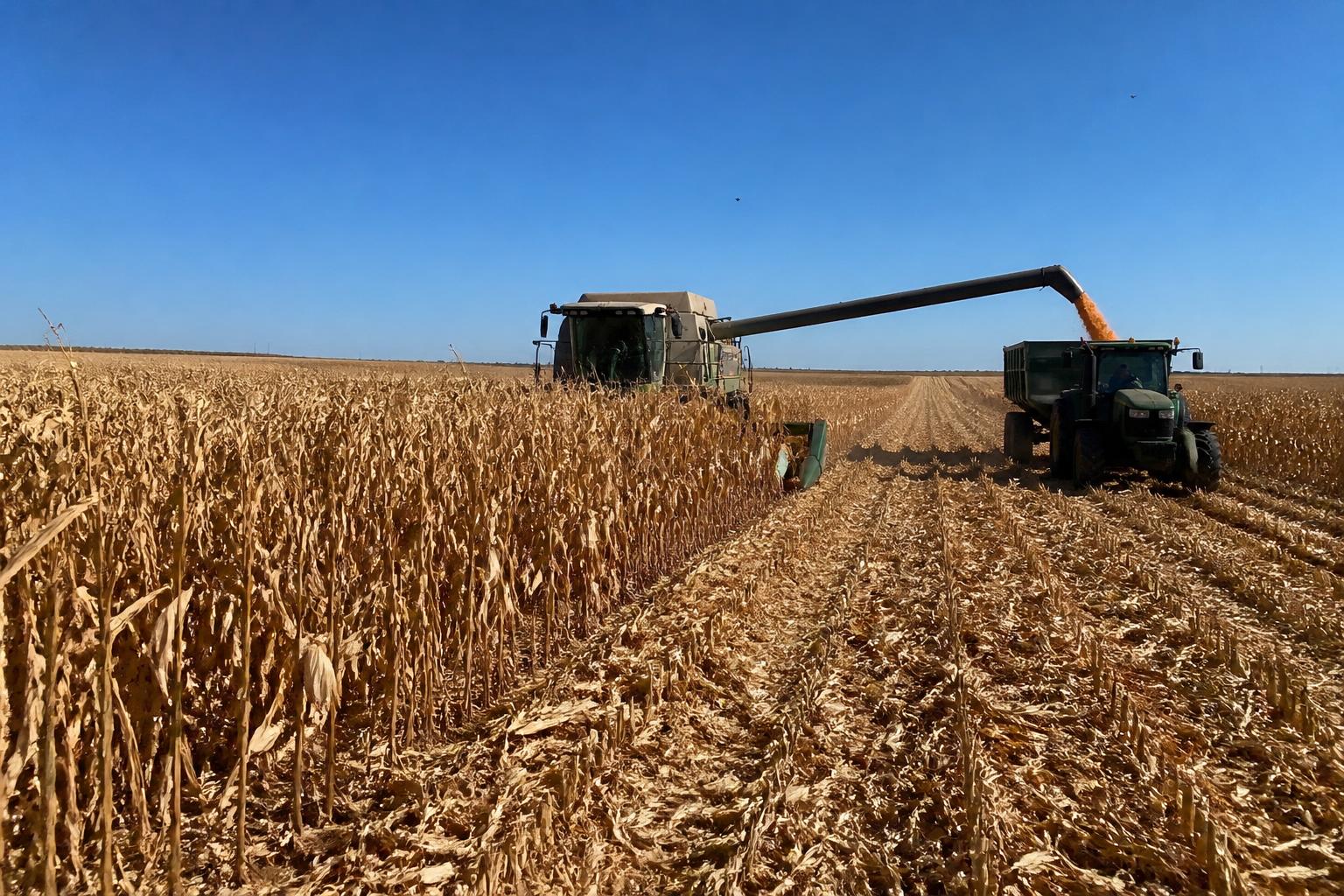
As the fall season progresses, California producers continue to face a complex intersection of regulatory demands and structural adjustments. From shifts in crop protection protocols to evolving management structures on historic operations, the state's agricultural landscape is navigating a period of significant transition.
Producers are closely monitoring how recent crop protection integrity and compliance standards influence field management decisions. New oversight regarding the application of neonicotinoids and broader sustainability requirements, such as the contentious plastics legislation currently sparking litigation, remain central concerns for many growers trying to balance operational costs with environmental stewardship.
Expanding Logistics and Infrastructure Efforts
Logistical infrastructure continues to evolve as developers move deeper into California’s agricultural hubs, specifically within the Central Valley. These shifts are intended to optimize supply chains, yet they also place pressure on local growers to integrate with more centralized transport networks. Meanwhile, port initiatives in coastal regions are attempting to bolster export capacity, signaling a push to support agribusiness throughput despite ongoing labor and operational hurdles.
Shifting Management and Market Outlook
Market observers are also noting structural changes, such as the transition in management at long-standing entities like Bagdasarian Farms. These shifts reflect a broader trend of consolidation and professionalization across the state's diverse commodity sectors. Farmers are also keeping a wary eye on operational shifts in the grain market, where infrastructure bottlenecks often dictate the pace of movement during the busy harvest months.
What it means for the market
For the average producer or agribusiness operator, the current environment necessitates a dual focus: maintaining strict adherence to tightening environmental regulations while leveraging new logistics developments to improve market access. As we head toward the end of the year, staying informed on both policy challenges and regional supply chain improvements will be essential for maintaining margins in an increasingly scrutinized production climate.
Comments
No comments yet - be the first to share your take.