
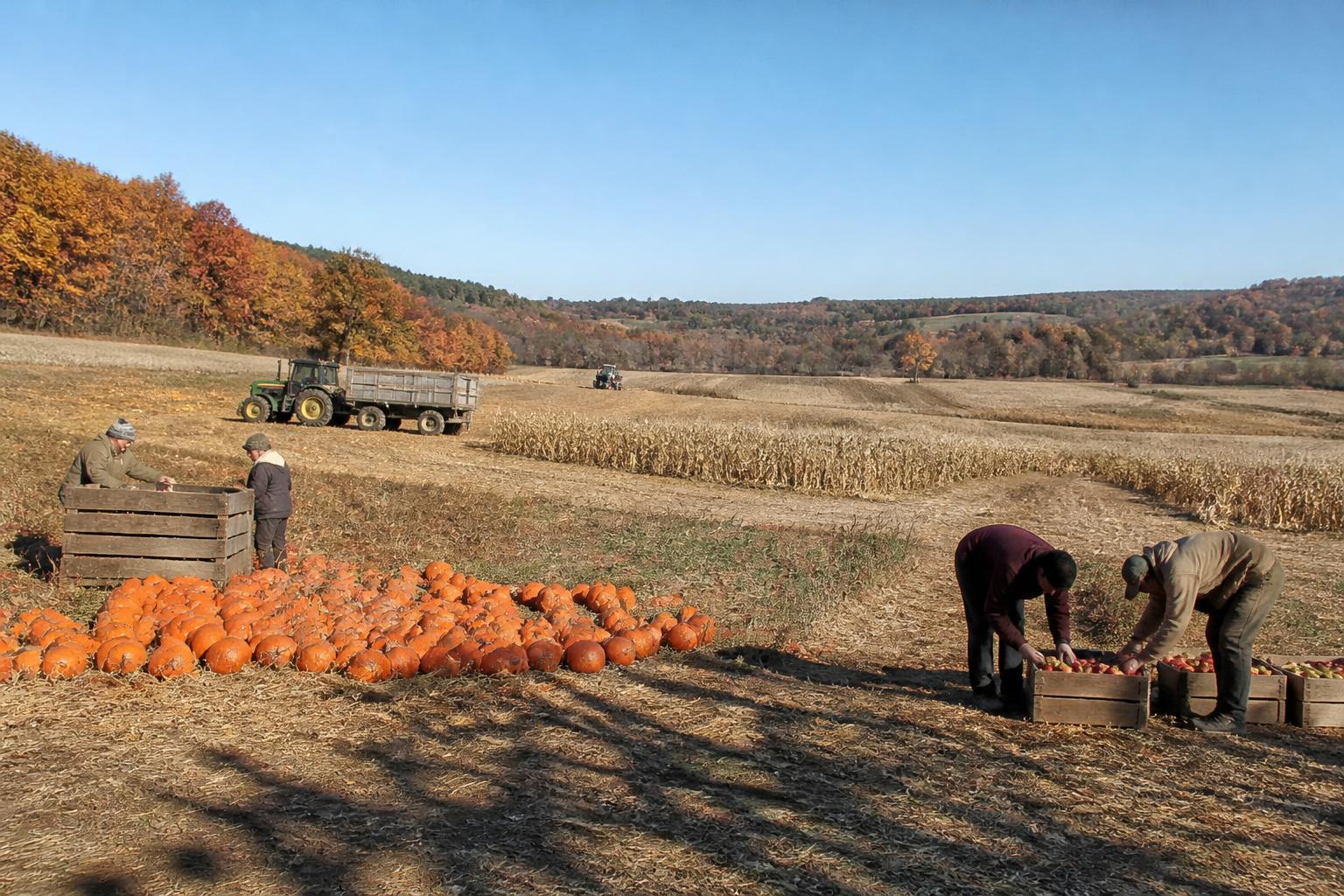
As Washington enters the peak of its fall harvest season, producers across the state are once again grappling with the intricate logistics of moving seasonal yield to market. Efficient transportation remains the backbone of the state's diverse agricultural economy, and this year, growers are keeping a close watch on regional freight corridors. From the orchards in Central Washington to the grain-heavy regions of the Palouse, timing is everything as the window for efficient rail and road transport narrows.
Navigating Regional Freight Constraints
Managing the movement of commodities requires constant adjustments as global trade patterns shift. For many Washington growers, maintaining a lean and responsive supply chain is a top priority, especially when logistical challenges continue to influence bottom-line margins. Whether it is sourcing reliable trucking capacity for short hauls to local elevators or managing the complexities of long-distance outbound freight, the ability to pivot is essential.
Infrastructure remains a persistent point of conversation among local stakeholders. While innovation continues to play a larger role in orchard and field management, the physical reality of highway weight limits and seasonal bridge restrictions often dictates the pace of harvest. Growers in some of the more rural counties may find themselves balancing these infrastructure limitations with the urgent need to keep grain and fresh produce moving before the onset of more challenging winter weather.
Adapting to Input Market Volatility
Beyond the logistical movement of goods, the broader economic landscape remains complex. Producers are regularly weighing the costs of inputs against fluctuating commodity prices. As the industry balances critical infrastructure needs with new technology, the focus shifts toward maintaining resilience against supply chain disruptions. Staying informed on regional freight availability and cost trends is a vital component of protecting harvest returns this time of year.
What it means for the market
For farmers and handlers, the current environment demands a proactive approach to logistics planning. Success this fall likely hinges on clear communication with transport partners and a readiness to manage potential delays in the supply chain. By prioritizing flexible scheduling and keeping a close eye on regional freight updates, agribusinesses can better shield themselves from the volatility that often characterizes this stage of the agricultural season.
Comments
No comments yet - be the first to share your take.