
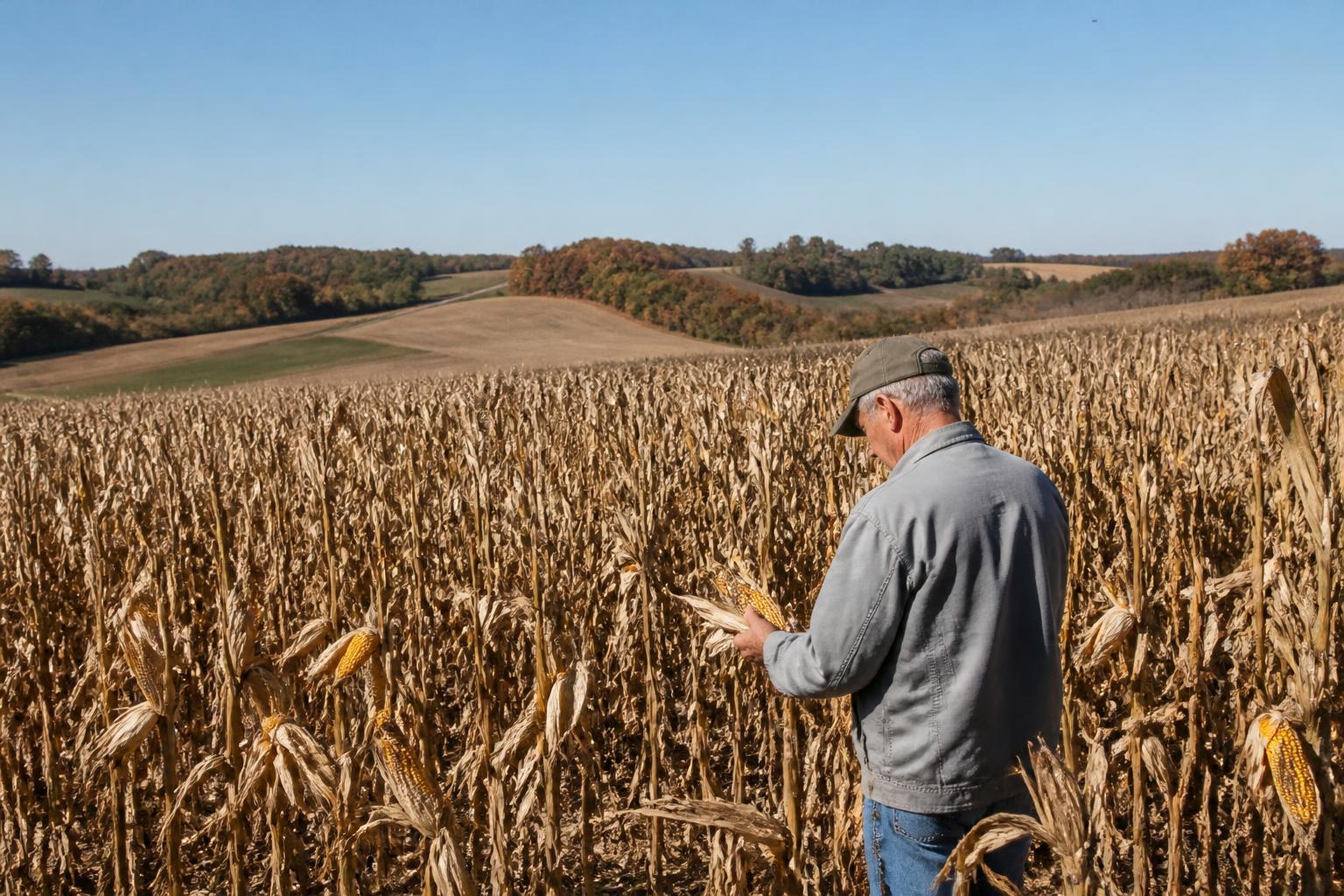
As the fall season progresses, Ohio farmers are balancing the immediate demands of harvest with long-term strategic decisions. The intersection of local infrastructure development, such as new terminal capabilities along the Ohio River, and the ongoing pressure on production costs remains a primary focus for many agribusinesses. Managing these logistical variables is essential for maintaining operational efficiency during this high-stakes window.
Input cost management, particularly regarding fuel and energy, continues to be a central topic for rural communities. While legislative measures have provided temporary relief, industry stakeholders often emphasize the need for sustainable, long-term solutions to address price volatility. Proactive financial planning and monitoring market fluctuations are critical tools for producers looking to secure their bottom line amidst shifting economic indicators.
Preserving Farmland Amidst Regional Development
In addition to market logistics, the protection of Ohio's prime farmland has emerged as a significant legislative and policy priority. With increased activity surrounding data center development in rural corridors, local organizations and state bureaus are actively implementing policies aimed at ensuring that land-use permitting processes prioritize agricultural sustainability and the protection of water resources. For those interested in deeper insights, understanding how these broader protection strategies interact with market volatility is vital for long-term land stewardship.
Logistics and Resource Access
The efficiency of the supply chain remains a cornerstone of successful harvest management. Recent infrastructure investments, including new terminal operations along the Ohio River, offer potential for improved fertilizer access, which may help mitigate some of the regional supply bottlenecks. However, producers are encouraged to keep a close eye on their grain storage logistics as market conditions evolve throughout the autumn months. Monitoring these local developments helps in making informed decisions about crop movement and storage utilization.
Key Takeaways
- Policy advocacy is focusing on balancing rural economic growth with the preservation of essential agricultural land.
- New river infrastructure may improve seasonal fertilizer logistics, easing some access challenges for regional producers.
- Proactive engagement with policy updates can help farmers navigate the impact of non-agricultural development on local energy and land costs.
What it means for the market: For Ohio producers and agribusinesses, the current environment demands a dual focus on tactical efficiency and strategic advocacy. As you work through the remainder of the harvest, staying informed on both local logistical upgrades and the broader policy shifts regarding farmland protection will be instrumental in positioning your operation to manage risk effectively into the next season.
Comments
No comments yet - be the first to share your take.