
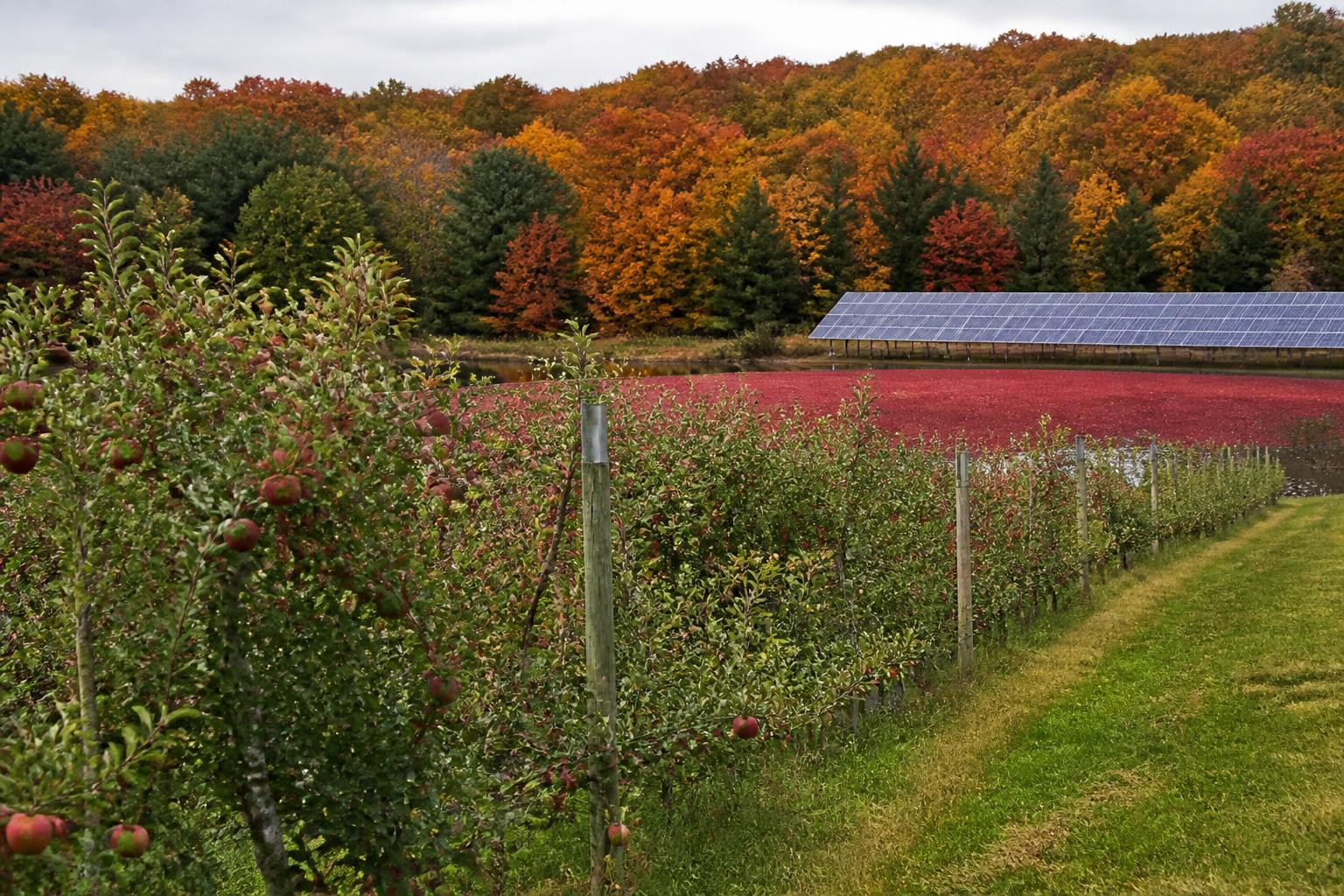
As the curtain closes on October, Massachusetts producers are shifting their focus from intensive harvest operations to critical end-of-season infrastructure management. This period often demands a careful balancing act between immediate storage requirements and long-term farm sustainability goals. Growers across the state, from the cranberry bogs to orchard-heavy regions, are currently prioritizing the efficiency of their utility equipment and storage facilities to secure a strong finish to the season.
Successfully managing this transition requires a granular look at logistics, especially as farms look to integrate modern energy solutions or optimize existing storage setups. For many, this includes refining storage and logistics workflows to handle late-season yields while mitigating potential losses from seasonal moisture or temperature fluctuations.
Infrastructure and Resource Innovation
Adaptability remains a hallmark of regional agriculture. Recent efforts by local growers highlight the growing interest in circular resource management, such as converting high-volume organic waste and manure into localized energy streams. Such initiatives demonstrate how, even in constrained environments, diversifying farm utility can provide a buffer against rising input costs and overheads. As highlighted in our broader review of regulatory and logistics challenges, proactive planning remains essential for maintaining operations through the winter months.
Optimizing Equipment for Next Season
Beyond current storage needs, the end of the harvest window is a prime opportunity for producers to evaluate equipment performance. Recent advancements in strip-till technology and more robust, comfort-focused utility vehicles are gaining traction among those looking to improve soil health and labor efficiency for the upcoming year. Whether adjusting moisture levels for grain storage or conducting preventative maintenance on fleet vehicles, taking inventory of these needs now can significantly reduce potential downtime in the spring.
Key Takeaways
- Prioritize end-of-season maintenance on storage systems to ensure moisture control.
- Evaluate existing waste-to-energy or land-use strategies for potential long-term profitability.
- Review equipment performance to identify upgrade needs in tillage and utility vehicles before next year.
What it means for the market: The Massachusetts agricultural landscape is increasingly defined by its ability to leverage technology and sustainable infrastructure. For growers, this means that market success is tied not just to yield, but to the operational efficiency achieved through smarter resource management and equipment investment. As the state moves into the colder months, the focus on moisture and storage management will be the primary driver of product quality and market competitiveness.
Comments
No comments yet - be the first to share your take.