
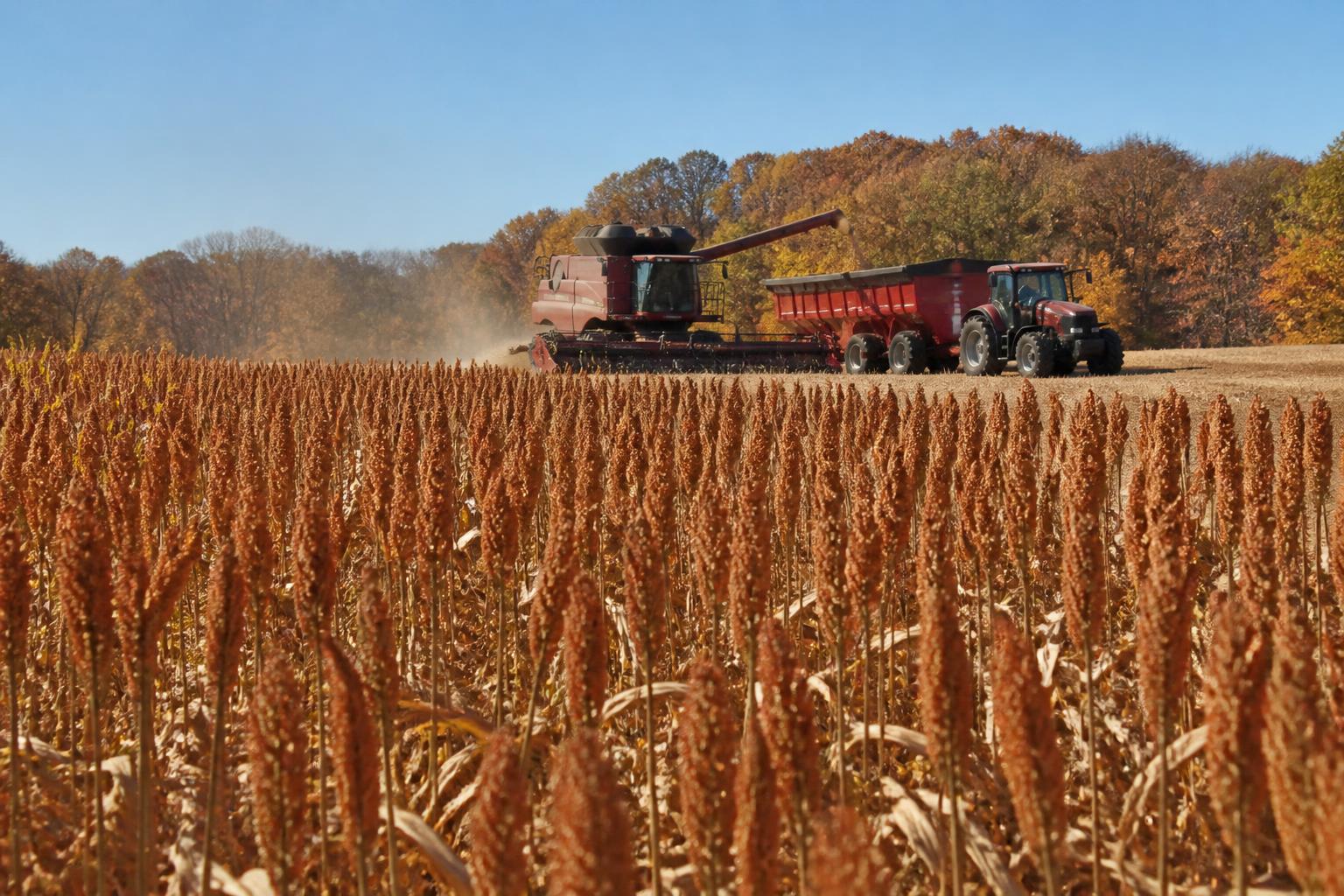
As the fall season reaches its final stretch across Washington, agricultural producers are increasingly focused on the logistical hurdles that accompany the movement of crops to market. From the orchards of Central Washington to the grain elevators serving the wheat-producing regions, managing tight margins remains a top priority for growers and handlers alike.
Producers are monitoring the interplay between global fuel supply chains and local availability, noting that disruptions can often create ripples in regional diesel pricing. These market variables, when paired with the typical seasonal demand for transport, require careful planning for those looking to optimize their supply chain resilience during the peak of the movement season.
Navigating Rail and Transport Reliability
In addition to fuel concerns, the consistency of Class I rail service remains a central point of discussion for grain handlers and regional agribusinesses. Fluctuations in service metrics can lead to unexpected delays in transit times, particularly when moving bulk commodities toward port facilities. Staying informed on trade-related logistics shifts is helping some producers adjust their storage and shipping schedules to mitigate the impact of these performance inconsistencies.
Planning for Future Input Needs
As field work winds down, many operators are turning their attention toward input planning for the coming year. Whether assessing the latest advancements in agricultural robotics or evaluating the regulatory environment regarding crop protection products, the focus is increasingly on long-term efficiency. Given that labor and operational costs have been significant factors for many growers recently, maintaining a lean and reactive logistical strategy may serve as a vital hedge against future volatility.
What it means for the market
For the Washington agricultural sector, the current environment underscores the need for proactive logistics management. By accounting for potential fuel price impacts and variability in rail transport, growers and agribusinesses can better shield their bottom lines from external shocks, ensuring that the fruits of their fall harvest reach their destination as efficiently as possible.
Comments
No comments yet - be the first to share your take.