
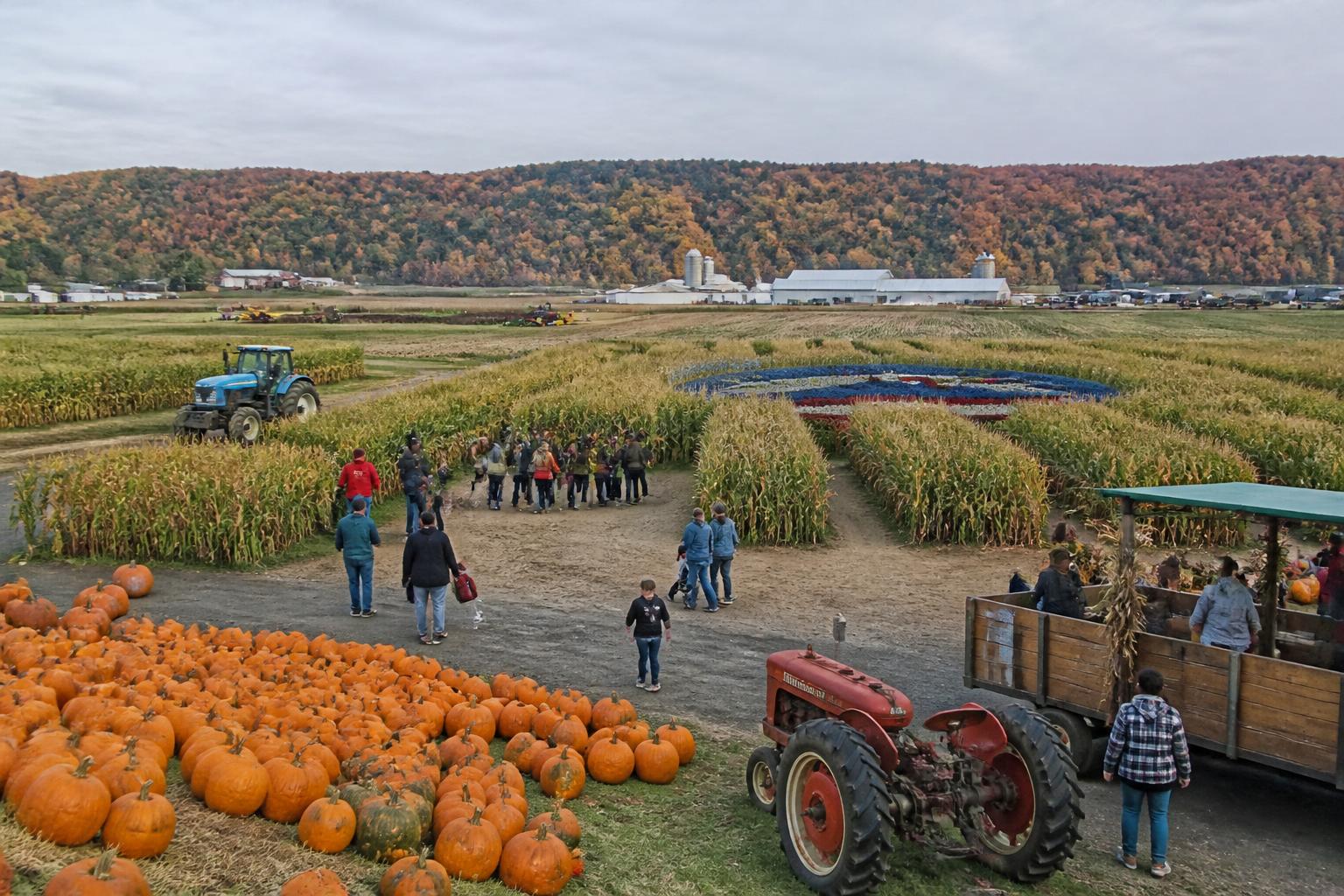
The arrival of late October brings critical operational focus to New York farms as harvest activities hit their stride. From the fertile fields of Western New York to the rolling landscapes of the Finger Lakes and the Hudson Valley, farmers are balancing the seasonal rush with ongoing logistical considerations. Ensuring that equipment is fully operational and that transport routes are optimized remains a top priority for those managing tight harvest windows.
As producers navigate these seasonal shifts, many are also looking toward broader supply chain resilience. Managing input management effectively during the busy fall period is essential for maintaining margins. Whether dealing with grain hauling or preparing machinery for winter, the ability to pivot and adapt to localized logistical fluctuations can make a significant difference in year-end outcomes.
Technology and Infrastructure in Focus
Beyond the immediate field work, the integration of new tools continues to shape the state's agricultural landscape. Investments in rail infrastructure are increasingly viewed as vital components for improving the long-term flow of goods. These enhancements may provide necessary relief to road-based transport, particularly as growers look to streamline their connections to regional and interstate markets.
Additionally, the ongoing push for operational efficiency remains central to navigating volatile fuel and energy costs. Staying informed on infrastructure developments and local logistics constraints can help agribusinesses mitigate the impact of sudden market shifts or supply chain bottlenecks common in the Northeast during the autumn months.
What it means for the market
For New York producers and grain handlers, the current environment demands a proactive approach to logistics. As the season progresses, focusing on reliable transport partnerships and maintaining a pulse on regional infrastructure updates will be key to managing costs and ensuring timely product delivery. While uncertainty often characterizes global and domestic supply chains, prioritizing local operational agility remains the most effective strategy for regional stakeholders to thrive.
Comments
No comments yet - be the first to share your take.