
Enhancing Regional Freight Connectivity
New York's agricultural sector is seeing a renewed focus on logistics infrastructure, highlighted by a recent $11.2 million federal rail grant awarded to a state short line carrier. For growers and agribusinesses across the state, such investments are vital for ensuring that bulk commodities can move efficiently from rural hubs toward regional processing centers or export terminals.
Reliable freight corridors are essential for maintaining competitive supply chain resilience, especially as regional operations look to optimize input delivery and outbound shipments. Improved rail access can often alleviate pressure on the state's highway network, providing a more predictable alternative to trucking during peak seasonal windows when road congestion and weight restrictions may complicate transport.
The Broader Logistics Landscape
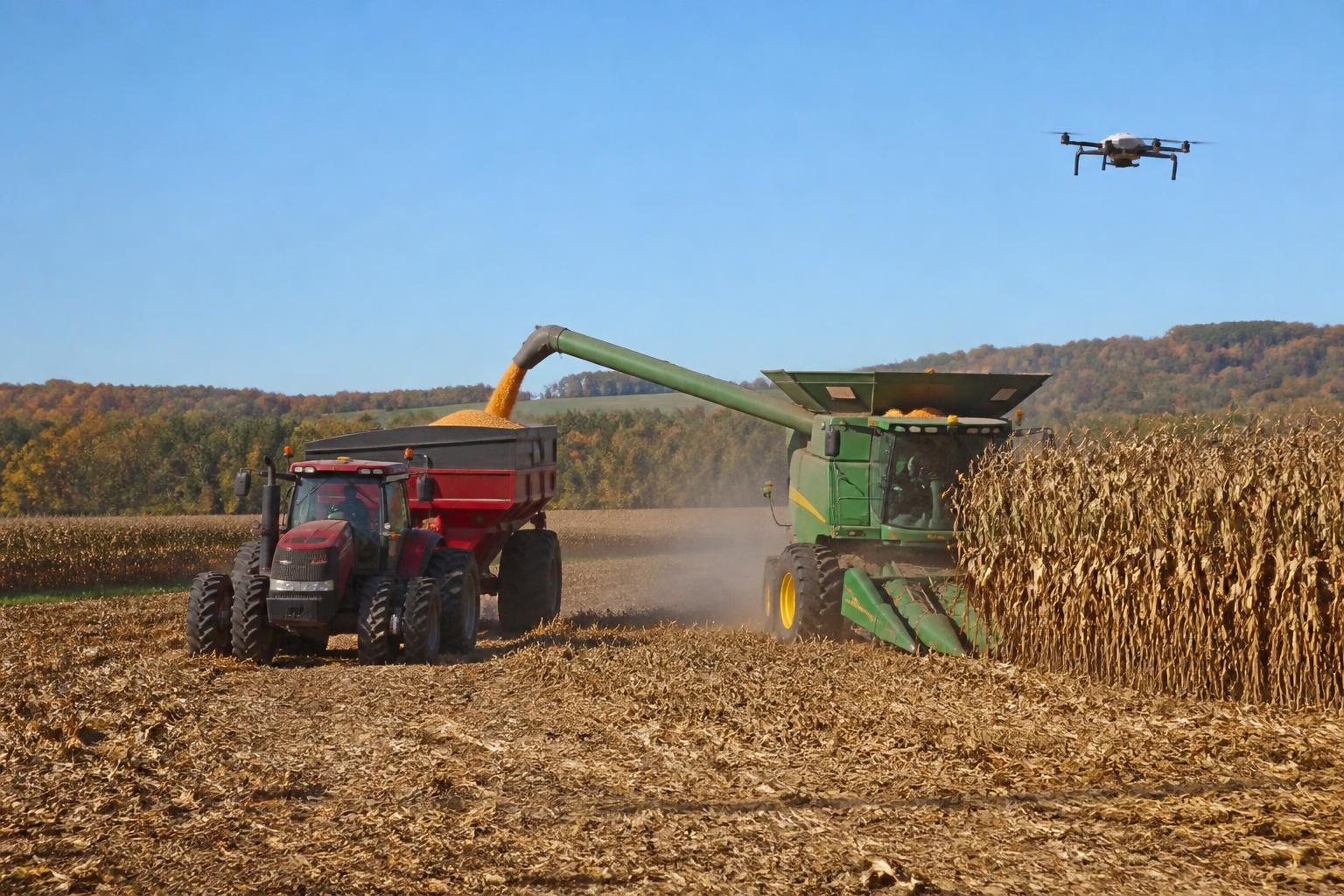
While rail remains a critical component of regional bulk transport, the overall logistical framework for New York agriculture continues to be influenced by fluctuating fuel costs and the evolving needs of harvest-time distribution. As operators plan for the remainder of the season, maintaining a diverse approach to shipping is often necessary to hedge against localized disruptions. For many handlers, integrating modern logistics solutions with traditional rail and road methods remains the most effective strategy to manage operational flux.
Furthermore, staying ahead of potential transport hurdles requires consistent monitoring of regional infrastructure developments. Whether managing grain movement or coordinating large-scale input deliveries, proactive logistics planning can help businesses navigate the complexities of New York's unique geography, where varying terrain and seasonal weather patterns frequently dictate the pace of movement for agricultural goods.
What it means for the market
The infusion of federal capital into short line infrastructure signals a long-term commitment to shoring up the state's transport backbone. For farmers and agribusinesses, this likely translates into more stable, long-term options for bulk distribution, potentially reducing dependency on road-heavy transport. While these projects are often multi-year endeavors, the current focus on strengthening rail capacity is a positive indicator for anyone navigating the fall operational pressures that define the New York agricultural calendar.
Comments
No comments yet - be the first to share your take.