
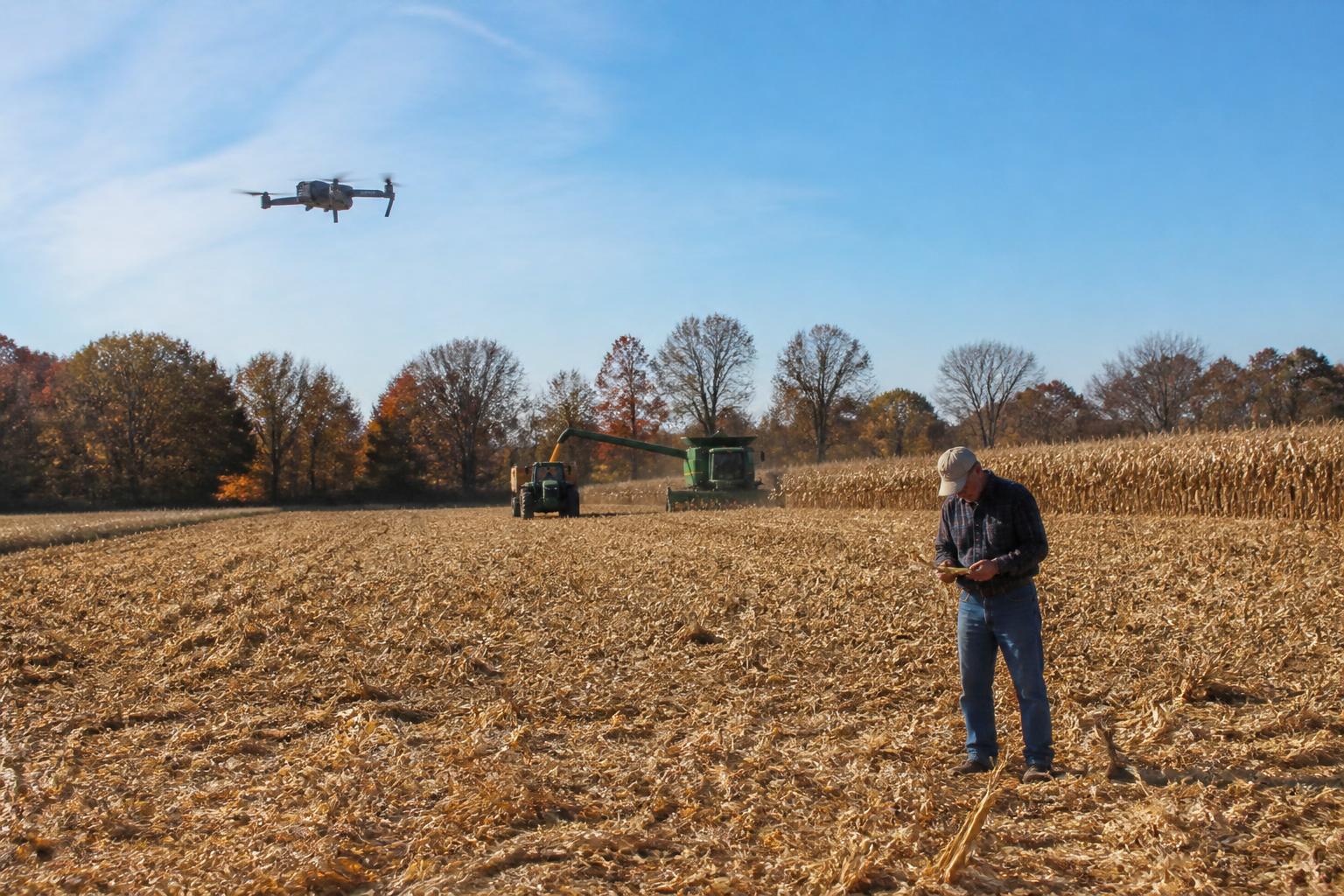
With the fall harvest across Ohio nearing its final stages, the focus for many producers is shifting from active field operations to securing grain storage and ensuring financial stability. As farmers manage their remaining yield, the importance of maintaining oversight of local grain handling facilities has come to the forefront. Recent regulatory actions involving regional grain dealers underscore the need for producers to stay informed about the financial health and licensing status of the facilities they rely on for storage and marketing.
Prioritizing Grain Integrity and Partner Oversight
For grain handlers and farmers alike, the volatility in current market conditions requires heightened vigilance regarding monitoring yields and demand. When moving grain through the supply chain, verifying the operational standing of elevators is a critical risk management step. It is often recommended that producers maintain clear documentation of scale tickets and settlement sheets, providing a layer of protection should a facility face unexpected regulatory or financial hurdles.
Economic Pressures and Farm Management
Beyond logistics, Ohio producers continue to navigate a landscape defined by significant cost pressures. While some technological advancements in AI and drone monitoring may provide avenues to lower crop input expenses, the broader economic environment remains challenging. Farmers are increasingly focused on balancing the need for proactive input planning with the reality of compressed margins. These efforts are often supported by a data-driven approach to field management, which has become common practice for those looking to optimize fertilizer usage and soil health in the post-harvest window.
What it means for the market
The conclusion of the harvest is not just a seasonal milestone but a time for producers to audit their supply chain partners and solidify their financial positioning. By prioritizing transparency with grain buyers and carefully managing input budgets for the upcoming cycle, Ohio agribusinesses can better navigate the current climate. As you finalize your 2026 operations, ensure that your partnerships with grain elevators are verified, and keep a close watch on regional logistics and diesel cost trends that continue to influence profitability across the state.
Comments
No comments yet - be the first to share your take.