
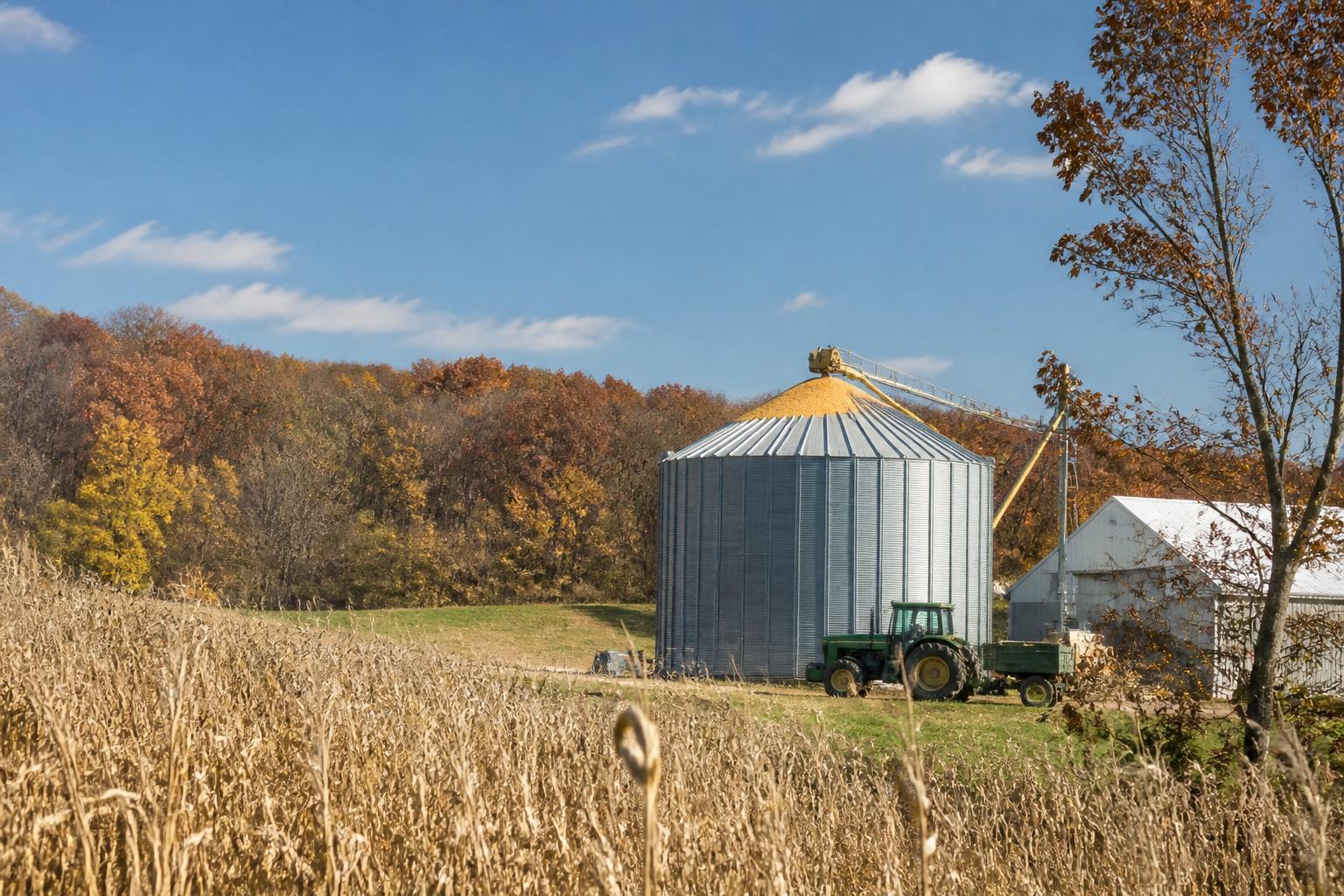
With the majority of the corn and soybean harvest now moving from the field into bins, Minnesota producers are turning their attention to the next phase of the marketing season. Successfully securing crop quality in storage is the current priority for many as the focus shifts from field logistics to long-term inventory management. Evaluating harvest yields and storage capacity remains a critical component for those managing their bottom lines during this transition period.
Navigating Post-Harvest Infrastructure
As grain enters the storage phase, the emphasis for agribusinesses often shifts toward managing regional transit flows. Throughout Minnesota, elevators and rail terminals are adjusting to the post-harvest rhythm. Ensuring that on-farm storage facilities remain dry and properly aerated is vital, as moisture management continues to influence the viability of stored commodities. For those looking at balancing harvest flow with existing infrastructure constraints, the next few months will be defined by how efficiently grain can be moved to processing or export destinations as weather patterns change.
Market Outlook and Policy Awareness
Recent reports suggest that producers are also closely monitoring broader trends in the biofuels sector, as potential shifts in clean energy demand may influence future market opportunities for U.S. crops. While market volatility remains a common hurdle, staying informed on current farm programs and policy discussions is essential for those planning their 2027 operations. As regional ratings for corn and soybeans have remained relatively stable, the focus remains on navigating market sentiment with a careful eye on both domestic storage costs and international trade outlooks.
What it means for the market
For the Minnesota farmer, the current window is an opportune time to finalize storage strategies and analyze input cost efficiency. With harvest mostly complete, logistical bottlenecks have eased, but regional demand and biofuel production capacity remain the primary levers for potential price movement as we head toward the winter months.
Comments
No comments yet - be the first to share your take.