
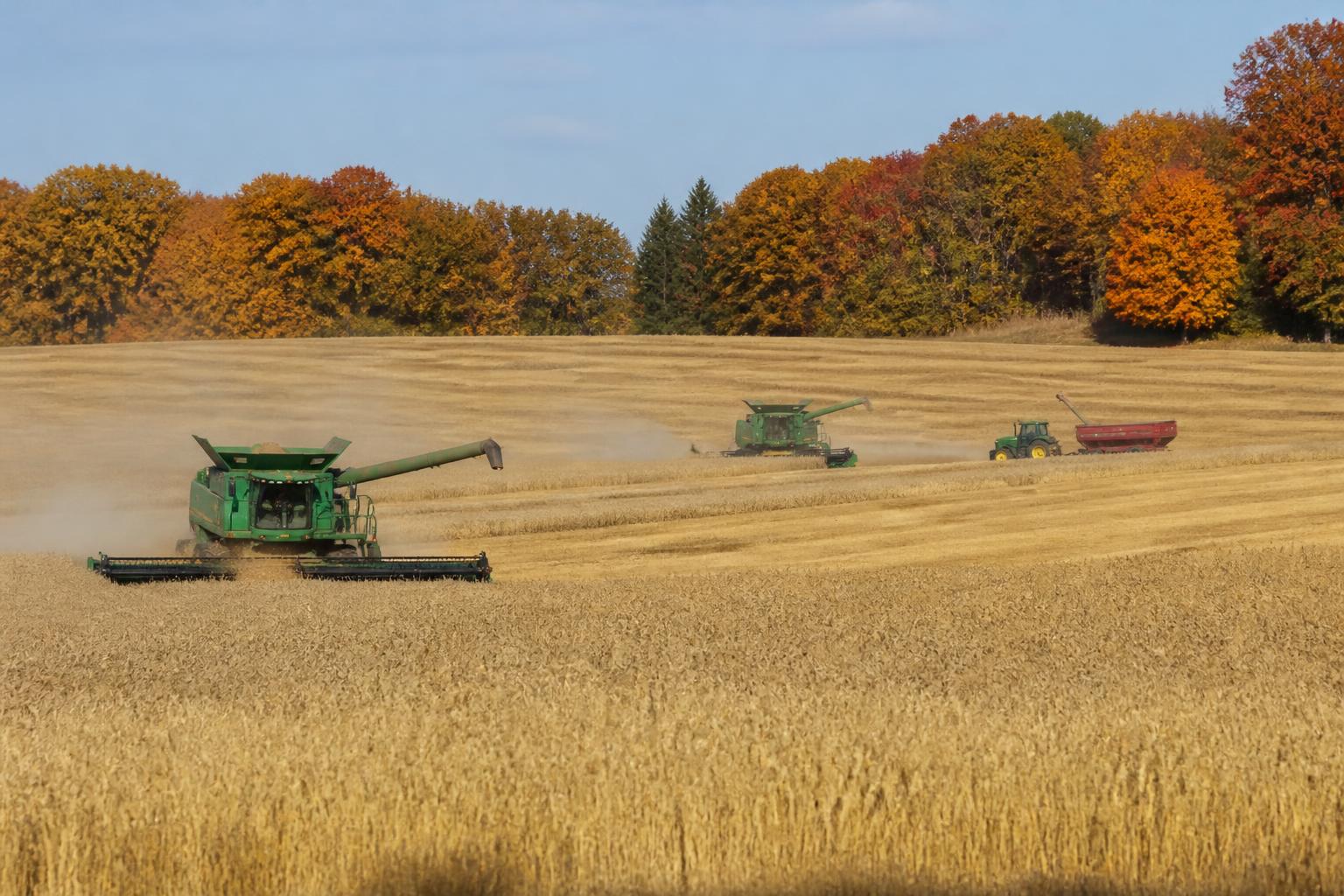
As the fall harvest season enters its final stages across Arizona, the local agricultural sector is turning its attention to the interplay between regional logistics and broader market fluctuations. For producers in major agricultural hubs like Pinal and Yuma counties, the current period often involves balancing the final movement of late-season crops with preparation for winter maintenance and input procurement. Managing these flows efficiently remains a priority as the state's transport networks adjust to seasonal shifts in demand.
Understanding these logistical pressures is crucial for maintaining margins. Many operators are currently navigating optimized grain movement strategies to ensure that storage facilities and regional elevators remain fluid. Effective coordination between on-farm storage and downstream transit nodes often dictates the speed at which local commodities can reach their intended markets, especially as capacity demands change throughout the autumn months.
Input Market Considerations
Beyond current harvest logistics, growers are keeping a close watch on the long-term outlook for essential agricultural inputs. Recent market data points to a steady evolution in the global demand for mineral fertilizers and specialized crop nutrition products. For Arizona agribusinesses, this trend highlights the importance of proactive procurement strategies. Farmers who are able to secure early access to fertilizer stocks may find themselves better positioned against potential supply chain volatility or pricing surges that often characterize global commodity markets.
Technology and Infrastructure
The role of innovation in managing rural logistics continues to expand. From leveraging field-level data to improving regional distribution, the application of new technology remains a significant focus for those looking to maximize efficiency. As we look ahead to the next growing cycle, integrating these tools into standard operations can help producers mitigate the risks associated with infrastructure bottlenecks and unpredictable transit timelines, similar to how stakeholders approach emerging drone-based logistics solutions for monitoring crop health and land use.
What it means for the market
For the Arizona producer, the current market climate underscores the necessity of a dual-track strategy: finalizing efficient transport for current harvest volumes while simultaneously locking in input needs for the coming months. As seasonal volatility persists, maintaining agility in logistics and staying informed on shifting procurement costs will be key to weathering the transition into the winter season.
Comments
No comments yet - be the first to share your take.