
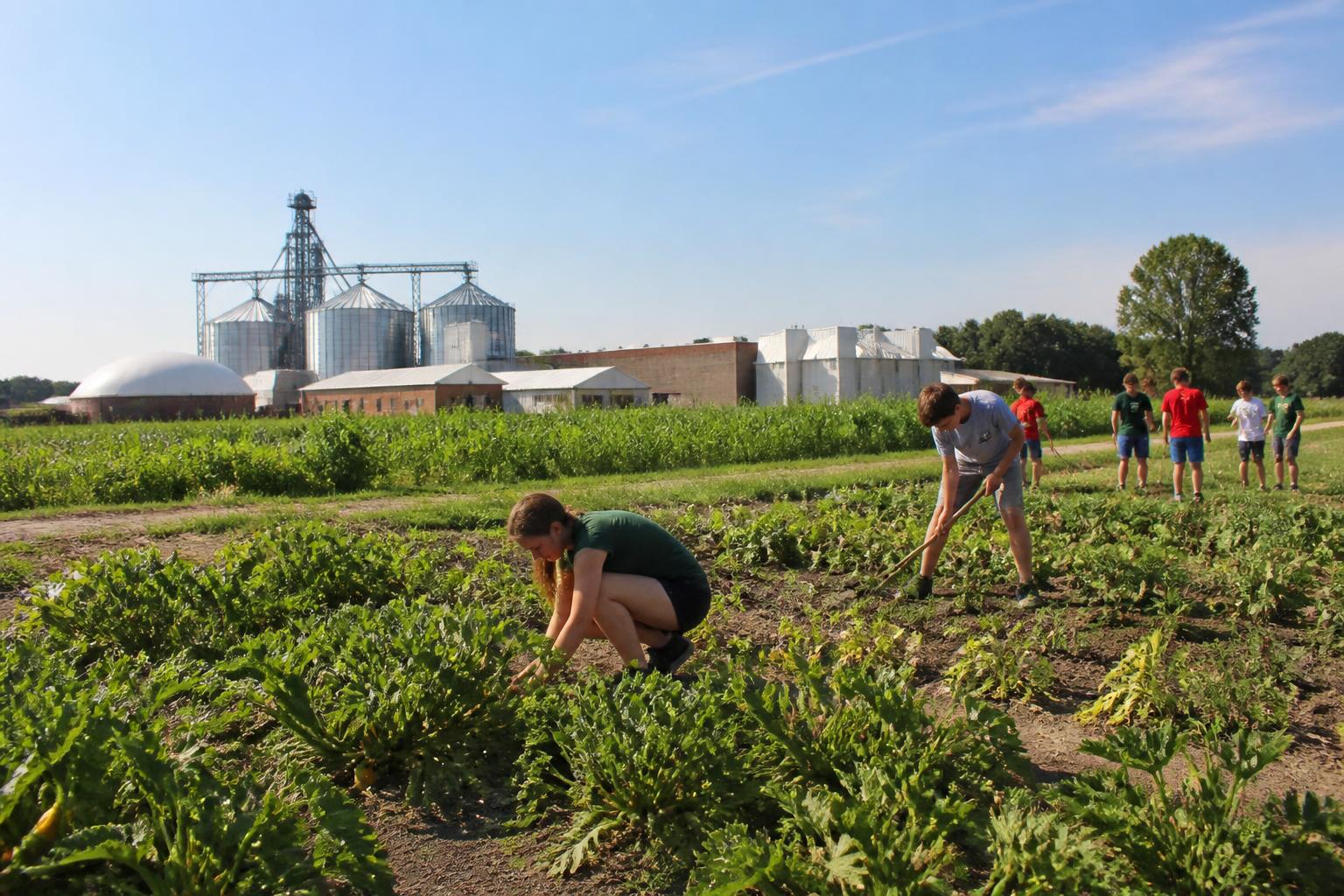
As the summer warmth settles across Virginia's diverse agricultural landscape, from the fertile Shenandoah Valley to the bustling coastal transport corridors, the state's agribusiness sector is looking toward the future. Ensuring long-term viability requires not just managing current crop cycles, but also developing a skilled workforce and understanding global shifts in agricultural infrastructure. Cultivating the next generation of industry professionals has become a top priority for local educational institutions and farming communities alike.
Academic initiatives, such as Virginia Tech's career exploration programs, are playing a key role in preparing students for successful careers in modern agriculture. By connecting students with hands-on learning opportunities and industry experts, these programs help secure a steady pipeline of talent for Virginia elevators, logistics firms, and farms. This educational focus comes at a critical time when local agribusinesses must navigate complex operational demands, including managing Virginia agrologistics during peak summer demands.
Developing the Next Generation of Ag Leadership
The complexity of modern farming requires a deep understanding of agronomy, technology, and supply chain logistics. Programs designed to explore diverse agricultural career paths help students understand the real-world challenges faced by producers. Virginia Tech's focus on cultivating student success highlights how academic training can directly translate to improved efficiency on the farm and within regional agribusinesses.
For young professionals entering the workforce, the ability to manage complex logistics, assess grain quality, and implement sustainable practices is highly valuable. As Virginia growers adapt to changing weather patterns and adjust their crop strategies, having access to skilled managers and advisors is essential. This is particularly true in seasons where producers must make critical decisions regarding crop rotation and acreage, as detailed in the Virginia summer crop outlook.
The Rise of Integrated Energy and Agriculture Infrastructure
On a global scale, the agricultural sector is seeing massive investments in integrated infrastructure that combines energy, agriculture, and protein production. Projects like the massive initiative advanced by Terra Firma highlight a growing international trend toward co-locating energy production with agricultural processes to maximize resource efficiency. This holistic approach to infrastructure reflects a broader movement to reduce carbon footprints while enhancing food security and livestock feed production.
In Virginia, while projects of this scale require substantial capital and planning, the principles of integrated resource management are highly relevant. Local operations are increasingly looking at ways to optimize energy use, explore on-farm solar opportunities, and improve waste-to-energy systems. Aligning these advanced systems with skilled local labor is key to making these technologies practical and profitable.
Adapting to Technology and Input Realities
Integrating new technology also extends to daily crop management and protection. Today's agribusiness workforce must be adept at utilizing precision agriculture tools, biological crop protection methods, and digital monitoring systems. As input costs and pest pressures fluctuate, having workers who understand how to apply innovative solutions can make or break a growing season.
For instance, managing pest resistance and soil health requires a sophisticated approach to crop inputs. Farm managers and agronomists are increasingly turning to biological innovations in Virginia summer crops to maintain yields while controlling overhead costs. Workforce development programs ensure that the professionals advising growers are fully trained in these modern methodologies.
What it means for the market
For Virginia's agricultural marketplace, the dual focus on workforce development and modern, integrated infrastructure signals a resilient outlook. By equipping the next generation with the technical and managerial skills needed to run advanced operations, Virginia is securing its position as a competitive player in national and international trade. For local farmers, grain buyers, and logistics providers, this means a more reliable talent pool and a steady push toward operational efficiency that will help stabilize the supply chain for years to come.
Comments
No comments yet - be the first to share your take.