
Navigating Shifting Crop Protection Laws
Recent legislative developments are changing how crop protection products are legally defended. Across several states, new laws aim to refocus pesticide lawsuits, offering manufacturers more protection when their product labels comply with federal regulatory standards. This evolving legal landscape is highly relevant to Oklahoma growers who rely on consistent, uninterrupted access to essential chemistries. To stay ahead of these legal shifts, farmers must closely monitor Oklahoma crop protection labeling decisions, which can dictate chemical access and regional application guidelines during critical summer growing windows.
Targeting Head Scab and Resistant Weeds
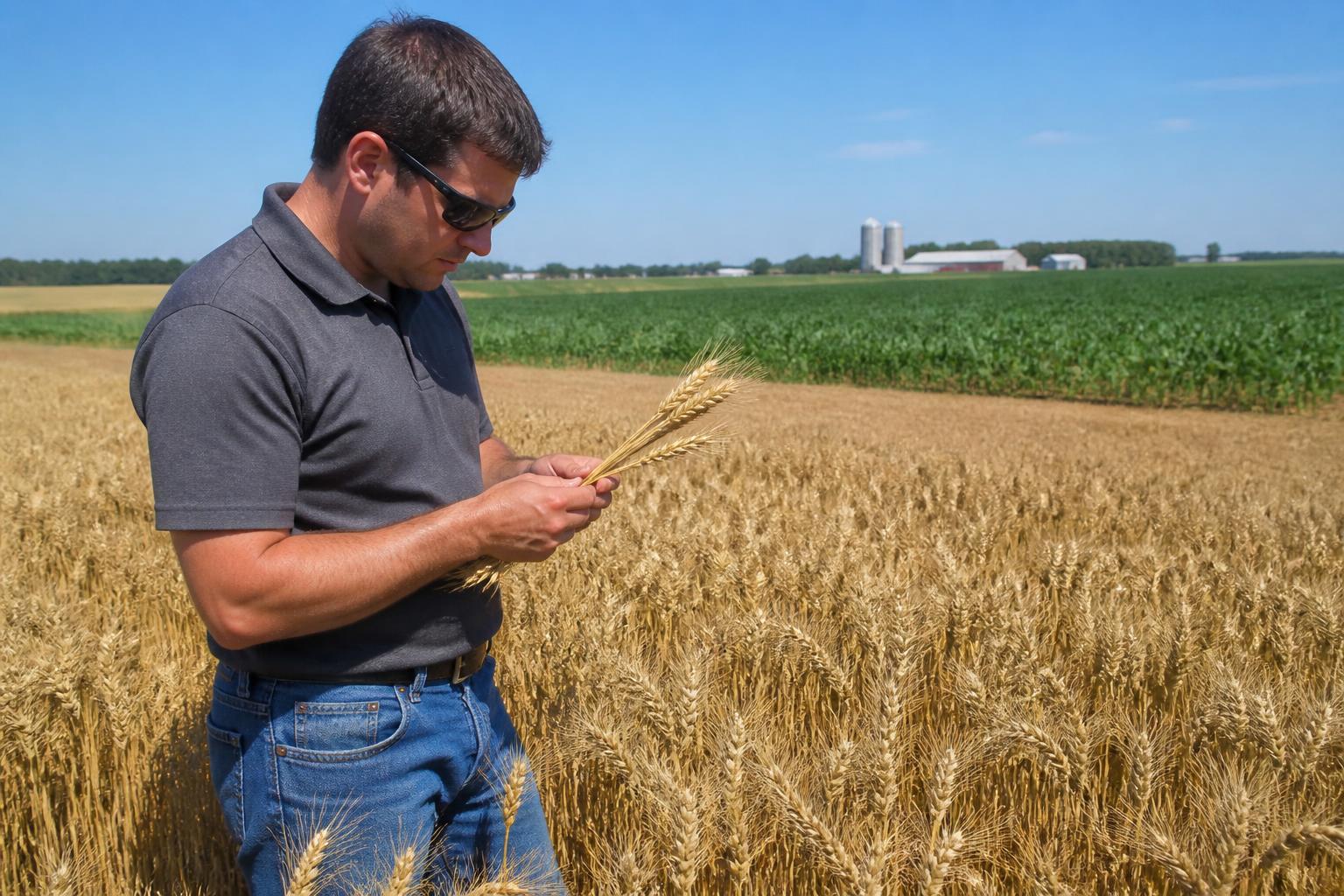
On the agronomic front, innovative management options are emerging to combat persistent field challenges. For wheat growers, fungal issues like head scab (Fusarium head blight) present a recurring risk to grain quality and yield. The introduction of tools like Scab Stryker represents a new step forward in targeting head scab fungal diseases directly, giving wheat growers more robust defense options during damp, high-risk development periods.
Meanwhile, regional weed management continues to gain attention, highlighted by the Southern Weed Science Society recently recognizing leading educators like Todd Baughman for outstanding contributions. In Oklahoma, managing weed resistance and understanding product interactions are vital during the heat of summer. Proactively navigating summer pest pressures is essential as weeds compete with row crops for scarce soil moisture in dry fields.
Weathering Supply Chain and Import Hurdles
The availability of these critical crop inputs remains tied to international trade and volatile logistics networks. Recent reports point to a rise in extreme weather events globally, which continues to disrupt transportation routes, shipping lanes, and chemical manufacturing facilities. Because agricultural production relies heavily on imports for basic chemical ingredients, any logistical bottleneck can quickly ripple down to local co-ops in Oklahoma. Understanding agricultural import dynamics and chemical sourcing is essential for retail distributors planning their inventory for upcoming crop cycles.
Key Takeaways for Producers
- New legal protections for pesticide labeling aim to stabilize the crop protection market against erratic state-level litigation.
- Fungicide innovations like Scab Stryker offer targeted control against devastating diseases like wheat head scab.
- Global supply chain disruptions driven by extreme weather make early input sourcing and supplier diversification a top priority.
What it means for the market
For Oklahoma agribusinesses and producers, managing risk this summer means looking beyond the borders of the field. Securing crop protection chemistry early, understanding new application technologies, and keeping an eye on legislative labeling shields will help operators buffer against volatility. With input availability heavily dependent on global maritime and road logistics, a proactive approach to product procurement is the best way to safeguard yields through the remainder of the season.
Comments
No comments yet - be the first to share your take.