
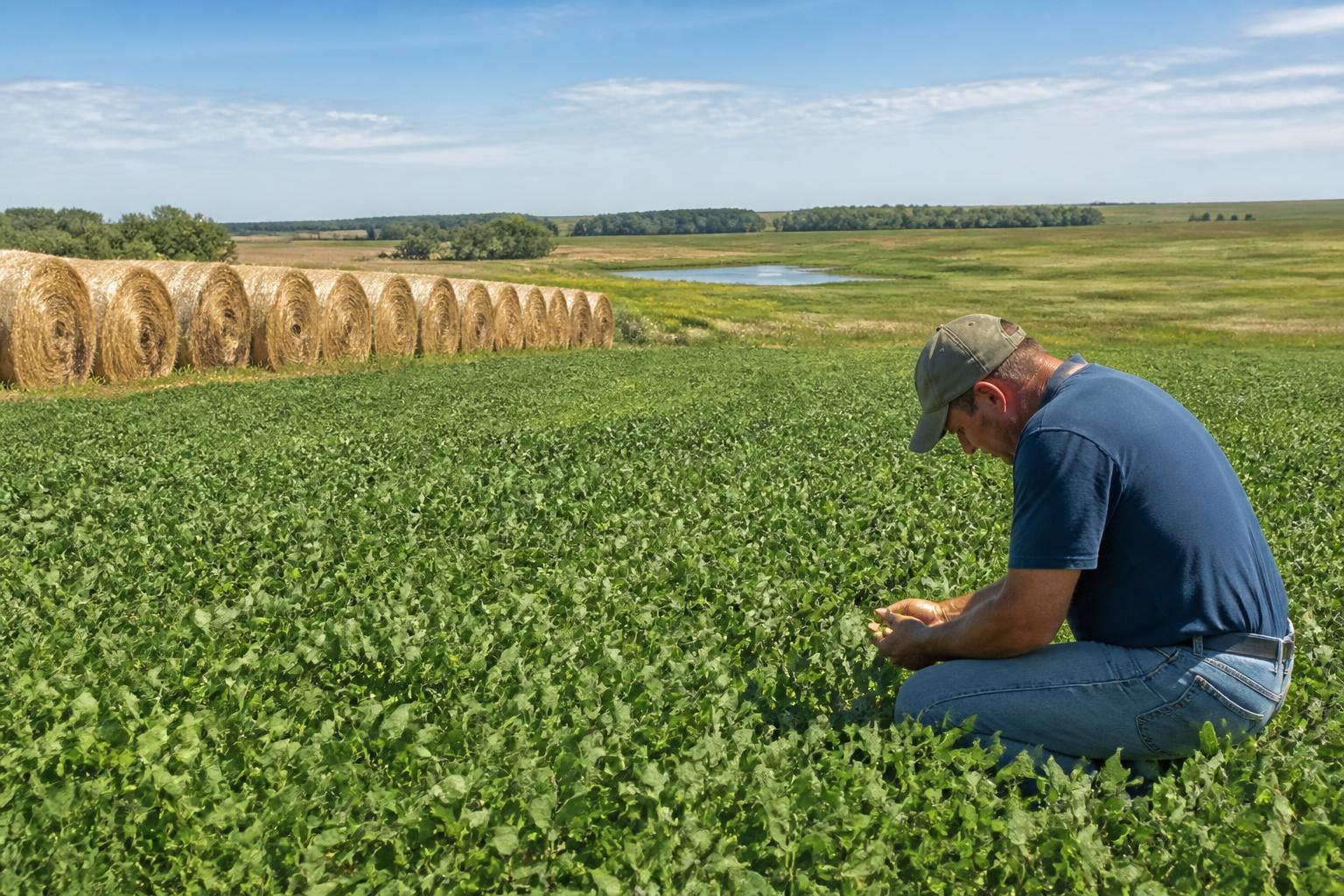
As South Dakota producers progress through the summer spray and crop maintenance season, major shifts in federal agricultural protection policies are reshaping risk management. From the grain fields of the James River Valley to the ranchlands of West River, operations are adjusting to a significant overhaul in federal crop insurance rules alongside continuing legal friction over USDA wetland regulations.
USDA Ends Prevented Planting Buy-Up Option
The USDA Risk Management Agency has finalized a new crop insurance rule that officially eliminates the prevented planting "buy-up" coverage option. For years, this option allowed South Dakota corn, soybean, and small grain growers to pay an additional premium to increase their prevented planting coverage level by 5% or 10%. While the buy-up option is gone, the new regulation introduces targeted support designed to benefit beginning and military veteran farmers, offering them enhanced flexibility as they establish their operations.
With planting windows closed for the season, local producers are reviewing how this change impacts their financial safety net for future wet springs. For those navigating sluggish economics in the South Dakota grain market, the loss of the buy-up option means that risk management strategies must rely more heavily on baseline coverage and proactive water management.
Tensions Flare Over Wetland Conservation Rules
In eastern South Dakota, where the Prairie Pothole Region creates a highly complex network of seasonal wetlands, regulatory compliance remains a point of heavy contention. A South Dakota farmer has filed a lawsuit against the USDA challenging the agency's strict wetland conservation restrictions, commonly known as "Swampbuster" provisions. The legal challenge highlights long-standing frustrations among local landowners who argue that current federal restrictions infringe on private property rights and limit productive field use.
Conversely, environmental advocates and recent reports point to ongoing concerns regarding the conversion of protected wetlands into active cropland, claiming that lax enforcement in some areas has led to habitat loss. This push-and-pull leaves South Dakota growers in a delicate position, balancing the need to maximize farmable acreage with the strict compliance requirements necessary to remain eligible for federal farm program benefits and crop insurance subsidies. Producers must carefully weigh these regulatory hurdles while balancing market volatility with global geopolitical risks.
Local Adjustments and Soil Health Tools
To mitigate both production risks and regulatory oversight, South Dakota operators are turning to advanced field analysis. Agronomists across the state, particularly in heavily farmed counties along the Interstate-99 corridor, are increasingly combining traditional soil testing with modern biological soil-health metrics. This integrated approach helps farmers optimize input applications and demonstrate active stewardship, which can be critical during USDA compliance reviews.
Key Takeaways for South Dakota Operators
- Review Insurance Policy Changes: Work closely with crop insurance agents to understand the implications of the eliminated prevented planting buy-up option before the next enrollment cycle.
- Verify Wetland Status: Before conducting any drainage, tiling, or land clearing, ensure a certified wetland determination is on file with the USDA Natural Resources Conservation Service (NRCS) to avoid Swampbuster violations.
- Utilize Advanced Soil Testing: Consider integrating biological soil-health tests with standard nutrient testing to maximize yield potential on existing, approved crop acreage.
What it means for the market
The tightening of federal crop insurance options combined with ongoing regulatory scrutiny on wetlands places a premium on highly productive, non-restricted farm ground in South Dakota. As the margin for error narrows under current economic conditions, growers who maintain strict regulatory compliance and optimize existing acres through precise agronomy will be best positioned to secure operating loans and maintain long-term financial stability.
Comments
No comments yet - be the first to share your take.