
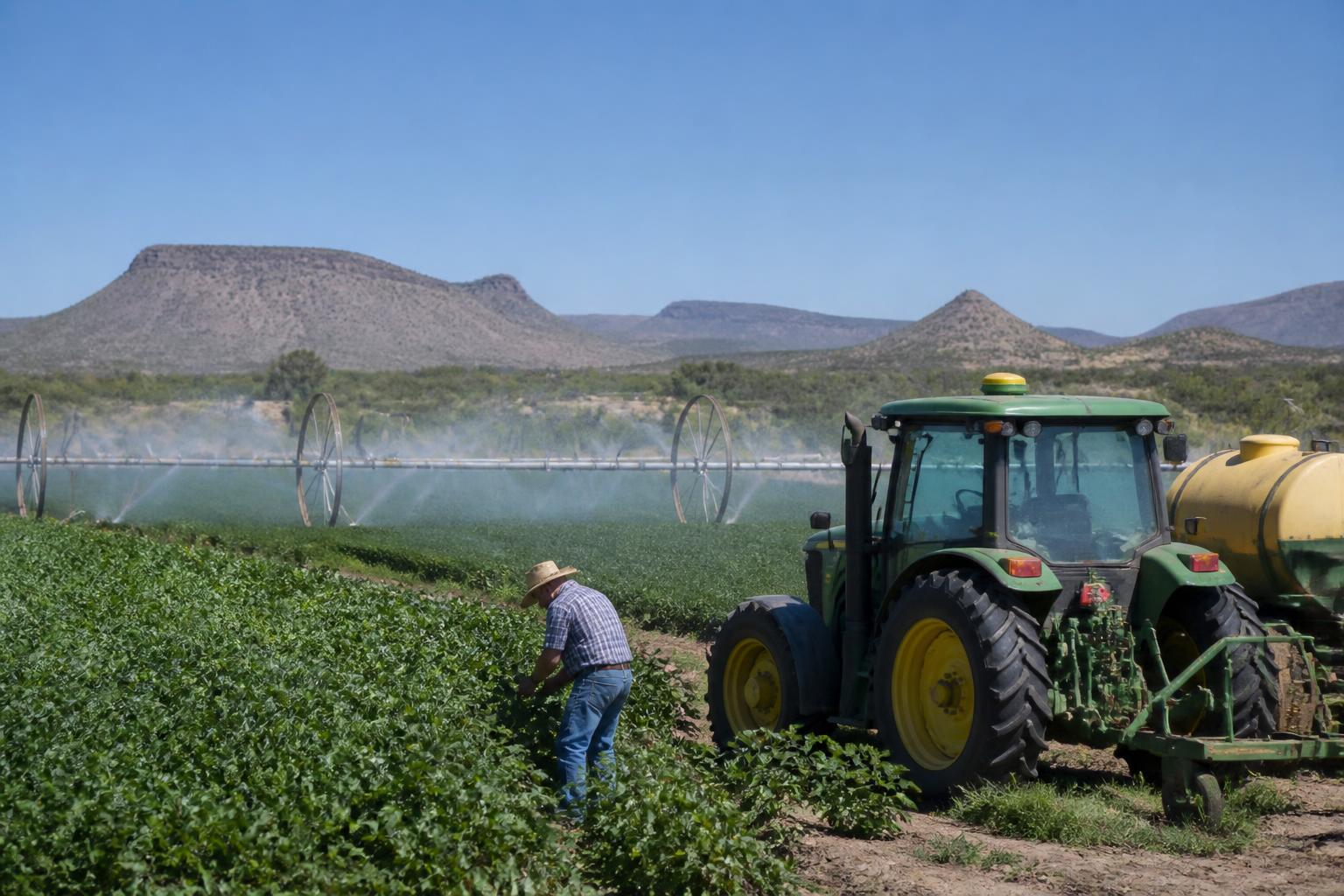
As summer temperatures climb across the Lone Star State, Texas agricultural producers are facing familiar but intensifying pressures. In West Texas, where agricultural vitality relies heavily on underground water resources, growers are confronting critical declines in groundwater levels. The struggle to maintain productive yields while managing dwindling water supplies has become a central focus for agribusinesses and local communities alike this June.
With irrigation demands peaking during the hot summer months, the rapid depletion of regional aquifers is forcing a hard look at water management strategies. For generations, these underground reserves have fueled robust cotton, grain, and livestock operations, but current depletion rates are driving a shift toward conservation and precision agriculture.
The Reality of Aquifer Depletion in West Texas
In many parts of West Texas, farmers are seeing their well capacities drop, making it difficult to meet the full watering requirements of traditional summer crops. The declining water table means pumping water from deeper underground requires more energy, significantly increasing operational costs at a time when energy and input expenses are already elevated. Growers are increasingly forced to choose between leaving some acres dry or investing in highly efficient irrigation technologies, such as subsurface drip systems or advanced pivot nozzles.
Local water conservation districts and Texas A&M AgriLife extension services are working to assist producers in navigating these dry conditions, but the long-term outlook requires systemic adjustments. For many, the transition away from high-water-use crops toward drought-hardy alternatives is no longer a future projection but an immediate necessity.
Compounding Market Pressures and Logistics
Water scarcity does not exist in a vacuum; it directly impacts crop quality, regional yields, and transport logistics. When local production volumes shift due to water limits, the entire supply chain feels the ripple effects. From local grain elevators to coastal export terminals, logistics providers must adapt to fluctuating crop volumes and changing harvest timelines.
These water challenges often intersect with broader economic factors, including volatile fuel prices, fertilizer costs, and supply chain disruptions. Producers who are managing tight water budgets must also balance their financial plans against the Texas summer harvest potential and high input costs. Furthermore, adapting to these shifts requires a keen understanding of regional ag logistics and input pressures to ensure that crops can be moved efficiently once harvested.
Adapting Through Innovation and Technology
To survive the depletion of groundwater, Texas agriculturalists are turning to scientific and technological innovations. Crop researchers are continuously evaluating drought-tolerant genetics for regional staples like cotton and sorghum. Additionally, advanced soil moisture sensors and weather-based irrigation scheduling tools are helping growers apply water only when and where it is absolutely necessary.
There is also a growing interest in diversifying local agricultural portfolios. From dryland cropping techniques to exploring low-water alternative industries like regional viticulture, the emphasis is on maximizing the economic return for every gallon of water used. However, transitioning to new systems requires capital, time, and a willingness to manage the risks associated with market interruptions.
Key Takeaways for Texas Producers
- Monitor Well Levels: Regular testing of well outputs and drawdown levels can help prevent unexpected irrigation failures mid-season.
- Evaluate Crop Mix: Incorporating more drought-resilient crops or dryland rotations can reduce reliance on depleting aquifers.
- Optimize Irrigation: Investing in maintenance and scheduling technology can reduce water waste and lower energy pumping costs.
What it means for the market
The ongoing depletion of groundwater in West Texas will likely continue to reshape regional crop patterns and supply chains over the coming years. Buyers, grain handlers, and logistics providers should prepare for potential volume fluctuations and a gradual shift in the geographic distribution of key commodities. As water availability tightens, the premium on highly efficient production methods and water-conserving technologies will undoubtedly rise, making resource management the ultimate dividing line for farm profitability in Texas.
Comments
No comments yet - be the first to share your take.