
Wisconsin grain market participants are confronting a rapidly evolving landscape as mid-summer arrives. A major structural shift in regional logistics has caught many off guard, compounding the agronomic and marketing pressures already facing producers. With international trade dynamics hanging in the balance, growers and elevator operators are forced to re-evaluate their transport lanes and crop protection strategies to safeguard their bottom lines.
The Duluth-Superior Terminal Closure Disrupts Regional Flows
In a significant blow to the northern transportation corridor, CHS has shuttered its grain terminal at the Port of Duluth-Superior. This facility has historically served as a critical gateway for moving Upper Midwest commodities through the Great Lakes system to international destinations. The closure of this terminal forces a realignment of regional grain movements, particularly for northern and western Wisconsin shippers who rely on competitive lake transport options.
This disruption occurs at a time when local transport networks are already dealing with shifting dynamics. While initiatives like the Northern Grain Belt Ports initiative aim to bolster logistics long-term, the immediate loss of active terminal capacity at Duluth-Superior means grain handlers may need to reroute volume toward Mississippi River terminals or rely more heavily on domestic rail markets. For growers making decisions on where to sell grain in Wisconsin, localized basis levels could reflect these increased freight pressures as the summer progresses.
Agronomic Pressure: Corn Rootworm Threatens 2026 Yield Potential
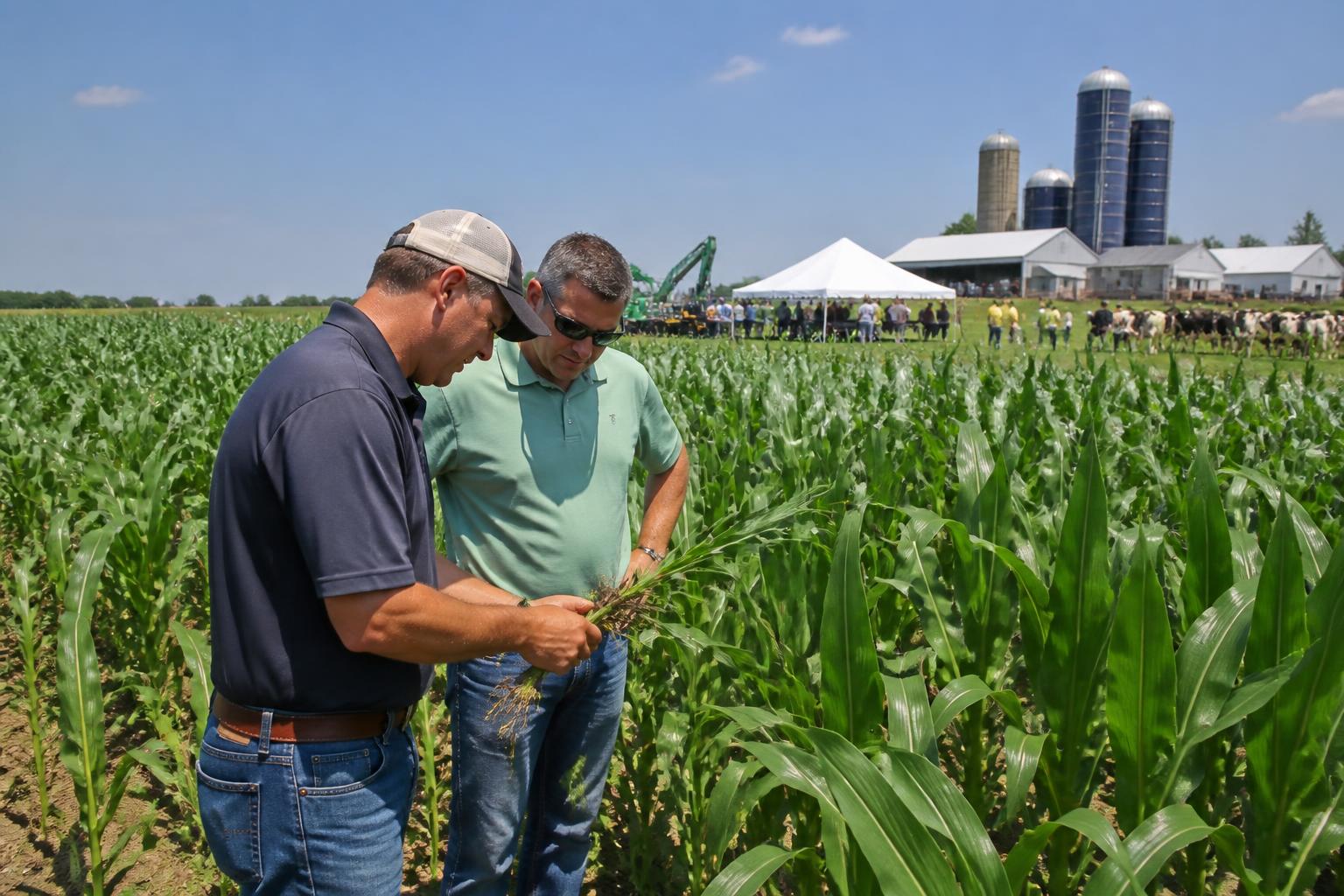
On the production side, agronomic threats are demanding closer field scouting. Corn rootworm pressure is rising across the Midwest, threatening yield potential heading into the next crop cycle. This pest pressure requires active summer management, including precise crop rotation planning and integrated pest management systems.
During events like the Wisconsin Farm Technology Days, industry professionals have highlighted advanced ag tech solutions to combat these persistent soil-borne threats. Additionally, with input costs remaining a key concern, many dairy-grain integrated operations are calculating the exact nutrient value of manure to offset commercial fertilizer bills while managing soil health. Implementing diverse rotation strategies and maximizing local fertilizer resources will be crucial to keeping production costs manageable amid these biological challenges.
Trade Uncertainty and Tight Margins
Wisconsin agricultural leaders have warned that trade policies and international market access could make or break state farms. This trade dependency is particularly acute for grain producers who are currently adapting to tight summer margins and shifting global export demand. Historically, before dairy became the dominant force in Wisconsin agriculture, wheat was the state's primary crop. Today, the modern grain sector remains deeply integrated with both national dairy feed demands and international export channels.
With global supply chains fluctuating, local operations must watch policy developments closely. Labor rules, trade agreements, and bilateral export relationships will heavily influence commodity pricing through the second half of the year.
Key Takeaways for Wisconsin Agribusinesses
- Re-evaluate Shipping Corridors: The loss of the CHS terminal at Duluth-Superior requires grain elevators and carriers to identify alternative routes to market, potentially increasing reliance on southern and eastern pathways.
- Scout and Monitor Now: Escalating corn rootworm pressure across the Midwest means field scouting must be prioritized to prevent severe yield drag in upcoming seasons.
- Focus on Margin Protection: Given trade volatility and changing logistics costs, locking in incremental sales and utilizing local nutrient sources like manure can help defend operating margins.
What it means for the market
The convergence of logistics setbacks on the Great Lakes and rising pest pressures means Wisconsin grain participants cannot rely on standard operating procedures. Basis volatility may rise near northern transportation hubs, making flexible marketing plans essential. Those who closely monitor local freight alternatives and maintain strict agronomic oversight will be best positioned to weather these summer transitions.
Comments
No comments yet - be the first to share your take.