
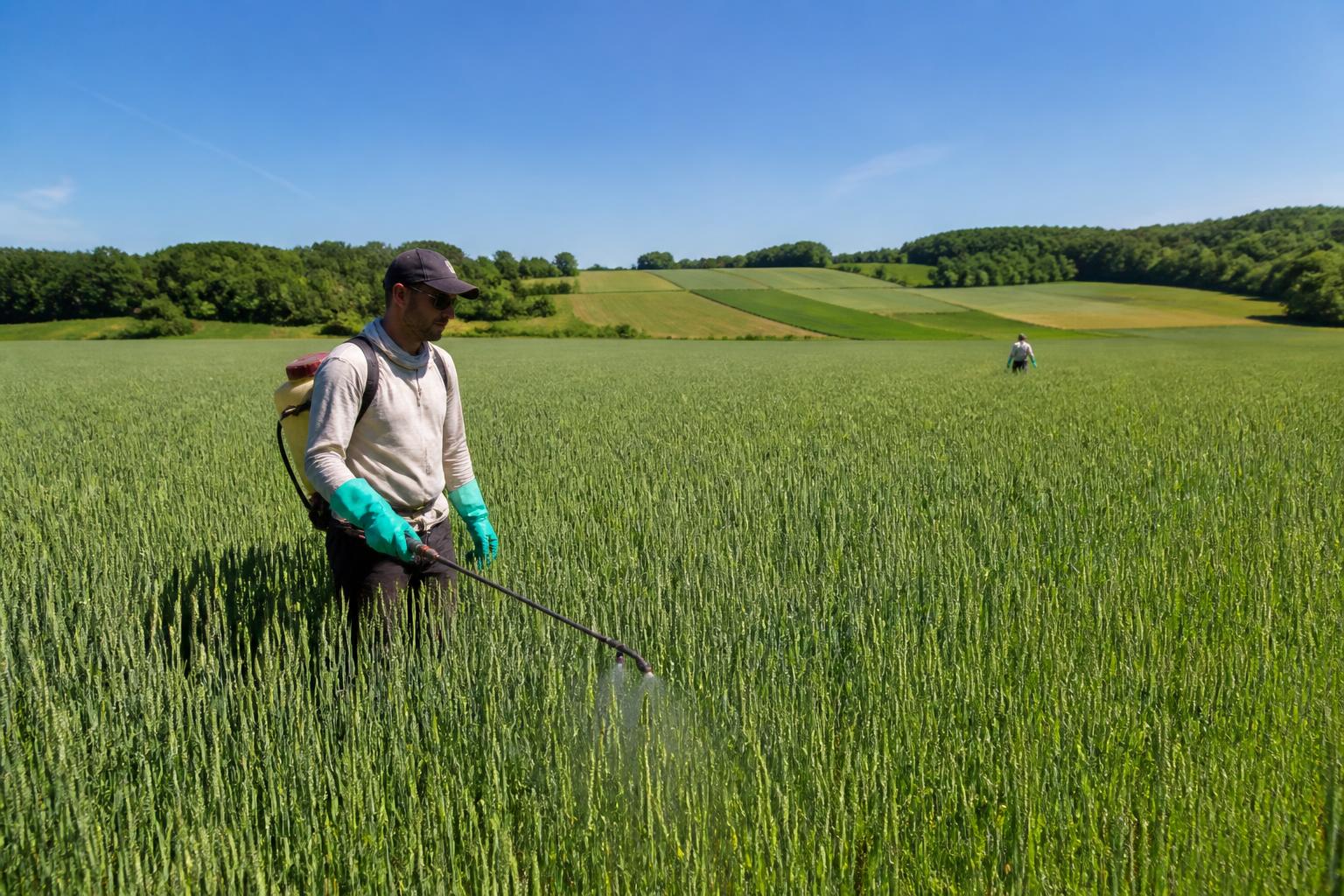
Maine's agricultural economy is navigating a unique period of transition. While the state has seen a decline in the overall number of farms and active acreage, the economic value of its agricultural output continues to grow. To sustain this momentum through the hot summer months, local growers are prioritizing targeted crop protection measures to secure yields and manage rising operational costs.
From the potato fields of Aroostook County to the wild blueberry barrens of the coast, safeguarding crops against pest pressures, weed resistance, and weather extremes is vital. Integrating proactive management plans and leveraging local agronomic research are key to keeping Maine's farming operations profitable.
Climate-Resistant Breeding and Potato Protection in Aroostook
Potatoes remain a cornerstone of Maine's agricultural identity, but shifting weather patterns have intensified the threat of late-season blights and moisture stress. To combat these challenges, researchers at the University of Maine Agricultural and Forest Experiment Station are collaborating with local Aroostook County farms to test and select climate-resistant potato varieties. These efforts focus on identifying cultivars that can withstand erratic rainfall patterns while maintaining high quality.
In addition to genetic resistance, growers are implementing robust specialty crop safeguards to protect existing acreage. Precision spraying, disease-forecasting models, and early-season scouting are critical tools for minimizing fungicide use while preventing widespread pathogen outbreaks in the summer heat.
Combating Weed Resistance and Protecting Grain Yields
As grain production expands across the state, management of weed resistance has become a top priority for local growers. The rise of ALS-resistant weeds has made traditional herbicide programs less effective, requiring more strategic chemical rotations. Utilizing advanced herbicide options designed specifically to control ALS-resistant weeds in small grains like wheat helps protect yields without damaging sensitive rotation crops.
Sustainable field management also plays an important role. Combining these chemical applications with proactive soil health protection strategies helps suppress weed emergence naturally and keeps competitive cash crops thriving. Additionally, preparing for post-harvest logistics by employing clean, dry summer grain storage planning techniques preserves grain quality once it leaves the field.
Mitigating Volatility in High-Value Specialty Crops
Maine's wild blueberry growers, who have previously faced significant crop losses due to severe frost and drought cycles, are increasingly focusing on risk mitigation. Upgrades to irrigation systems, investment in frost-protection technologies, and intensive pest-monitoring programs are helping to stabilize production. On the nutrient front, local agribusinesses are exploring innovative solutions to boost crop vitality, including organic soil amendments processed from regional fish waste, such as salmon and eel byproducts.
Key Takeaways for Maine Producers
- Adopt Resilient Varieties: Keep updated on UMaine trial results for potato cultivars bred to withstand summer climate fluctuations.
- Address Herbicide Resistance: Rotate active ingredients and leverage newer crop protection formulations to control aggressive weed species in small grains.
- Optimize Soil and Crop Health: Combine regional biological amendments, like local marine byproducts, with standard fertility plans to improve soil resilience.
What it means for the market
Despite consolidation and a reduction in total farmland, Maine's agricultural sector is proving that efficiency and intensive crop protection can drive financial growth. By adopting climate-resistant varieties, rotating herbicide modes of action, and utilizing innovative regional resources, Maine producers are successfully protecting their margins against both biological and environmental threats.
Comments
No comments yet - be the first to share your take.