
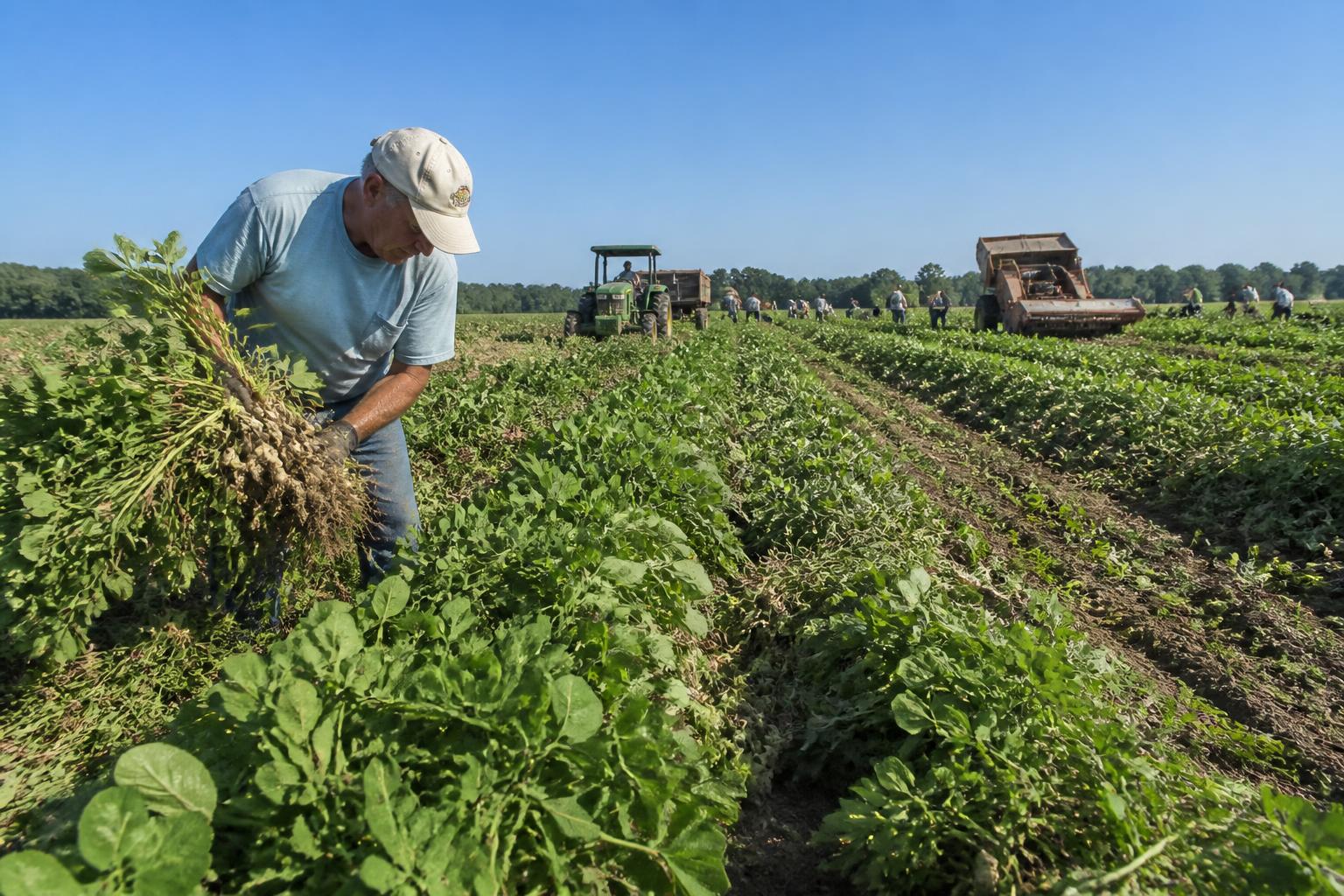
As mid-summer heat settles over Georgia's coastal plains and major logistics corridors, the state's agribusiness sector is balancing ambitious yield forecasts with critical supply chain developments. Local growers are navigating dynamic market conditions for key row crops like peanuts and cotton, while statewide infrastructure and trade expansions continue to position Georgia as a major gateway for agricultural exports.
With national and international demand shifting, Georgia's farmers and logistics providers are adapting to evolving crop timelines and enhanced safety protocols. For agribusinesses operating across the Southeast, keeping a close eye on these regional dynamics is essential for optimizing summer supply chains and preparing for the upcoming harvest season.
Optimistic Outlook for Row Crops Despite Timing Shifts
Georgia peanut growers have reasons for optimism this summer, with early indicators suggesting the potential for record-setting yields. While some early harvest results have pleased growers, overall crop management strategies are adjusting to a shifting timeline, with the main harvest window for many operations expected to stretch into October.
While grain markets face their own seasonal adjustments, as detailed in the Georgia summer grain and logistics outlook, the state's peanut industry is preparing for intensive handling demands later this year. In contrast, the cotton sector is navigating more complex market dynamics, often referred to as a cotton conundrum, keeping growers focused on input efficiency and risk management to protect margins in a volatile environment.
Pest Pressures and Land Management Challenges
In addition to weather and market fluctuations, Georgia producers are actively managing unique biological threats this summer. State officials are urging residents and growers to remain vigilant for the invasive yellow-legged hornet, which poses a direct threat to the local honeybee population and broader agricultural ecosystems.
Managing these exotic pests is a critical component of broader South Georgia crop protection strategies, which also address seasonal fungal and insect pressures. At the same time, land management remains a priority; a state-supported program is currently connecting farmers with feral hog hunters to help mitigate the widespread rooting damage these pests cause to valuable cropland and pastures.
Agribusiness Growth and Export Milestones
Georgia's broader agricultural footprint continues to expand, driven by its rise into the top 10 exporting states in the nation. Local infrastructure is receiving a boost, notably in Sumter County, where a USDA loan is aimed at expanding local agricultural production and creating jobs.
Further up the supply chain, global food solutions leader Cargill is establishing a major office hub in Metro Atlanta, which is projected to bring 400 new jobs to the area. This corporate expansion aligns with ongoing investments to resolve rural logistics and cold chain challenges throughout the Peach State, ensuring that high-value commodities can move efficiently from rural fields to global markets.
Key Takeaways for Georgia Agribusinesses
- Peanut yields show record-breaking potential, though the primary harvest window is expected to concentrate heavily in October.
- Export capacity remains strong, supported by Georgia's ranking as a top-10 exporting state and fresh investments in local processing and corporate agricultural hubs.
- Pest management remains crucial, requiring active monitoring for both invasive yellow-legged hornets and destructive feral hog populations.
What It Means for the Market
The combination of high-yield crop potential, strategic corporate investments, and expanding export infrastructure highlights a robust summer for Georgia agriculture. Elevators, carriers, and input suppliers should coordinate closely to prepare for high-volume logistics demands heading into the autumn, while keeping a close eye on regional pest control initiatives and changing crop timelines.
Comments
No comments yet - be the first to share your take.