
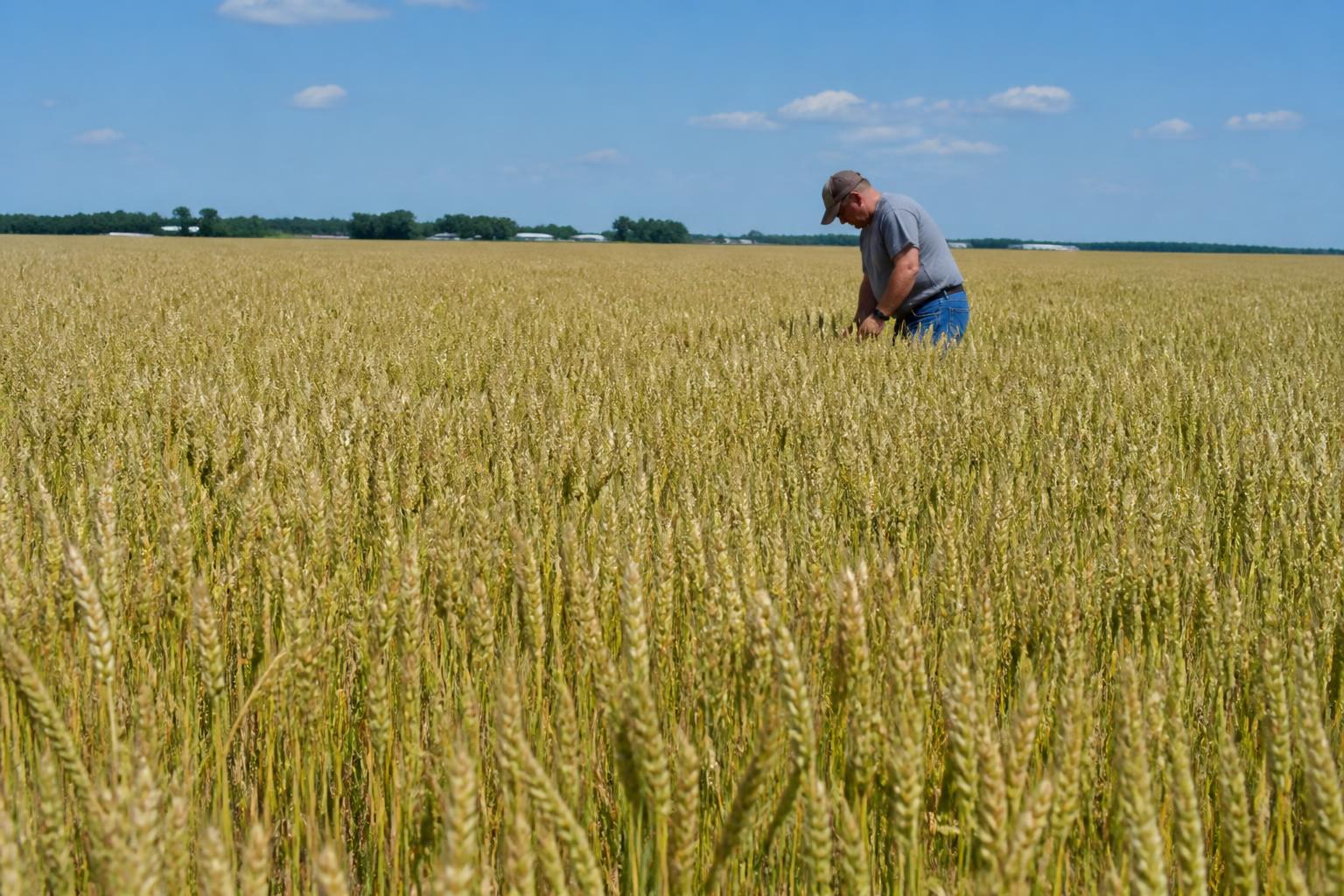
Illinois farmers heading into the peak of the summer face a delicate balancing act. Financial headwinds are mounting across the state, marked by a rise in farm bankruptcies for the third consecutive year, which some agricultural experts are calling a real farm crisis. Yet, even as growers along the major shipping corridors like Interstate 55 and the Illinois River contend with these economic pressures, there are some glimmers of hope in the fields, including a strong wheat crop and new regulatory approvals for crop protection tools.
To survive a challenging crop year, operators in counties from Champaign to LaSalle are shifting focus toward high-efficiency management. Every spray pass and seed treatment must prove its worth as high custom application rates and unexpected disease pressures squeeze already thin margins.
Early Disease Alerts: Tar Spot Arrives in Illinois
With the summer heat intensifying, Illinois corn growers must now contend with the season-s first confirmed case of tar spot in 2026. This early detection puts crop protection back at the top of the priority list for growers in key production regions. Effective monitoring is critical, especially since delaying application or failing to identify early symptoms can lead to rapid yield loss.
To keep costs under control while addressing these emerging threats, many producers are studying how to optimize their input strategies. For deeper insight, growers can reference Illinois Crop Protection: Balancing Conservation Plans with Tightening Summer Budgets to balance input choices with long-term soil health initiatives.
Regulatory Approvals and Rising Custom Rates
On the regulatory front, there is positive news for soybean producers. The Illinois Soybean Growers (ISG) recently welcomed the U.S. Environmental Protection Agency-s (EPA) approval of new crop protection tools, offering additional choices for managing resistant pests and weeds. These approvals come at a vital moment, as weed control remains a major mid-season challenge. Growers can explore further details on integrating these new options in Illinois Crop Protection: Navigating Early Summer Weed Pressures with Precision Tech and Smart Tank Mixes.
However, the cost of executing these protection programs continues to climb. Custom planting estimates in Illinois have risen 14 percent since 2023, squeezing operational margins even tighter. On a positive note, ISG has also commended recent federal executive efforts to lower fertilizer costs, which could help offset some of these rising application and machinery expenses.
Navigating Economic Strain and Finding Bright Spots
The combination of rising custom rates and multi-year low commodity prices is driving the current rise in regional farm bankruptcies. It underscores the importance of maximizing efficiency with every spray pass. To learn more about how policy and sudden budget changes are altering local management, see Illinois Crop Protection: Regulatory Wins and Budget Shocks Shape Summer Management.
Despite the strain, Illinois fields are showing resilience. The state-s wheat crop has emerged as a genuine bright spot this season, showing strong progress and providing a much-needed potential revenue source for diversified operations.
Key Takeaways for Summer Management
- Scout Early and Often: The confirmation of tar spot means regular field monitoring in July is essential to catch fungal outbreaks early.
- Leverage New Tools: Newly approved EPA crop protection options can assist in targeting resistant weeds and pests.
- Watch Custom Rates: With custom planting and application costs up 14 percent since 2023, precise timing of every trip across the field is critical.
What it means for the market
For Illinois ag retailers, custom applicators, and grain producers, the summer market is defined by defensive management and strategic protection. While the threat of tar spot and high custom rates demand strict budget discipline, the arrival of new EPA-approved tools and a robust wheat harvest provide practical avenues to protect yields. Success this season will go to operations that act early on disease detection and optimize their input mixtures to ensure maximum return on investment.
Comments
No comments yet - be the first to share your take.