
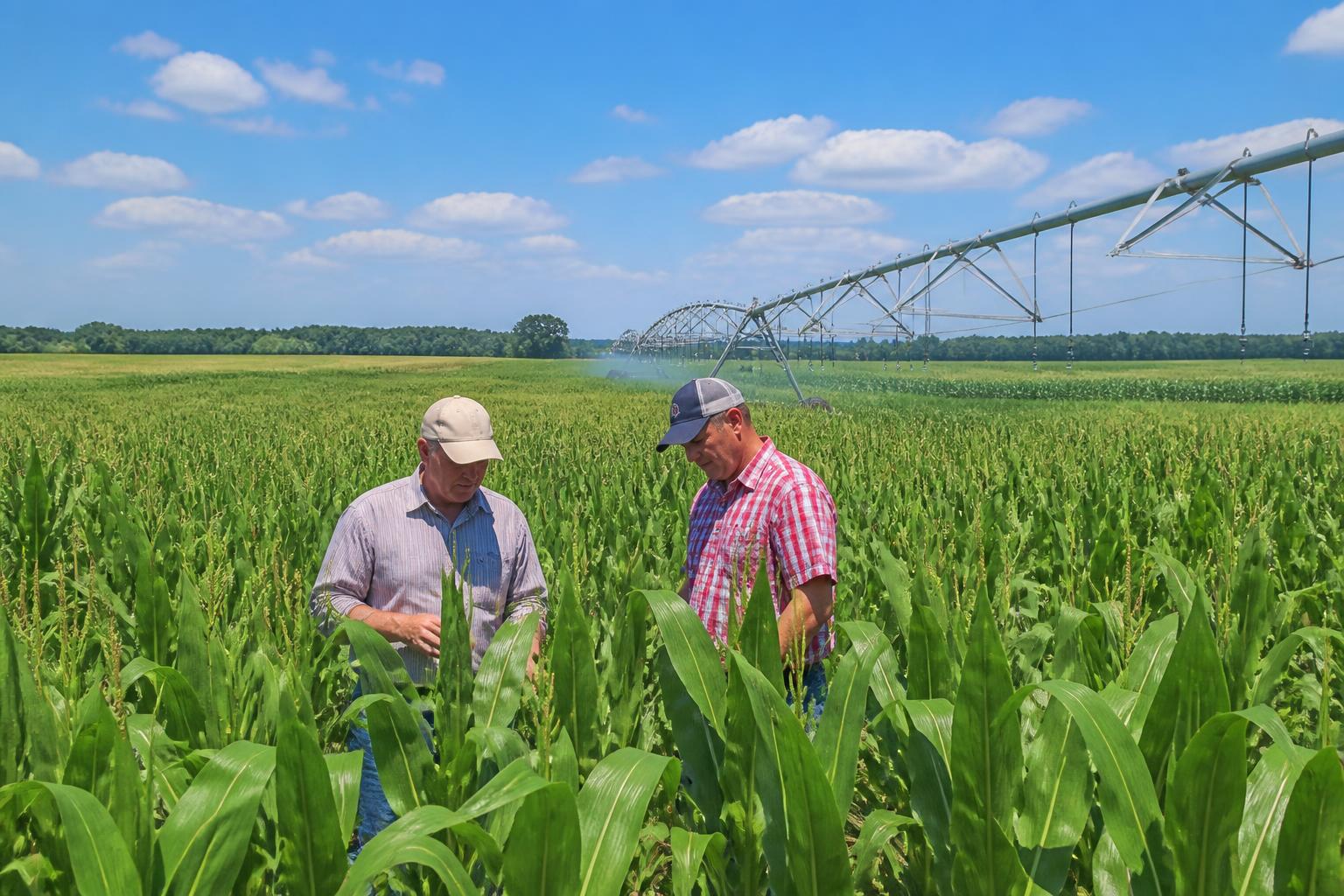
With summer heat settling firmly over Alabama’s diverse agricultural landscape, producers are entering a critical window for crop protection and financial planning. From the rolling hills of Madison County to the expansive fields in the southern regions, the focus is squarely on maintaining yield potential and ensuring that the harvest, once gathered, is marketed with precision.
Effective weed control remains a top priority as the season progresses. With recent updates regarding Alabama's grain markets and regulatory shifts like the evolving dicamba requirements for 2026, growers are advised to stay closely aligned with local university extension guidance. Ensuring that application windows are optimized can help prevent late-season weed competition that threatens to sap valuable moisture and nutrients from developing stalks.
Defensive Measures at the Port
Beyond the field, Alabama’s agricultural infrastructure is reinforcing its defenses. Faculty at Auburn University are currently working on sentinel gardens strategically located near state ports. These installations serve as a vital early-warning system to detect incoming pests and diseases, providing a necessary layer of protection for the state’s exports. For farmers, this helps preserve the integrity of the state's global trade reputation while mitigating the risk of invasive outbreaks that could disrupt logistics and supply chains.
Refining Your Marketing Calendar
While field protection keeps the crop viable, a disciplined marketing plan ensures the output remains profitable. Many producers are shifting away from reactive sales in favor of time-based marketing strategies. By spacing out sales throughout the harvest and post-harvest periods, farmers may be able to smooth out the effects of price volatility. This approach can be particularly effective when navigating global energy volatility and trade uncertainty, which often dictate local elevator pricing.
Technology as a Multiplier
Integrated solutions continue to change how the state's top-tier operations function. From the installation of sophisticated, water-saving irrigation technology at operations like Dee River Ranch to the use of advanced tracking systems, Alabama producers are finding that managing resources efficiently is the best hedge against the unpredictability of summer weather patterns. In some instances, adopting these digital tools can provide the transparency needed to command better premiums for specialty crops.
What it means for the market
For the Alabama agribusiness sector, the path to a profitable season lies in the intersection of proactive pest management and structural marketing. As the state monitors its borders for biological threats and continues to modernize its irrigation and field monitoring capabilities, the focus must remain on the long-term health of the operation. By aligning local grain marketing tactics with the realities of the current climate, farmers can better position themselves to handle the market pressures typical of mid-summer.
Comments
No comments yet - be the first to share your take.