
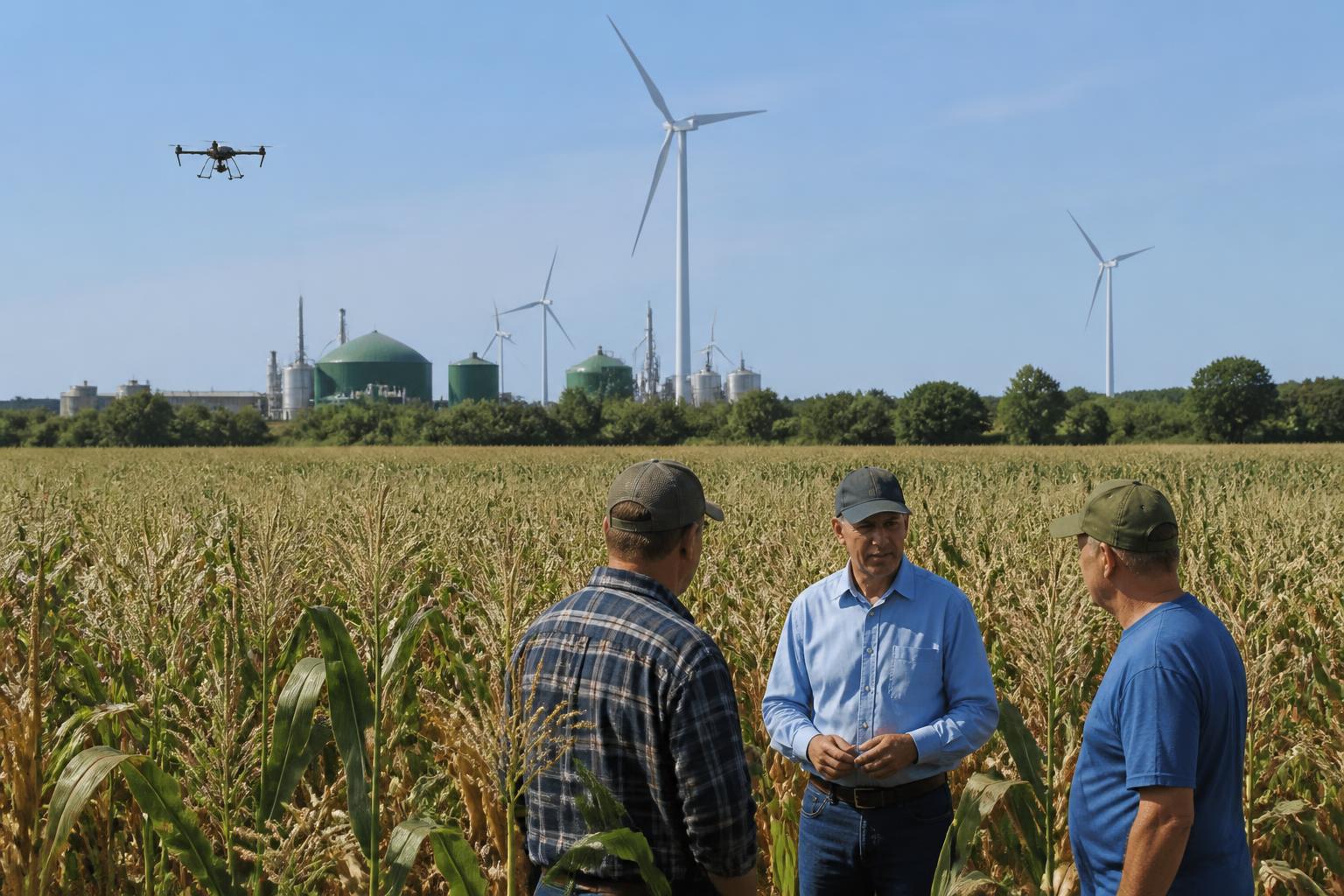
Adapting to Mid-Summer Field Challenges
As the summer season reaches its peak across Minnesota, agricultural producers are shifting their focus toward effective canopy management and vigilant pest monitoring. While field conditions have largely supported crop progression, the economic climate remains a primary concern. Many farmers are navigating a challenging environment where rising fuel and input costs influence management decisions, particularly as they assess the viability of late-season interventions.
For those managing soybean acres, the threat of pest infestations remains a critical watch-point. Recent advancements in satellite imagery and AI-based monitoring are being utilized to better identify early signs of soybean aphid outbreaks. This precision approach may prove essential in optimizing crop protection schedules, potentially reducing unnecessary field passes while maintaining yield potential during critical growth stages.
Navigating Market and Input Dynamics
Investment in crop health is occurring alongside a broader state-level push for agricultural modernization. Recent developments, such as the establishment of wind-powered green ammonia facilities, signal an interest in stabilizing long-term fertilizer supply chains. For producers, these shifts in the fertilizer input market represent a potential transition toward more predictable local sourcing, though traditional input costs remain a primary focus for current balance sheets.
Meanwhile, the cancellation of specific state-level pest management initiatives, due to shifts in funding, has prompted many growers to reassess their own integrated pest management programs. As farmers in the Red River Valley and southern Minnesota regions evaluate their specific risk profiles, there is an increasing emphasis on data-driven decision-making to protect thin margins against unforeseen biological threats.
What it means for the market
With corn prices remaining a significant point of discussion, producers are understandably cautious about over-extending on non-essential inputs. Successful crop protection and soil health strategies this year rely on a disciplined balance between maximizing yield and minimizing exposure to volatile costs. As the season progresses, expect increased reliance on remote monitoring tools and localized data to guide these final management pivots before the transition to harvest preparations.
Comments
No comments yet - be the first to share your take.