
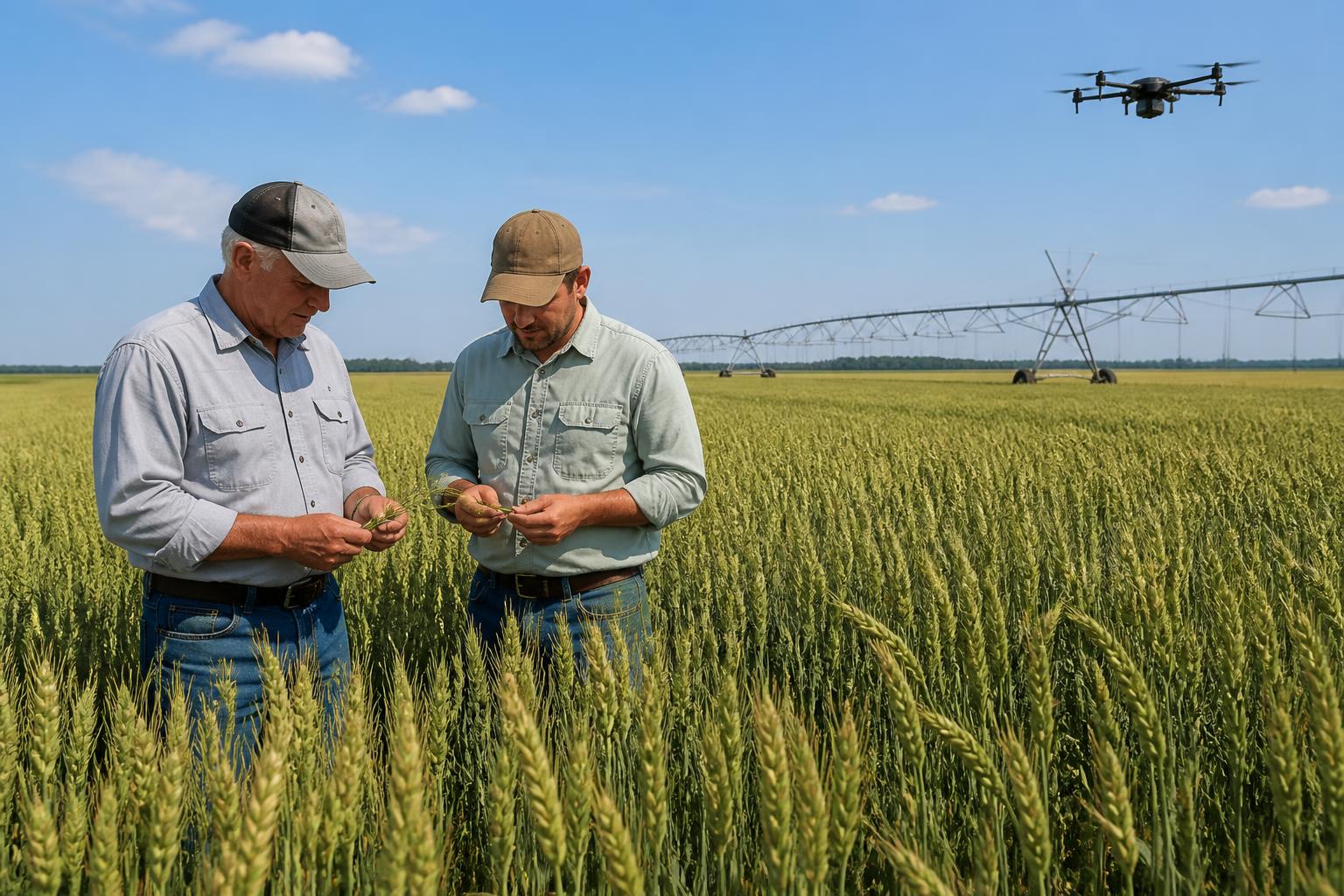
As the Washington summer harvest progresses, growers across the Palouse and the Columbia Basin are managing a complex environment of market volatility. While many producers report favorable conditions for crop delivery, global trade fluctuations and input cost uncertainties continue to weigh on long-term planning for regional agribusinesses.
Maintaining financial stability during this period requires a tactical approach to operational costs and market exposure. With supply chain dynamics still evolving, growers are looking closely at how shifting logistics and margin pressures influence the bottom line for regional grain shipments.
Refining Crop Protection and Financial Strategy
Risk management remains a primary objective as producers evaluate their options for the current season. Many are reassessing the utility of advanced insurance products to hedge against yield and revenue variability. Because inputs such as fertilizer remain susceptible to price shocks from international trade tensions, strategic procurement is more critical than ever. Recent policy shifts surrounding tariff relief on essential agricultural inputs have provided some breathing room, though market participants continue to monitor for further cost escalations.
Logistics and Market Resilience
Beyond crop health, the physical movement of commodities remains a significant focus for Washington elevators and transport carriers. Coordination between rail networks and river terminals is essential for maintaining throughput, particularly as local operators weigh the impact of potential infrastructure changes on their long-term freight options. Furthermore, producers are finding that integrating data-driven, ag-tech solutions for crop protection can offer a tangible buffer against both environmental stressors and unpredictable market conditions.
What it means for the market
The path forward for the Washington ag sector relies on balancing operational agility with robust financial planning. By leveraging current policy incentives and modern risk management tools, producers can better insulate their operations from the persistent pressures of rising costs and fluctuating export demand, ensuring that regional harvests reach key domestic and international markets efficiently.
Comments
No comments yet - be the first to share your take.