
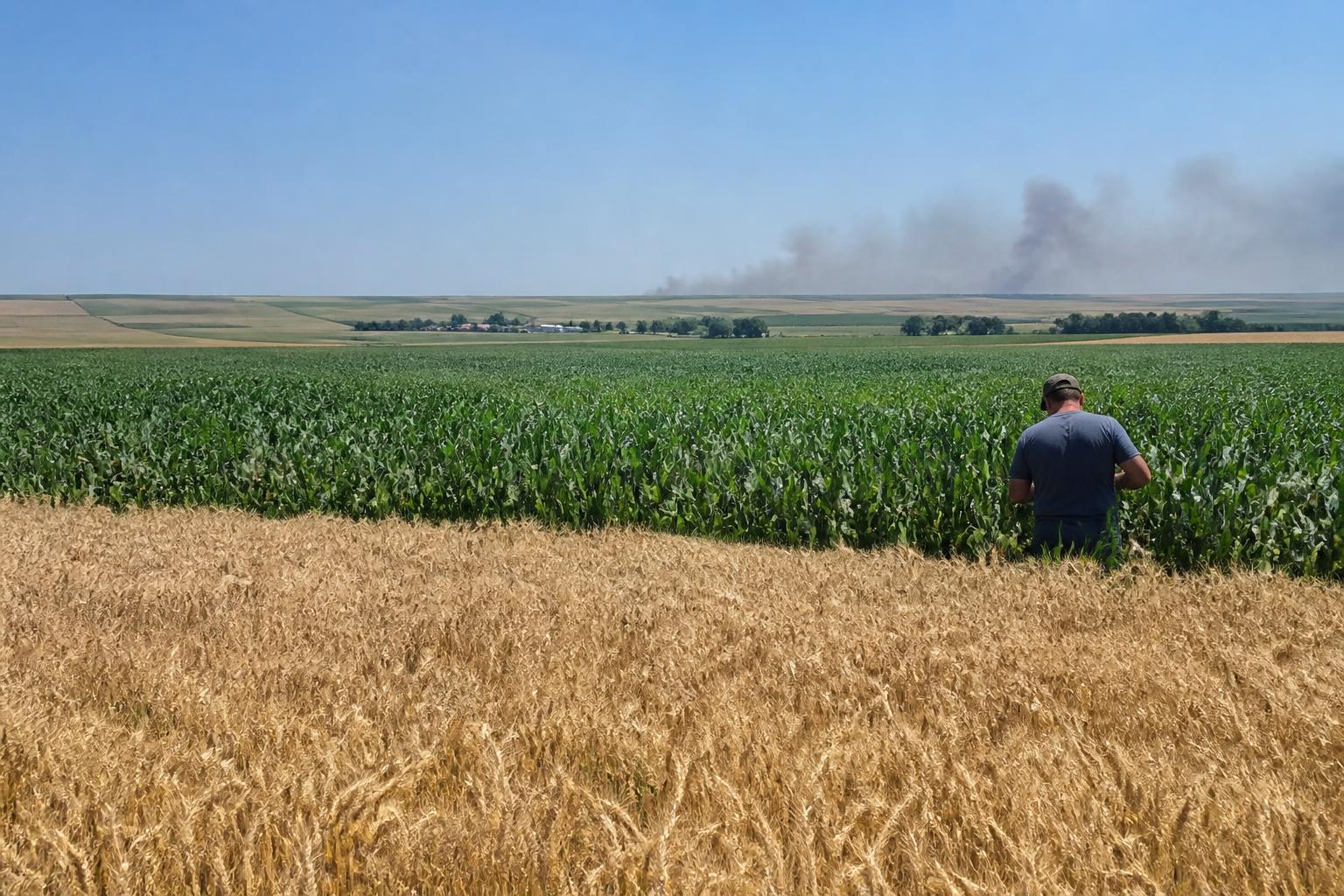
Mid-summer in Kansas brings a mix of operational intensity and strategic planning for the state's grain handlers and producers. With recent reports highlighting potential shifts in long-term production forecasts, including modeling that suggests significant adjustments for future hard red winter wheat crops, stakeholders are increasingly focused on balancing current productivity with emerging environmental and economic variables.
For those managing the flow of commodities across the plains, logistics remain a critical point of interest. Recent network developments among major rail operators have captured industry attention as they look to support regional freight demands. Staying ahead of these shifts is essential for minimizing potential bottlenecks during peak transport windows. You can review how Kansas grain logistics navigate volatile summer markets and infrastructure pressures to better align your own transit schedules.
Managing Production and Operational Pressures
While record-level yields for certain crops can signal a strong season, they also bring secondary challenges, particularly regarding local storage capacity and logistical strain. In some corners of the state, the pressure on elevators and transport infrastructure is intensifying as volumes climb. Producers are advised to closely monitor local elevator space and communicate early with carriers to avoid mid-harvest surprises.
Beyond the grain pile, the broader economic landscape remains uneven. While government supports have provided some recent relief to farm incomes, input costs continue to present a hurdle for many operations. This friction often forces a tighter focus on fiscal management, similar to the challenges discussed in recent reports on Kansas farm budgets and their reaction to energy costs. Furthermore, monitoring local conditions, including regional wildfire risks that can impact both field safety and transportation routes, remains a standard but vital part of the summer protocol.
Strategic Outlook for Agribusiness
As the sector looks toward the upcoming fall cycle, the focus is shifting toward stability and long-term sustainability. Policy discussions and legal updates—such as those regarding industry regulations—continue to influence how information and concerns are communicated across the supply chain. For those looking to optimize their operation, staying informed on harvest pressures and storage strategies is a proactive step in protecting your bottom line.
What it means for the market: The Kansas agricultural sector is currently characterized by a push-pull dynamic between robust output potential and structural capacity constraints. Producers and handlers who prioritize early logistical planning and maintain a lean approach to input management will be best positioned to mitigate the risks posed by shifting production models and the inherent uncertainties of the mid-summer market.
Comments
No comments yet - be the first to share your take.