
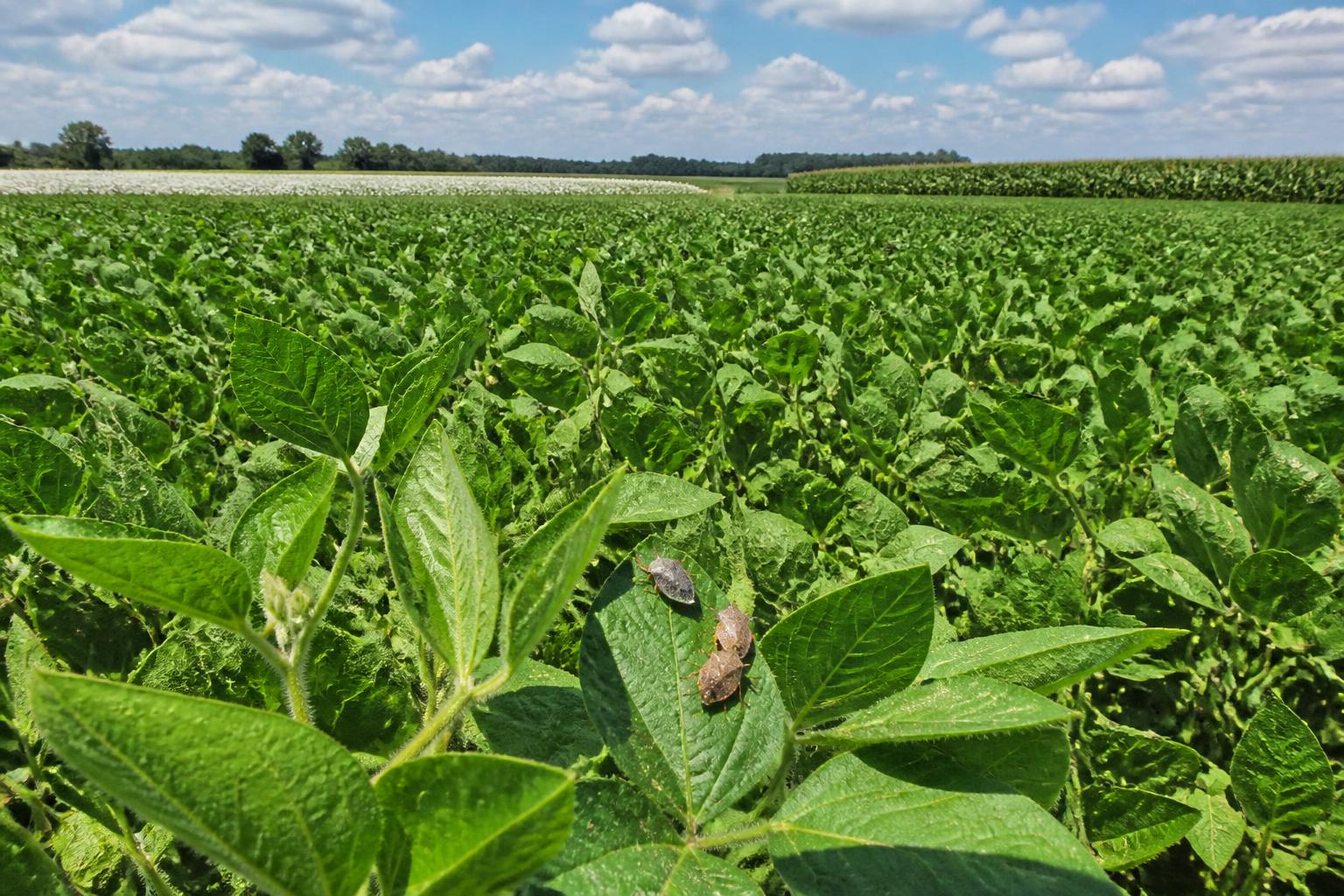
Mid-summer in Louisiana brings a familiar, high-stakes balancing act for producers across the state. As crops move through critical growth stages, field management often shifts from routine scouting to active defensive measures. With current conditions testing the resilience of local acreage, the ability to pivot on crop protection strategies remains essential for protecting the bottom line.
Targeting Persistent Pest Threats
In the soybean sector, pressure from the redbanded stink bug has remained a primary concern for growers. Effective management frequently requires rigorous field monitoring, as these pests can cause significant damage to yield and quality if left unchecked. Elsewhere, in fields where root knot nematodes are present, farmers are increasingly looking toward multi-pronged management approaches to suppress populations and minimize long-term soil health impacts.
These protection efforts occur against a backdrop of volatile weather. Recent periods of excessive rainfall in some regions have created concerns regarding the recovery of corn fields, while in other areas, extreme heat continues to challenge specialty crops. The dual pressure of moisture extremes and insect infestation highlights the importance of maintaining flexible input procurement and precise, timely application windows.
Logistics and Resource Management
The health of the local grain market is inherently linked to these on-farm management choices. As producers look to manage input costs and mitigate risk, the broader agricultural infrastructure continues to play a vital role. For those navigating current supply chains, understanding mid-summer grain logistics and the resulting market divergences is critical for move-through success. Maintaining awareness of local infrastructure constraints can help prevent bottlenecks during this high-intensity period.
Furthermore, for many across the Louisiana Delta and beyond, the focus on crop protection is bolstered by federal policy discussions. Ongoing legislative efforts aimed at improving the efficiency of federal crop insurance and disaster assistance programs are being closely watched by agribusinesses and growers alike, as these tools provide a necessary safety net when environmental factors exceed standard control measures.
What it means for the market
Effective crop protection is no longer just a technical requirement but a core component of fiscal risk management for Louisiana producers. As heat and pest variables continue to fluctuate throughout the summer, the ability to adapt to changing field conditions while monitoring shifting Gulf export bids will define success. Investors and handlers should anticipate that sustained field pressure will likely continue to influence local supply volumes and quality as the season progresses toward harvest.
Comments
No comments yet - be the first to share your take.