
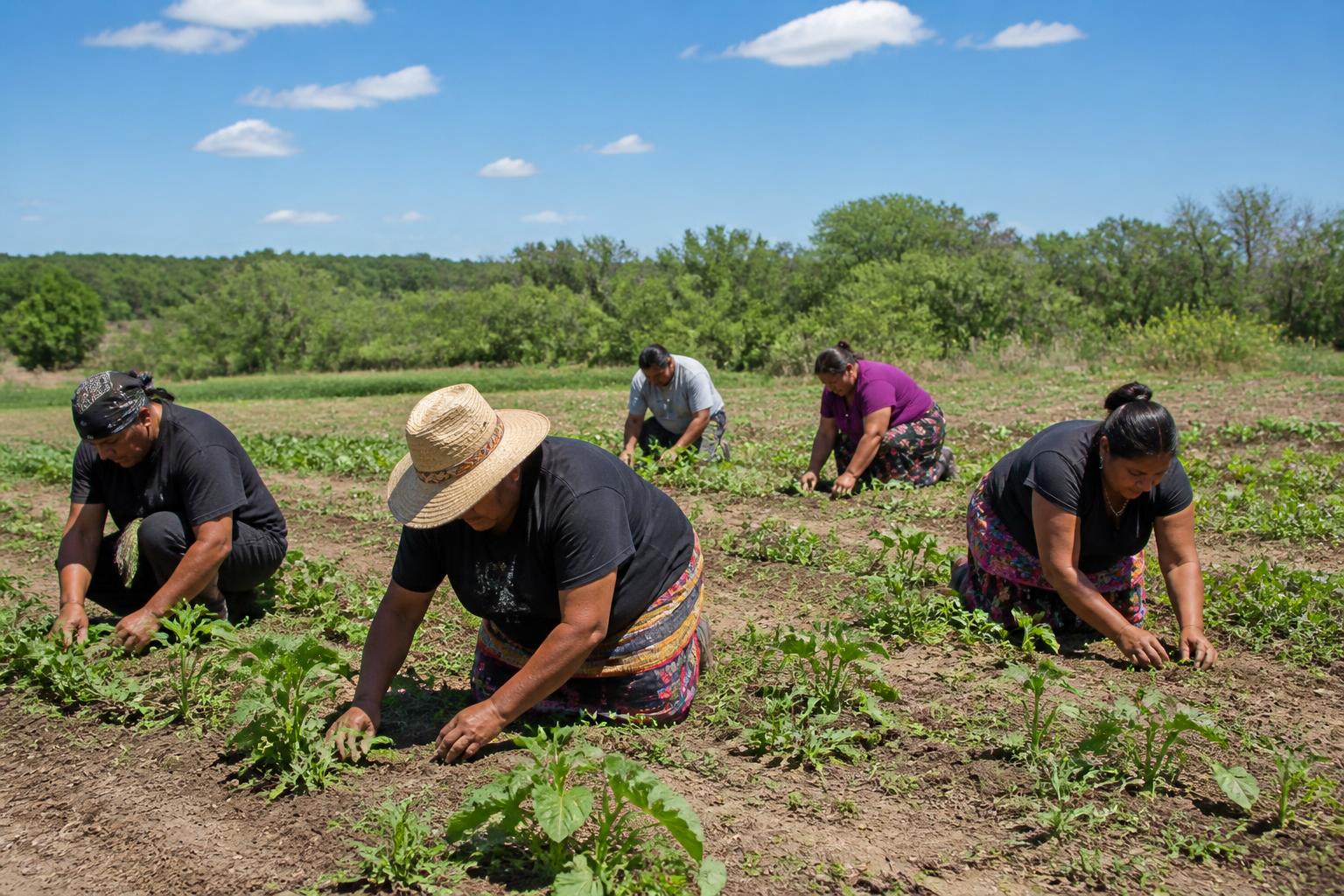
As the mid-summer growing season progresses across Rhode Island, local producers are increasingly focused on the intersection of land management and crop viability. Recent regional observations suggest a tightening landscape where the preservation of heritage crops often sits in direct tension with shifting federal support programs and rising input costs. For many growers in coastal zones and inland farm corridors, balancing traditional agricultural practices with modern economic realities remains a primary operational challenge.
Adapting Acreage and Conservation Priorities
Market signals from the broader U.S. agricultural sector, including potential shifts in corn and soybean acreage, are being watched closely by regional stakeholders. In Rhode Island, where farm scale is often smaller than in the Midwest, these national trends can manifest as localized pressures on soil health and land-use efficiency. Farmers are finding that managing land debates and climate mandates is now as critical as monitoring harvest yields or input supply chains.
Conservation initiatives, such as the protection of family farm properties, remain a key pillar for sustaining regional agriculture. Partnerships between land trusts and local agricultural centers continue to provide a framework for mitigating food insecurity, which helps stabilize the local supply chain against external market volatility. These efforts often provide a necessary buffer when broader coastal logistics and energy shifts disrupt traditional procurement patterns.
Sustainability and Policy Integration
The upcoming federal legislative landscape remains a point of intense interest for Rhode Island's agricultural community. There is a strong, ongoing conversation regarding how upcoming farm legislation might better serve local indigenous communities and heritage agriculture, particularly as existing support mechanisms face potential scaling back. For many farmers, the goal is to align their production with regenerative practices that qualify for emerging USDA support, creating a more resilient model for regional food sovereignty.
Producers should also remain mindful of the subtle shifts in pest pressures and supply chain logistics that typically emerge during the height of the summer heat. Staying ahead of these challenges requires a disciplined approach to inventory and proactive resource allocation.
What it means for the market
For agribusinesses and carriers operating in the Northeast, the focus remains on local resilience. Expect to see continued interest in land protection and a cautious transition toward crops that offer better long-term sustainability on smaller acreages. Keeping a pulse on how federal policy impacts local land-use programs will be essential for planning operations in the upcoming harvest months.
Comments
No comments yet - be the first to share your take.