
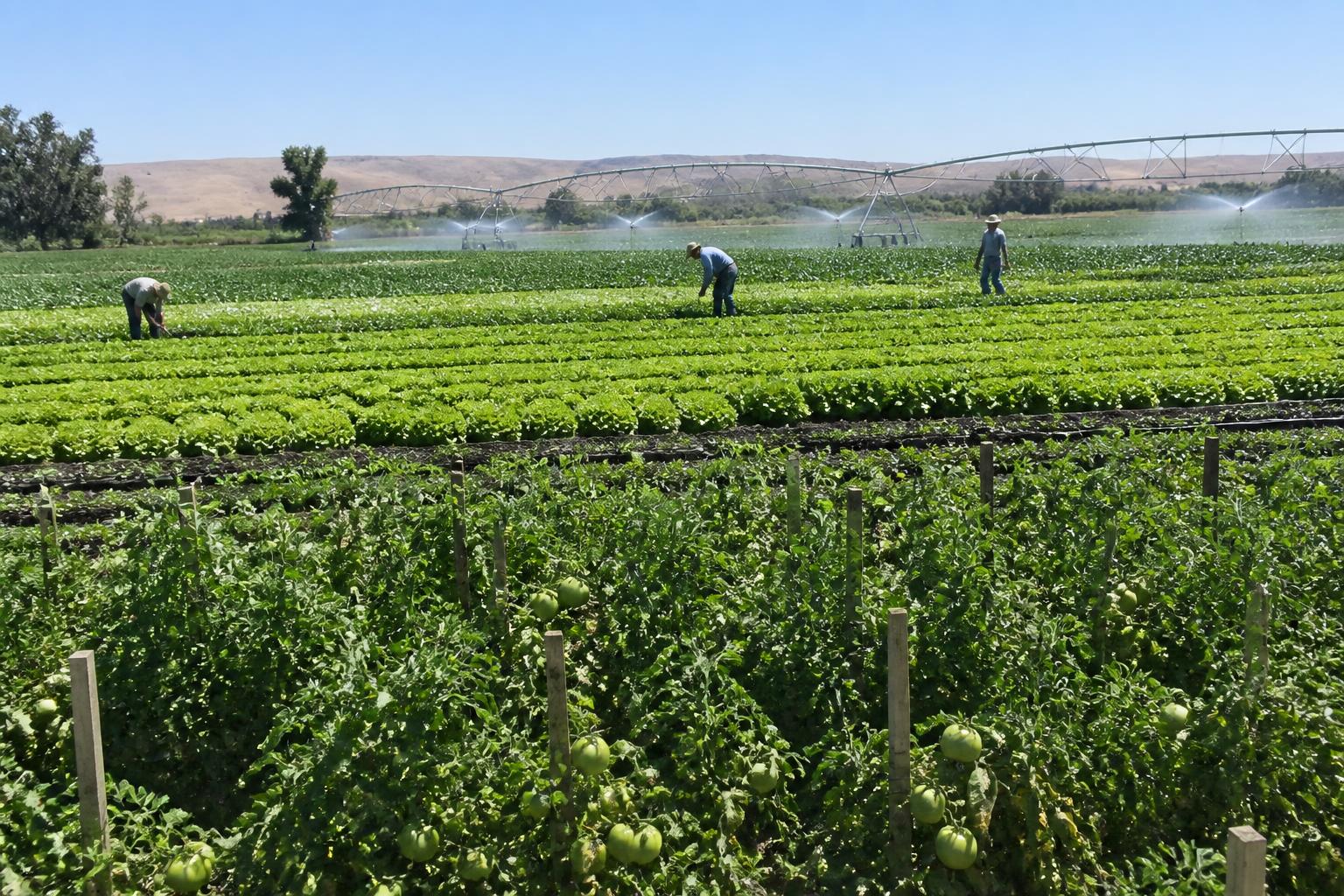
California agriculture is currently navigating a complex landscape defined by shifting regulatory requirements and persistent labor volatility. With the peak of the summer season in full swing, growers across the Central Valley and coastal regions are balancing the need for effective pest management with the necessity of maintaining operational continuity amid a tightening labor market. The intersection of these pressures is reshaping how agribusinesses approach crop protection and resource allocation.
Adapting to Regulatory and Input Shifts
As farmers look to manage their fields, the conversation around input margin pressures and regulatory compliance continues to gain momentum. Growers are increasingly exploring diverse product portfolios to maintain yields, especially as legacy chemical options face stricter scrutiny or phase-outs. The recent expansion of labels for biopesticides and biologicals serves as a practical example of this transition, offering producers additional tools to manage pressure while adhering to evolving state standards.
For those managing large-scale operations from the Salinas Valley down to the southern agricultural hubs, the focus remains on selecting products that offer both reliability and flexibility. As noted in recent updates regarding carbaryl and seasonal restrictions, staying ahead of label changes is critical to avoiding costly mid-season disruptions. Agribusinesses are advised to work closely with local crop advisors to ensure their protection programs align with current state-mandated guidelines.
The Intersection of Labor and Logistics
Beyond inputs, the stability of the workforce remains a primary concern for the season. Reports of harvest disruptions highlight the delicate nature of the current labor supply, which can affect everything from the timing of final field treatments to post-harvest handling. When labor availability fluctuates, the efficiency of logistics and harvest-time decision-making becomes a competitive differentiator for growers looking to protect their bottom line.
Integrating efficient, often automated or high-tech, monitoring tools has become a common strategy for many in the industry to compensate for these human-capital constraints. These systems not only help in pinpointing pest outbreaks but also allow for a more precise, target-oriented application of inputs, which helps to mitigate both cost and environmental impact.
What it means for the market
For California growers and input suppliers, the remainder of the summer will be defined by agility. Success will likely hinge on the ability to swap products quickly as regulations shift, coupled with an operational buffer that accounts for potential labor shortages. Businesses that prioritize high-precision application technologies and robust supply chain communication are positioned to better manage these risks, ensuring that crop health does not suffer even when external logistics or compliance requirements grow increasingly unpredictable.
Comments
No comments yet - be the first to share your take.