
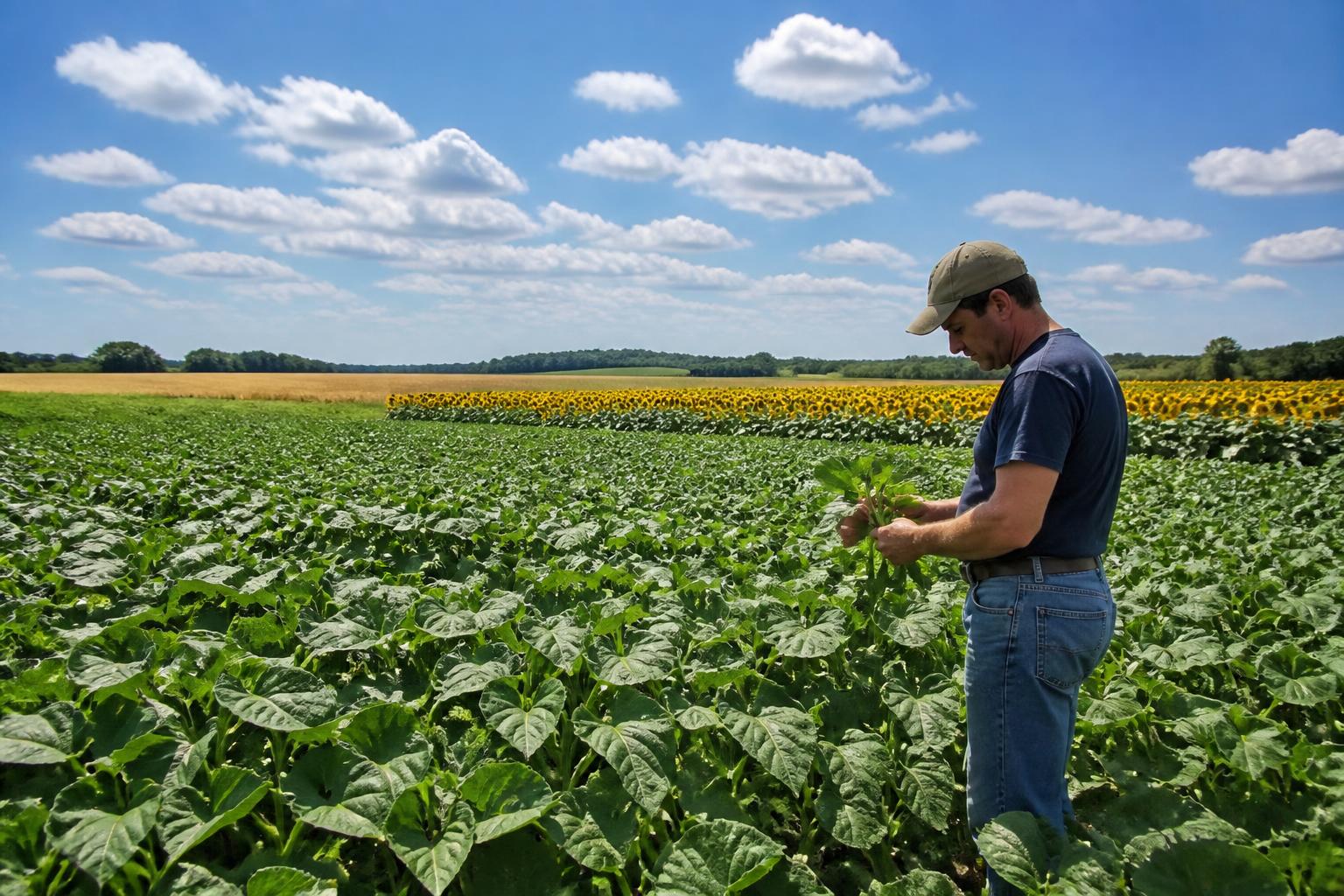
As we move through the heart of the summer growing season in Massachusetts, producers are increasingly looking for ways to manage pest pressures while balancing rising input costs and environmental stewardship. Recent developments in agricultural technology are beginning to offer more precise, targeted solutions that move beyond traditional broad-spectrum applications. Among these, new RNA-based herbicide and pesticide platforms are gaining attention for their ability to deliver localized, adaptive responses to specific crop threats.
These innovations come at a time when growers are navigating complex market pressures and seeking to optimize summer agricultural innovations. Beyond RNA technologies, researchers are exploring the role of essential oil-based nano-formulations, which may serve as effective tools against persistent regional pests. For producers managing diverse cropping systems, integrating these high-tech tools often requires a careful assessment of current soil health and local ecological conditions.
The Shift Toward Precision Protection
The transition toward more sustainable pest management often begins with diagnostics. Many growers across the state are finding that precise identification remains the cornerstone of effective protection, reinforcing the need for reliable regional testing services to avoid unnecessary chemical usage. As the industry evolves, the focus is shifting toward systems that harmonize crop health with soil microbial ecology, potentially reducing the reliance on conventional chemical interventions.
Furthermore, as climate patterns continue to influence the overwintering ranges of various pests, the industry is closely monitoring how new genomic and nanoparticle technologies might build crop resilience against abiotic stressors. These advancements are not just about managing current threats but are also aimed at long-term yield stability in the face of environmental fluctuations.
What it means for the market
For Massachusetts agribusinesses and field operators, these emerging technologies suggest a future where crop protection is more automated and data-driven. While many of these solutions are currently in developmental or early-adoption phases, they represent a significant pivot toward reducing environmental footprint without sacrificing yield. Staying informed on logistics and supply trends will be critical as these products begin to move through regional distribution channels. Ultimately, the ability to test early and adopt targeted solutions may soon become a key competitive advantage for local farms looking to manage input costs effectively.
Comments
No comments yet - be the first to share your take.