
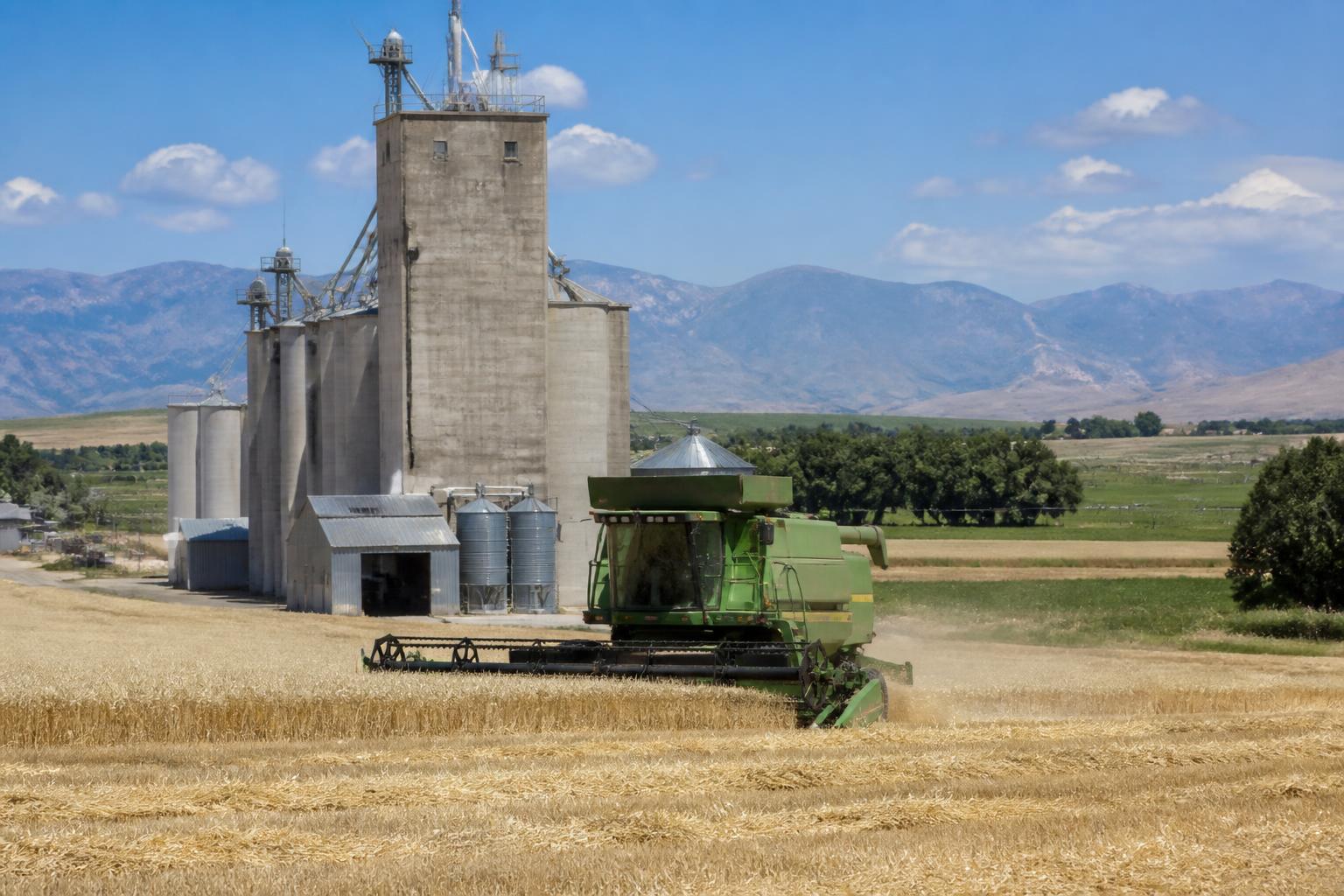
Montana producers are navigating a complex mid-summer landscape where the focus remains sharp on balancing essential crop inputs against an evolving logistics environment. As the growing season hits a critical development phase, local agribusinesses and grain handlers are monitoring the pressures on supply chains that influence the bottom line for farmers across the state. Understanding these logistical challenges is essential for navigating thin margins while maintaining productivity during peak operational months.
Input Cost Management and Market Sensitivity
Fertilizer expenses remain a primary concern for operators looking toward future planning cycles. While global market fluctuations often dictate the baseline for these inputs, local access and regional delivery stability continue to be the most immediate factors for Montana farms. Many producers are sharpening their focus on nutrient management efficiency, ensuring that every pound of fertilizer applied aligns with the specific needs of the soil and the current crop potential in their respective counties.
Infrastructure and Logistics Resilience
Logistical fluidity is a hallmark of a successful Montana harvest. Recent shifts in regional storage capacity, including the decommissioning or removal of older grain elevator infrastructure in hubs like Havre, signal an ongoing transition in how the state manages grain volumes. For growers, these physical changes in the local landscape mean that logistics and market headwinds require proactive coordination with local elevators and transport providers well before the first trucks arrive at the scales.
Adapting to Evolving Field Pressures
Beyond logistics, farmers are staying vigilant against shifting pest pressures and environmental stressors. As weather patterns fluctuate, the tools used for navigating crop protection demand careful calibration. Effective management often depends on a combination of technological adoption and traditional scouting to address threats before they compromise yield quality, especially in sensitive regions where moisture retention and heat management are paramount.
What it means for the market
For the Montana agribusiness sector, the current environment reinforces the need for agility. As infrastructure continues to evolve, producers who prioritize early communication with grain handlers and maintain a disciplined approach to input purchasing are better positioned to weather seasonal volatility. Staying informed on localized storage updates and regional transport corridors will be critical as the industry transitions from field maintenance toward late-summer harvest preparations.
Comments
No comments yet - be the first to share your take.