
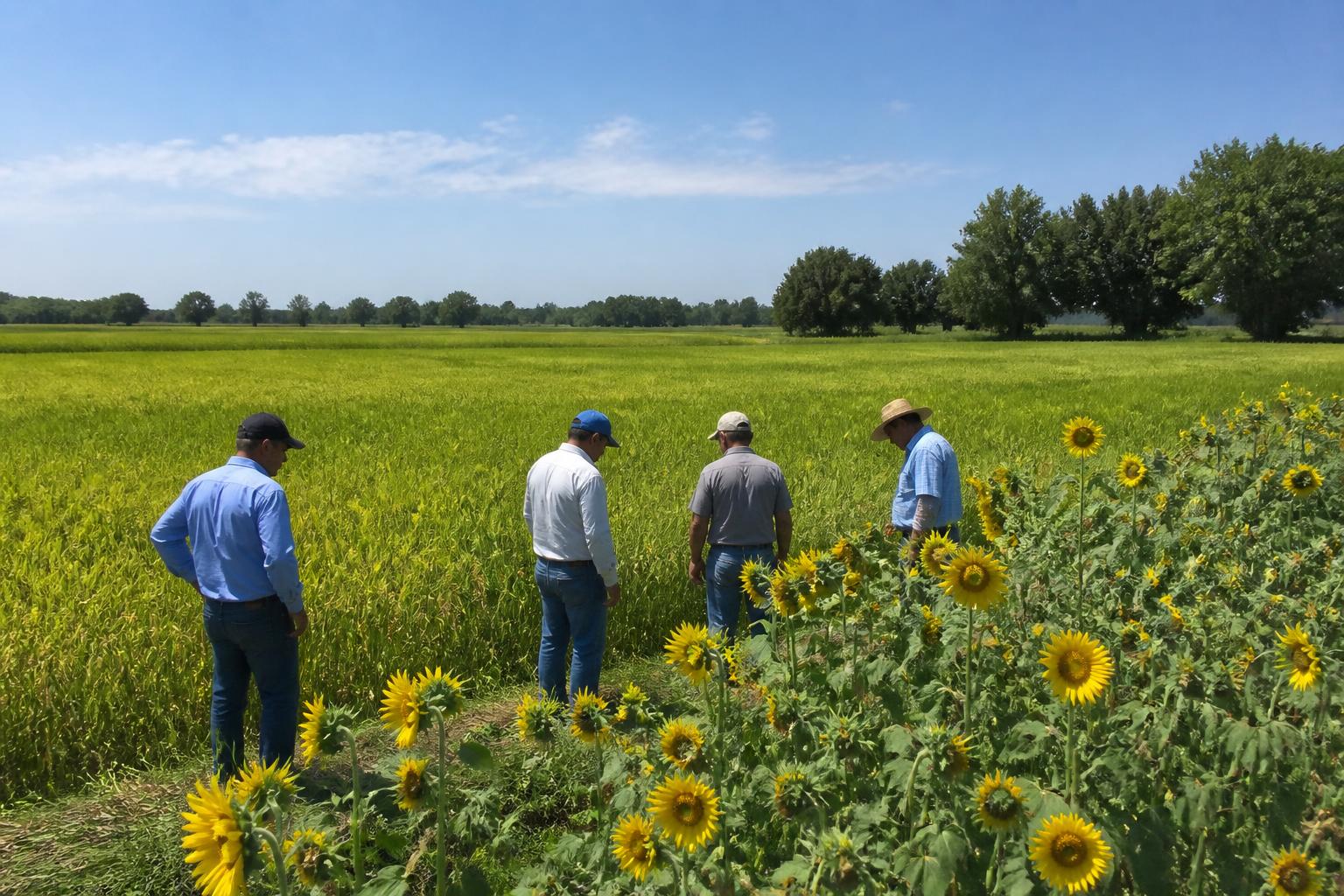
Managing Environmental Stewardship
As Maine agriculture moves through the peak of the summer growing season, producers are increasingly prioritizing soil health and land integrity. Amidst ongoing discussions regarding legacy contaminants like PFAS, many farmers are proactively engaging with research initiatives aimed at identifying and mitigating soil risks. This focus on environmental protection is becoming a cornerstone for long-term operational resilience, particularly as the state emphasizes cleaner agricultural outputs.
Building Resilience Through Informed Practices
Maintaining high-quality acreage requires constant vigilance, from monitoring soil inputs to managing specialized crop protections. For many in the region, this means aligning with updated safety standards that support specialty crop safeguards and ensure that soil quality remains suitable for both traditional and organic production. By leveraging current research grants, growers are gaining better insights into how historical land use impacts modern farming, allowing for more strategic decision-making throughout the summer crop cycle.
The Path Forward for Maine Producers
The transition toward more transparent and sustainable land management is reshaping how agribusinesses approach their supply chains. Whether you are focused on grain production or diversified specialty crops, understanding the local context of soil safety is essential for maintaining market access. Many regional growers are finding that investing in rigorous testing and data-driven management leads to more stable outcomes, reinforcing the importance of resilient crop protection strategies in maintaining Maine's agricultural reputation.
What it means for the market
For the Maine agricultural sector, the current emphasis on soil health and contamination mitigation represents a shift toward higher-standard production. While these measures require diligent attention, they ultimately serve to protect the long-term value of farmland and enhance consumer trust in locally produced goods. Farmers who stay ahead of these trends by utilizing available research and adopting best practices in soil management are positioning their businesses to better withstand future regulatory and market volatility.
Comments
No comments yet - be the first to share your take.