
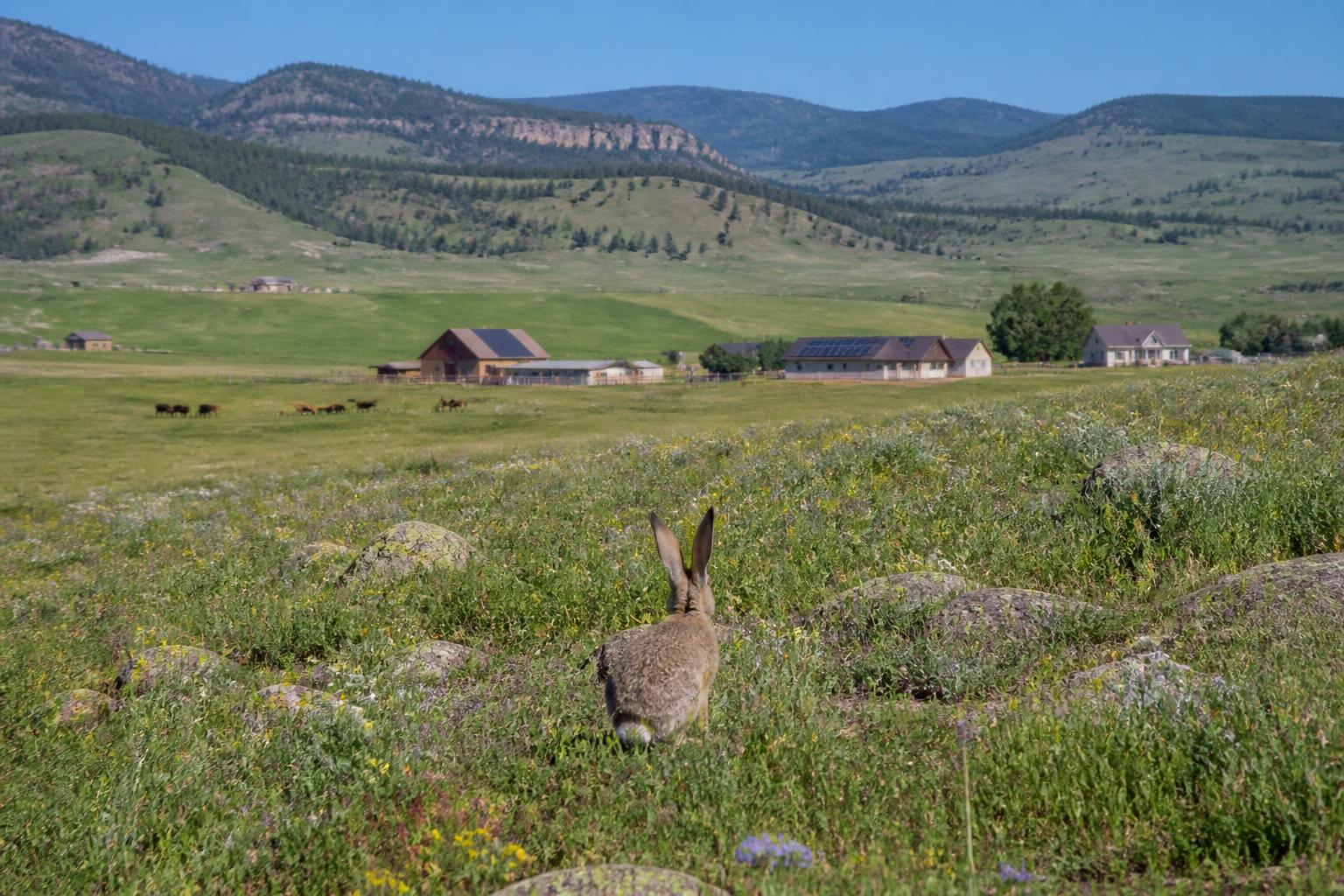
Mid-summer in Wyoming brings a distinct set of priorities for the state's agricultural community. With the season now in full swing, operators are balancing routine field maintenance with long-term strategic planning. Whether managing rangeland health or assessing soil productivity, producers are increasingly focused on stability and resource optimization.
For those managing soil quality, staying current on best practices remains a priority, particularly as educational efforts focus on addressing the complexities of alkaline soil management in regional fields. This focus on long-term sustainability often overlaps with evolving land use patterns. Industry observers have noted that interest in agricultural land remains robust, with strategic ranch and farm acquisitions continuing to draw interest from both legacy families and outside investment entities.
Resource Management and Market Diversification
Beyond traditional grazing and crop output, the integration of new technology and land management tools is becoming more common. Producers looking to optimize their operational footprint may consider how various capital-intensive projects, including those focused on balancing conservation goals with seasonal climate risks, impact their bottom line. The conversation around land utility is expanding, as producers evaluate the trade-offs between conventional expansion and the adoption of modern, controlled-environment, or diversified infrastructure.
What it means for the market
The current market environment suggests a measured approach toward both capital expenditure and land stewardship. For agribusinesses and producers alike, the ability to adapt to regional soil conditions while keeping a close watch on shifting land values will likely remain a key indicator of competitive resilience throughout the remainder of the summer season.
Comments
No comments yet - be the first to share your take.