
Vermont's agricultural sector remains a study in adaptation as producers balance traditional operations with evolving environmental and economic mandates. From the Champlain Valley to the rolling hills of the Northeast Kingdom, farm businesses are increasingly looking toward diversified production and regenerative growth to maintain viability in an uncertain climate. Whether managing legacy dairy operations or exploring emerging niche markets, the need for robust management systems has never been higher.
As input costs fluctuate, the focus on efficiency has prompted a closer look at field-level management. Precision technology continues to play a vital role, helping farmers optimize resource allocation. While large-scale equipment innovations often capture headlines, the integration of resilient crop management practices remains the backbone of successful state operations, particularly when addressing nutrient runoff and soil health objectives.
Technology and Resource Efficiency
For those managing intensive cropping cycles, technology is serving as a critical bridge. New steering and implement solutions are helping reduce fuel consumption and material waste, allowing for tighter control over inputs during sensitive growing phases. This is particularly relevant as producers grapple with volatile fertilizer markets that challenge bottom-line margins throughout the summer season.
The Future of Local Production
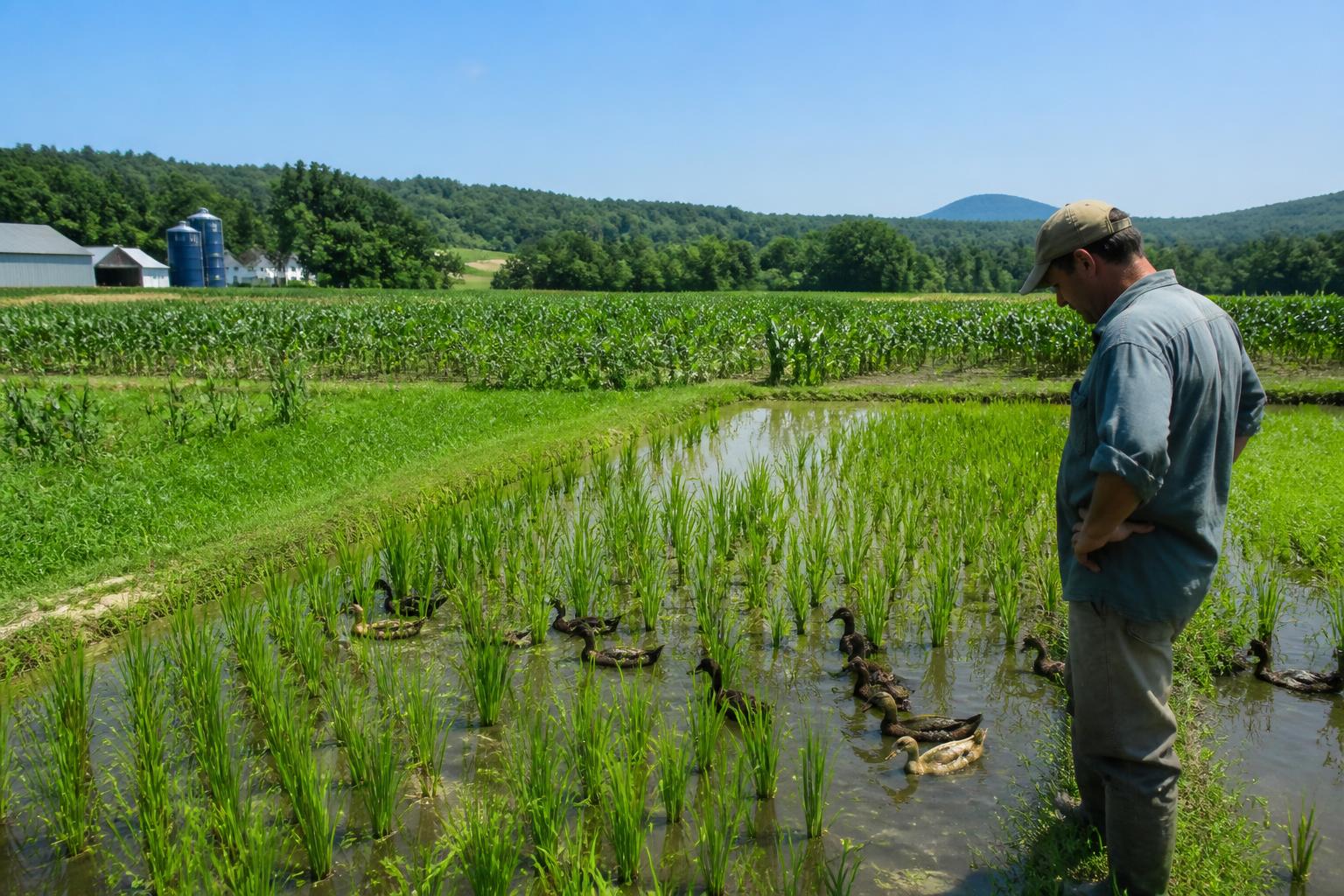
Beyond traditional commodities, Vermont agriculture is seeing a rise in specialized efforts, including experimental practices like duck rice farming, which highlight the state's potential for high-value diversification. Supporting these transitions are state-level grants, often directed toward farm-to-school initiatives that shorten supply chains and bolster local food security. These efforts are not merely about food production but are integrated strategies designed to keep Vermont's rural economy resilient.
What it means for the market
For grain handlers, input suppliers, and carriers, the takeaway is clear: the demand for high-efficiency, sustainable solutions is growing. As farmers shift toward more diverse and technologically enabled systems, providers that can offer modular, scalable support will likely see increased engagement. Expect regional logistics to remain tight as harvest-related transit picks up, and prioritize long-term partnerships over short-term transaction models to build trust within the local agricultural community.
Comments
No comments yet - be the first to share your take.