
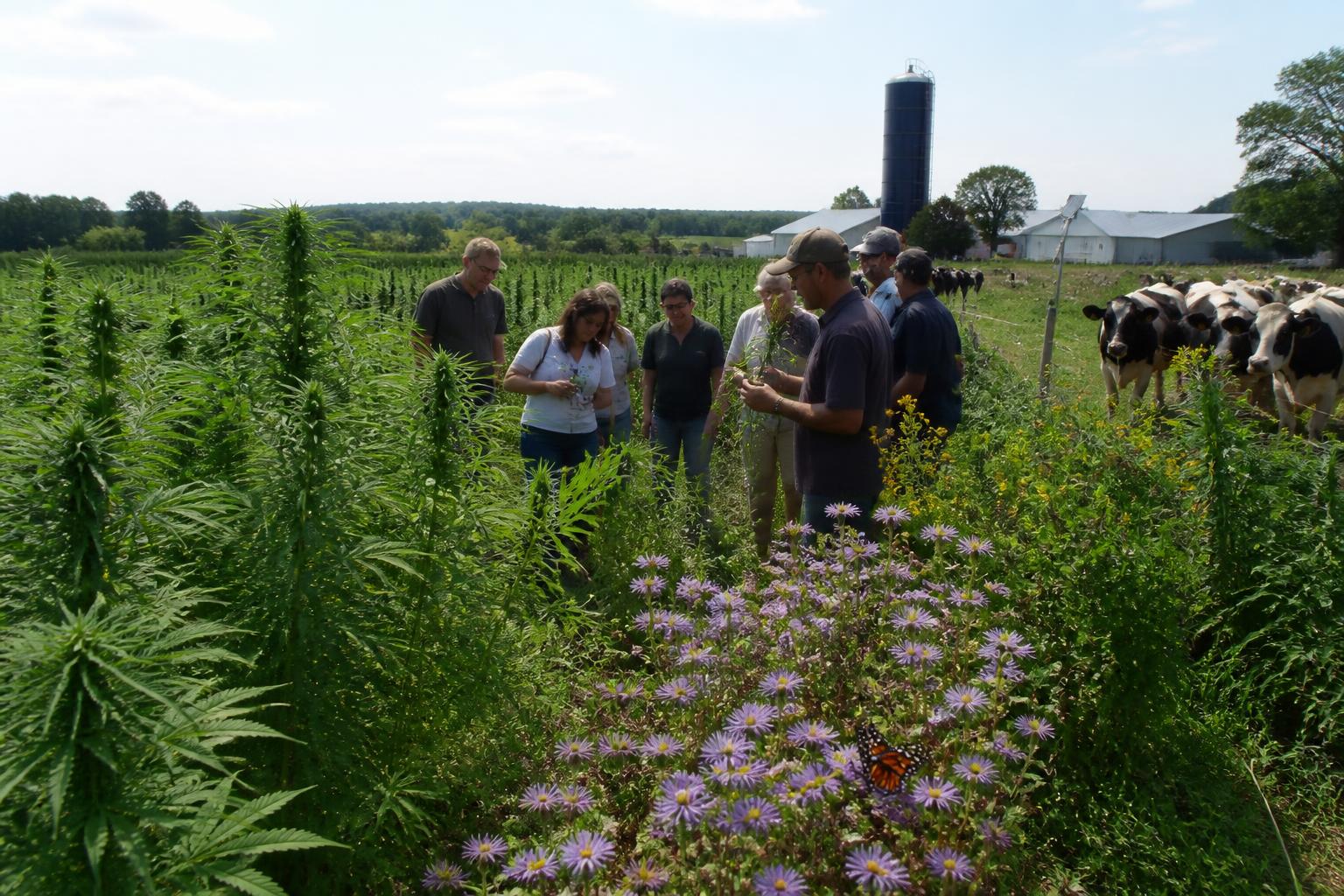
As Wisconsin producers move deeper into the mid-summer growing cycle, the focus across the state is shifting toward more sustainable and precise crop protection strategies. From the dairy operations in central counties to the grain-heavy fields of the eastern corridors, farmers are balancing immediate pest pressures with long-term land stewardship.
Increasingly, growers are evaluating their reliance on traditional inputs. Researchers at UW-Madison are actively exploring more targeted alternatives to conventional pesticides, aiming to provide a more precise approach to field health. This shift in methodology is occurring as producers encounter diverse challenges, including the emergence of invasive species like the brown marmorated stink bug, which can pose risks to both residential areas and commercial crops. For those interested in how these regional pressures affect broader field management, our recent market update offers a detailed look at navigating current operational hurdles.
Collaborative Conservation and Legislative Support
Watershed protection remains a central theme this summer, with state initiatives continuing to support producer-led groups. These programs encourage farmers to share data and implement best management practices across municipal boundaries, building on a foundation of local conservation leadership. In many areas, the recognition of outstanding stewardship—such as the recent Leopold Conservation Award granted to a Waupaca-based dairy and grain operation—highlights the growing importance of integrated land and water management.
Meanwhile, the regulatory landscape is evolving. State leadership has expressed interest in strengthening the local hemp sector and pushing for federal legislative action that could clarify industry standards. Growers are also closely monitoring how potential shifts in federal policy, including the Farm Bill, might influence resource access. For more insights on balancing these environmental and productivity goals, read our analysis on how producers are prioritizing soil and water health while maintaining operational viability.
What it means for the market
For agribusinesses and input suppliers, the trend toward precise, targeted protection implies a steady demand for specialized technology and diagnostic services. As farmers look to optimize their chemical footprint and participate in grant-supported conservation programs, there is a clear opportunity for firms that can provide data-driven solutions. Keeping a pulse on how these logistical and environmental pressures influence field-level decisions will be essential for those looking to support Wisconsin's producers throughout the remainder of the season.
Comments
No comments yet - be the first to share your take.