
Mid-summer in Maine brings critical windows for crop development and field management. As we move through the heat of July, producers are reminded that monitoring soil health and plant nutrient levels remains a top priority to ensure consistent output across the state's diverse agricultural landscape. Whether operating in the rolling fields of Aroostook County or smaller operations near Livermore Falls, mid-season vigilance can be the difference between a productive harvest and unexpected quality issues.
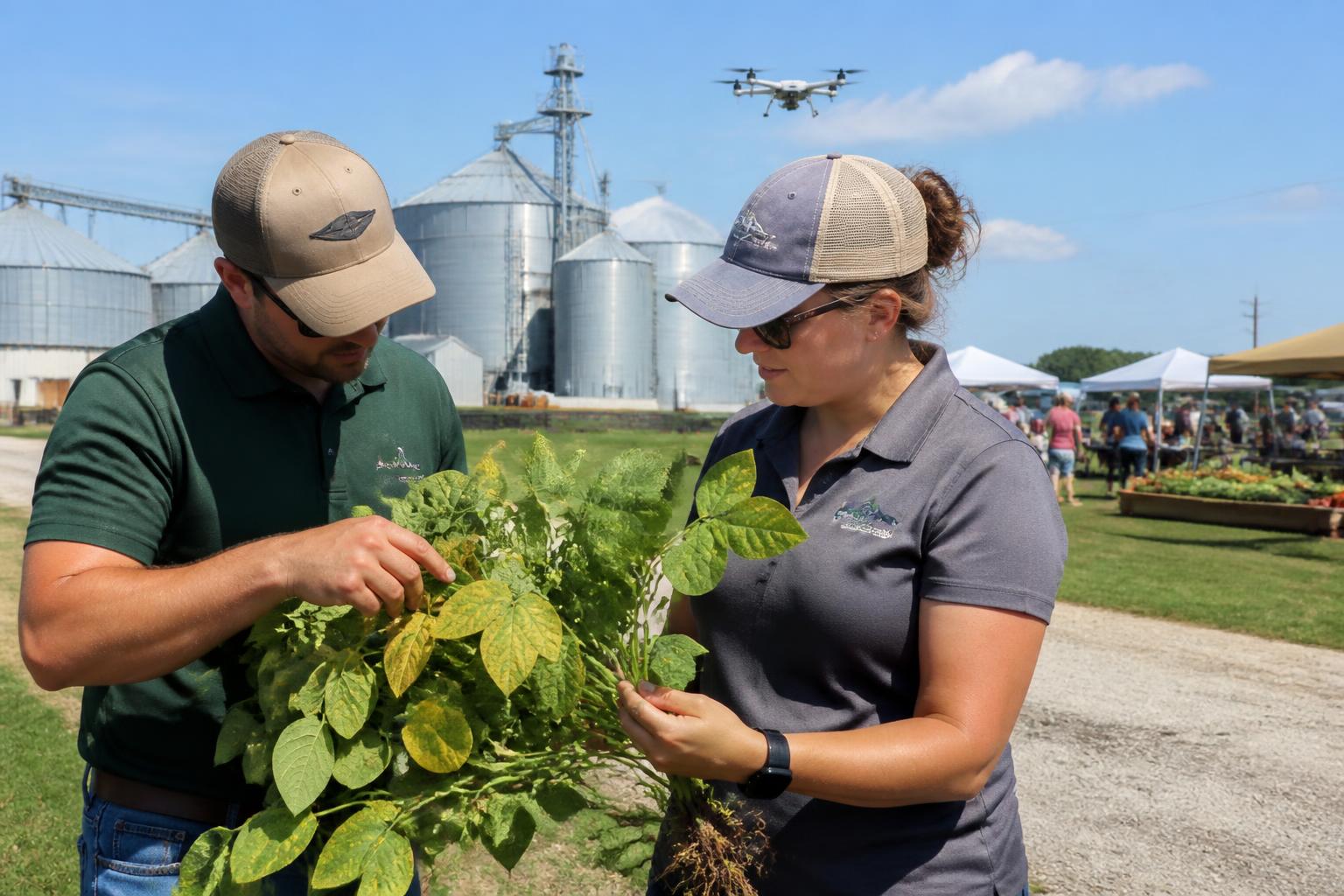
Reports from across the region highlight the importance of scouting for specific nutrient gaps. For example, some producers have observed signs of potassium deficiency in soybean stands, which can hinder plant development during these high-growth weeks. Keeping a close eye on leaf health and soil moisture levels is essential, especially as mitigating soil health risks continues to be a central concern for land stewardship in Maine.
Refining Mid-Season Operational Efficiency
Efficient resource management is often about planning for the next phase while maintaining the current one. Many farmers are currently leveraging data from silage production to better understand their feed quality and storage requirements for the coming winter. Beyond internal metrics, the integration of new technologies and adaptive practices remains a staple for Maine agribusinesses looking to navigate rising operational hurdles. Staying proactive with equipment maintenance and logistical planning now can prevent bottlenecks when the harvest rush finally arrives.
What it means for the market
For grain handlers and agribusinesses, the current period represents a strategic window to solidify input supply chains and refine storage capacity. While immediate market volatility remains a constant, producers who prioritize crop health and data-driven management are better positioned to weather seasonal fluctuations. Maintaining a clear view of field conditions today helps stabilize the supply chain for regional markets and local distributors as we move closer to the fall transition.
Comments
No comments yet - be the first to share your take.