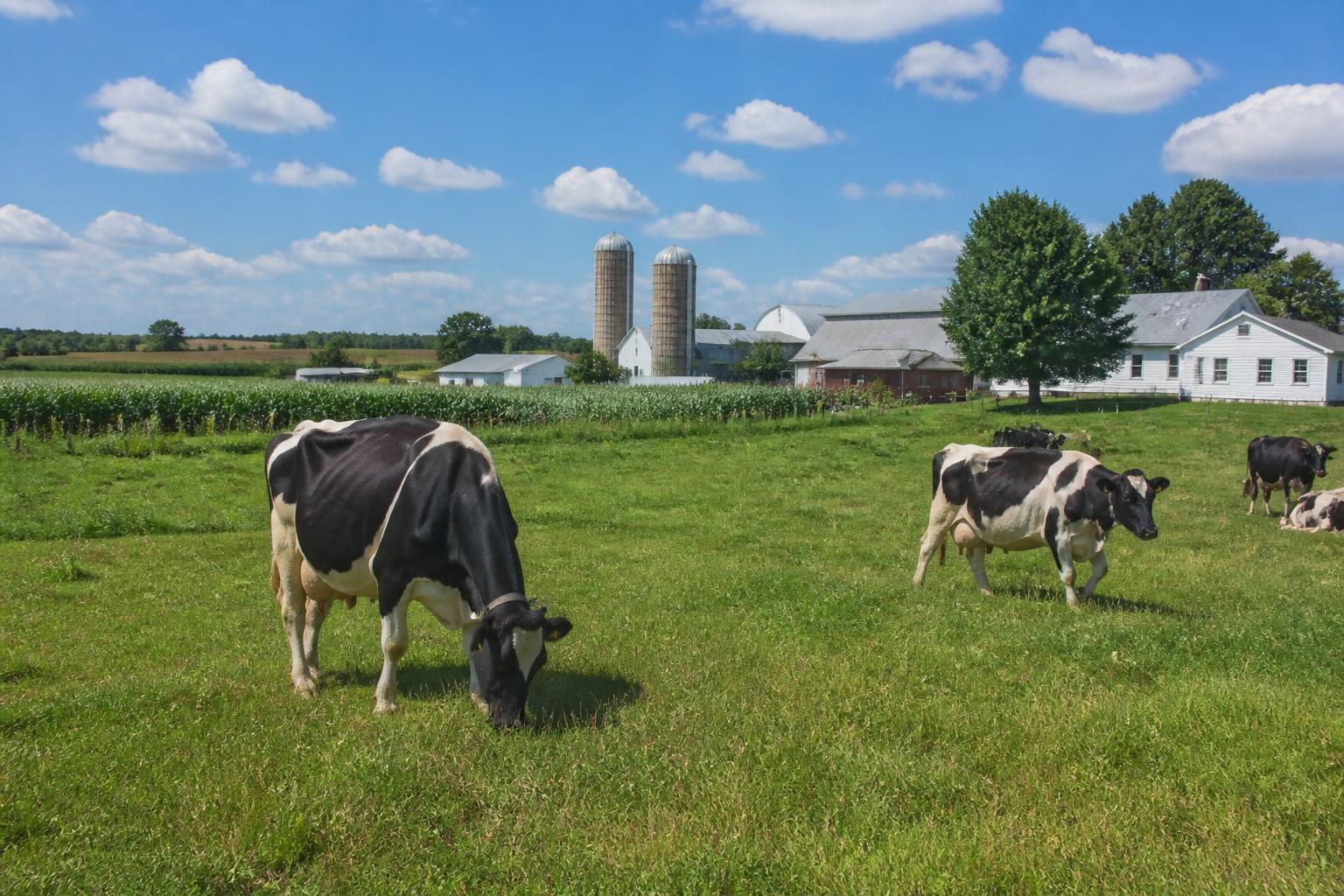
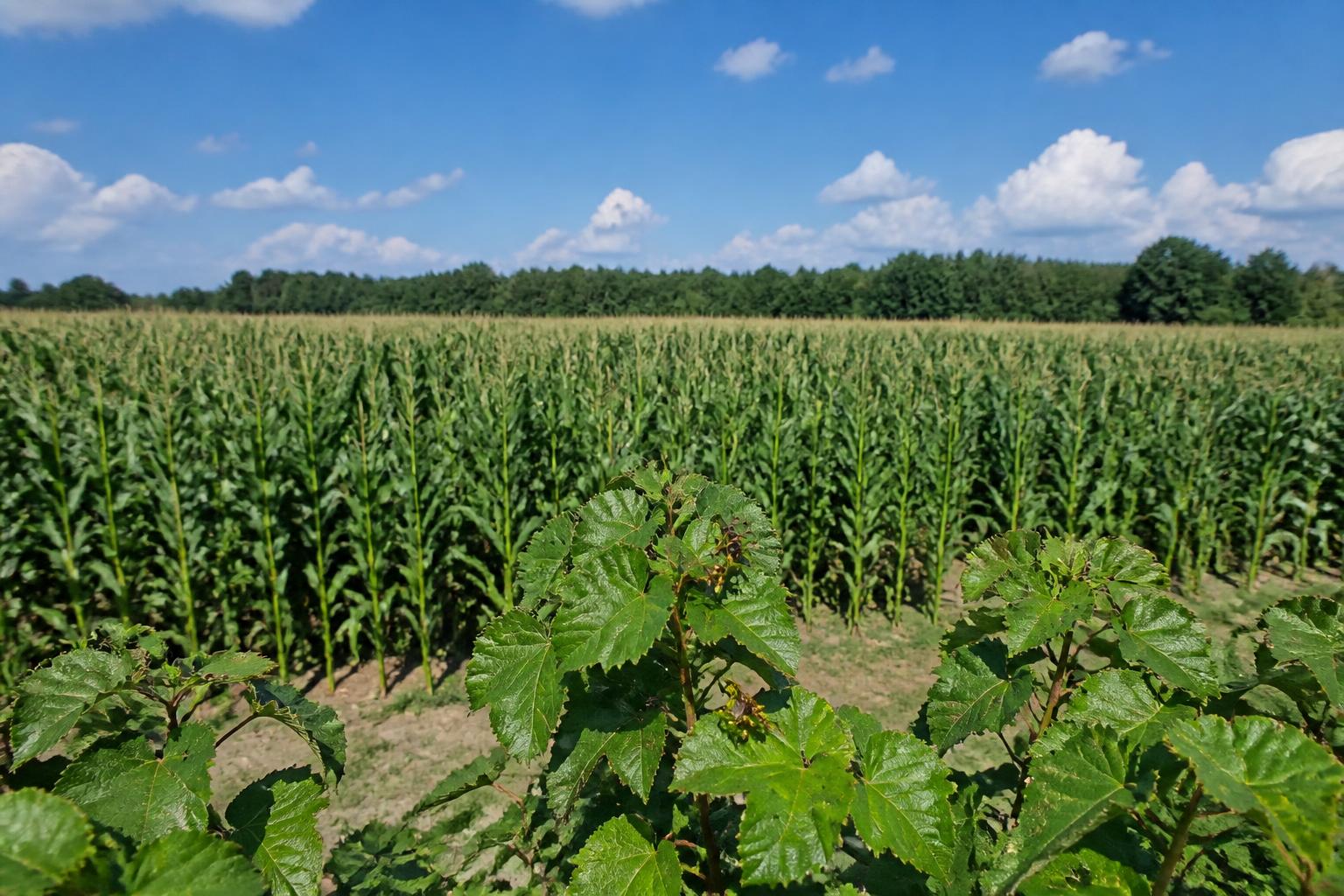
Managing Pests and Weather Volatility in South Carolina Fields
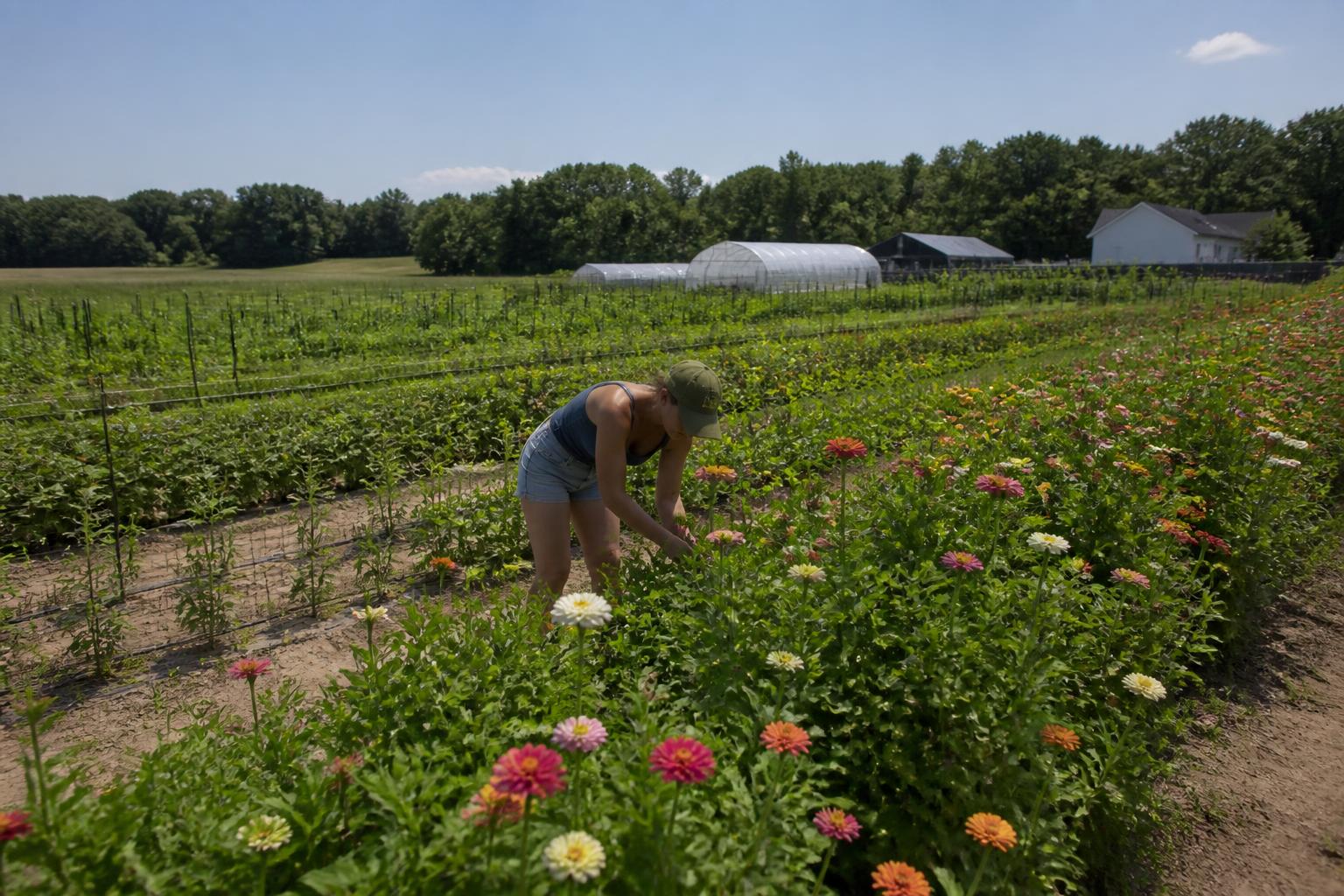
South Carolina producers face ongoing challenges from localized weather disruptions and persistent pest pressures as the summer season progresses.
We collect original digests and analytical notes based on facts, market signals and verified sources.
As Oklahoma producers navigate a complex fall season marked by recent USDA payments and environmental risks, the industry remains focused on balancing immediate fiscal support with long-term operational resilience.
South Carolina producers face ongoing challenges from localized weather disruptions and persistent pest pressures as the summer season progresses.
As August brings peak summer operational demands, Wisconsin farmers and agribusinesses face localized logistical hurdles that require careful planning for grain and supply movement.
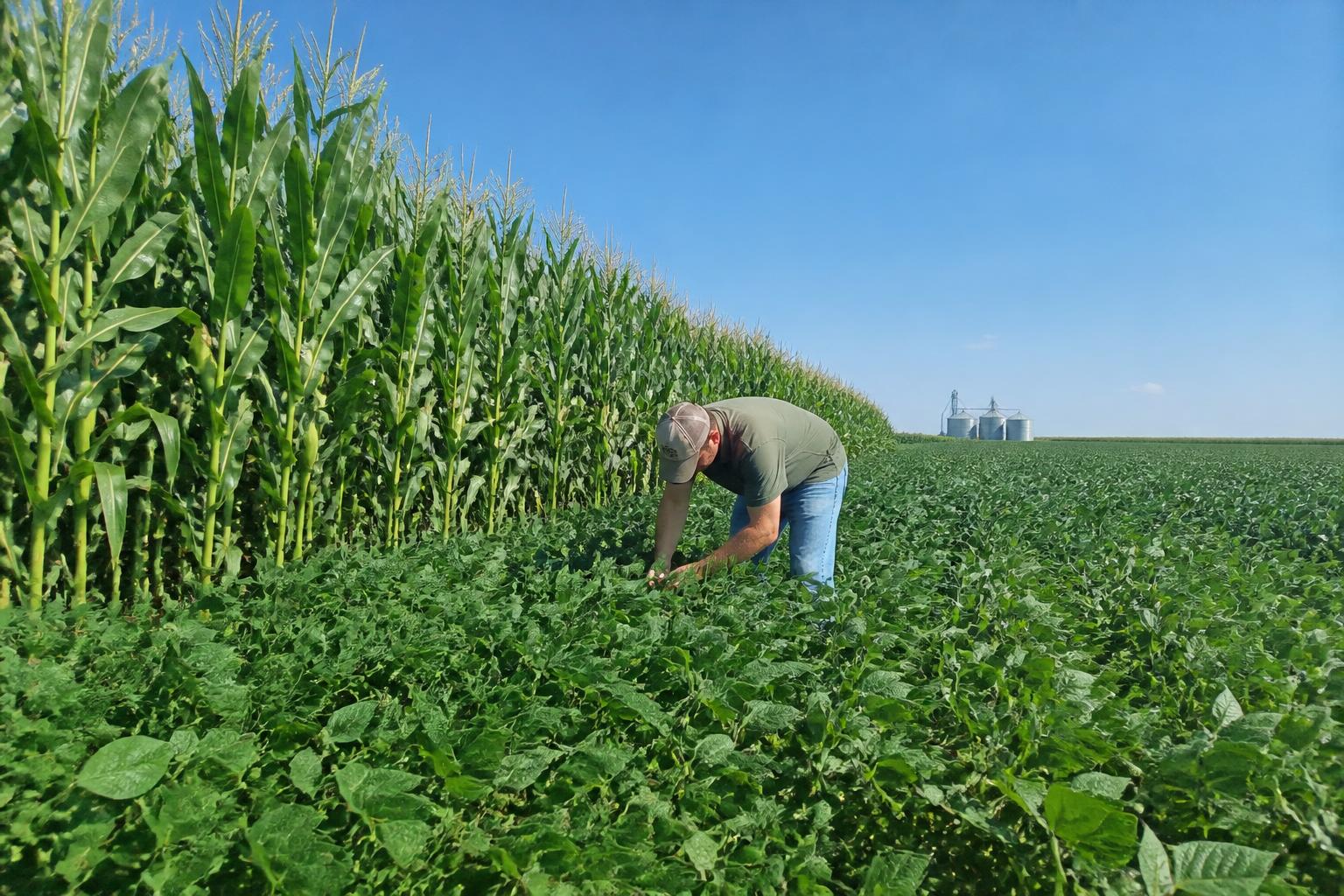
As late-summer field pressures mount across Nebraska, growers are reminded of the importance of diligent crop protection management and minimizing off-target herbicide drift.
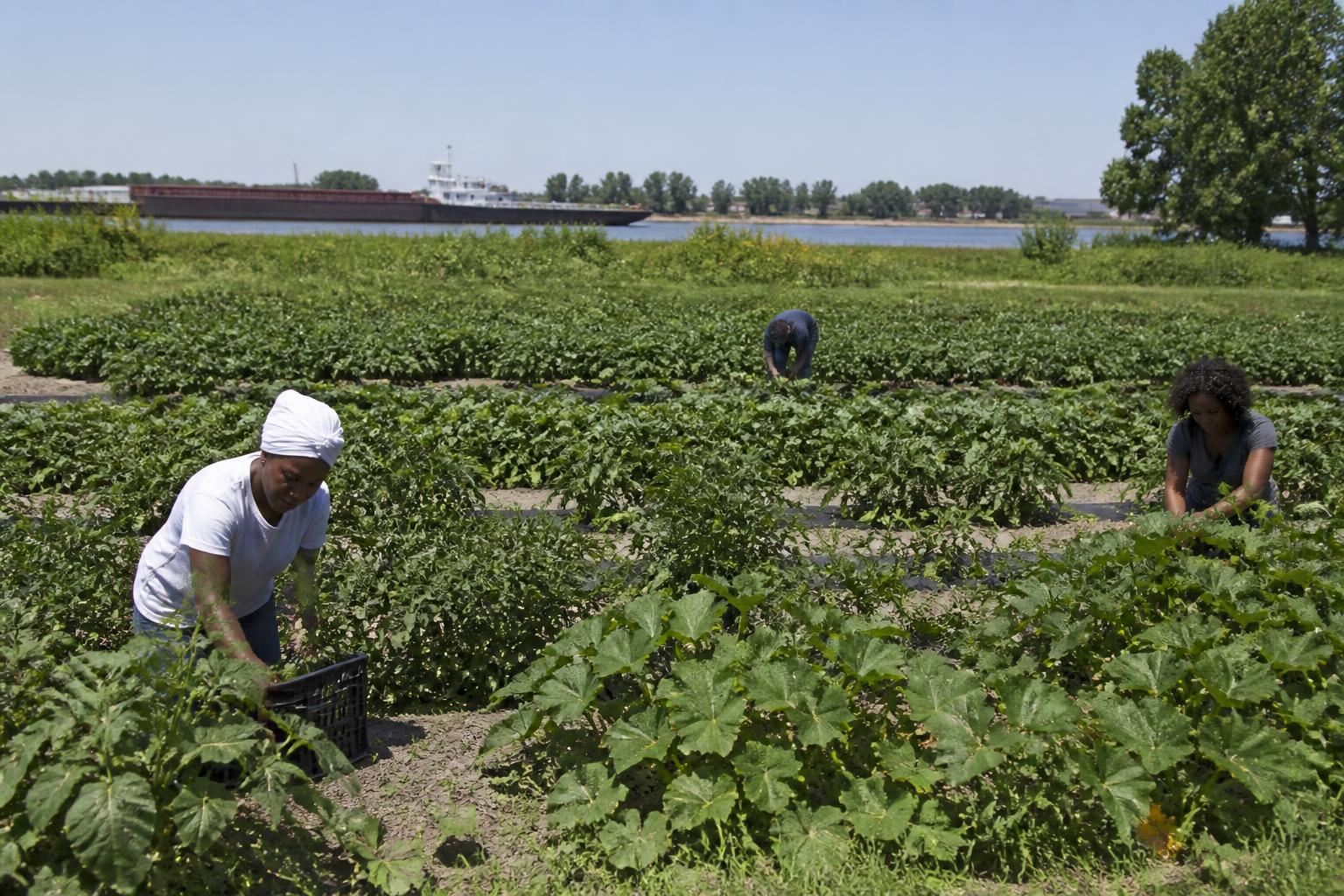
As Louisiana producers navigate a complex late-summer landscape, infrastructure reliability and shifting export conditions remain at the forefront of operational planning.
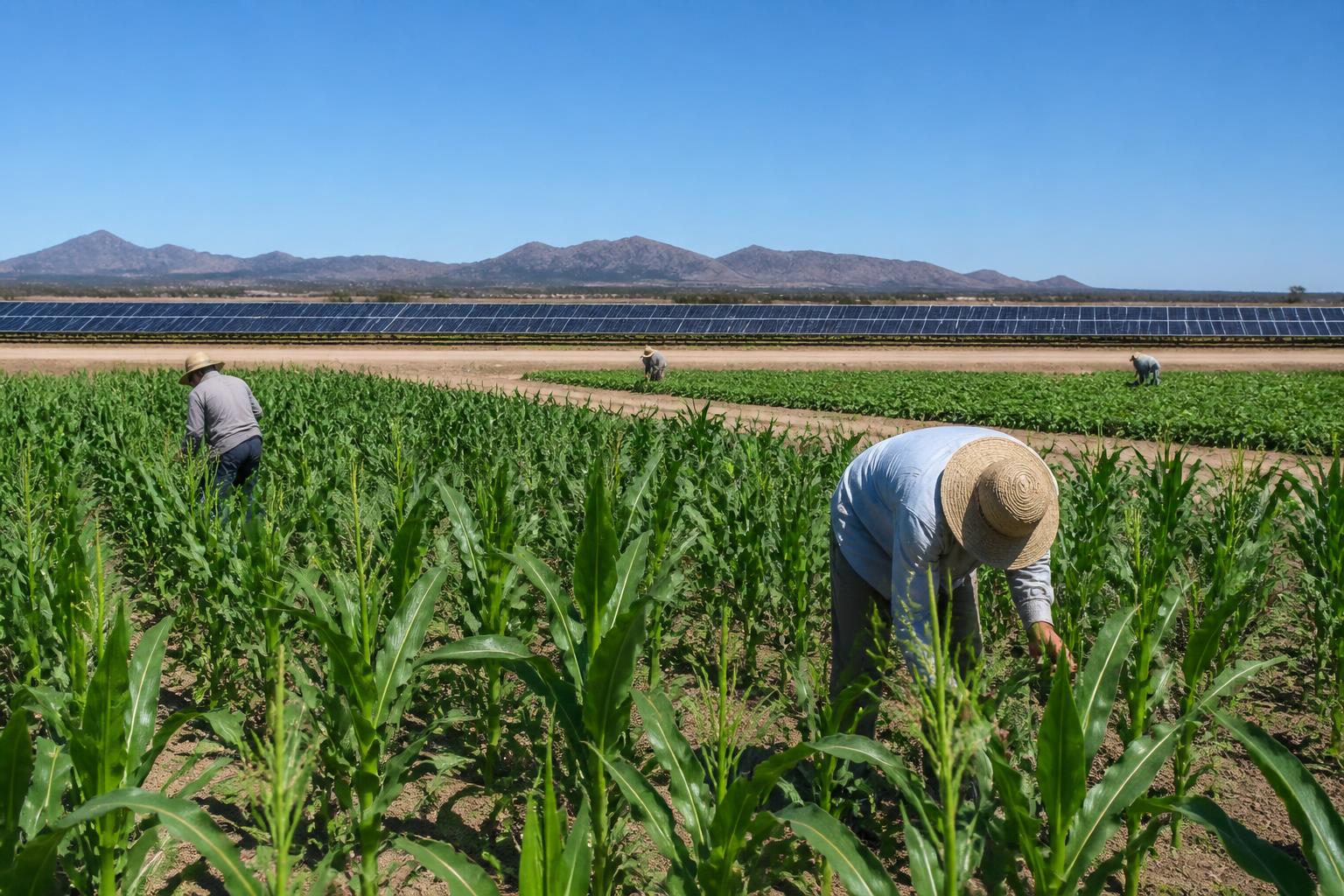
Arizona producers face mid-summer challenges ranging from invasive pest incursions to ongoing irrigation management, necessitating a proactive approach to crop protection and resource allocation.
Nevada producers face evolving supply chain pressures this summer, from navigating localized resource distribution to monitoring broader equipment and crop protection trends.
As summer operations peak across Indiana, farmers and agribusinesses are navigating regulatory landscapes, infrastructure management, and evolving grain trade standards.
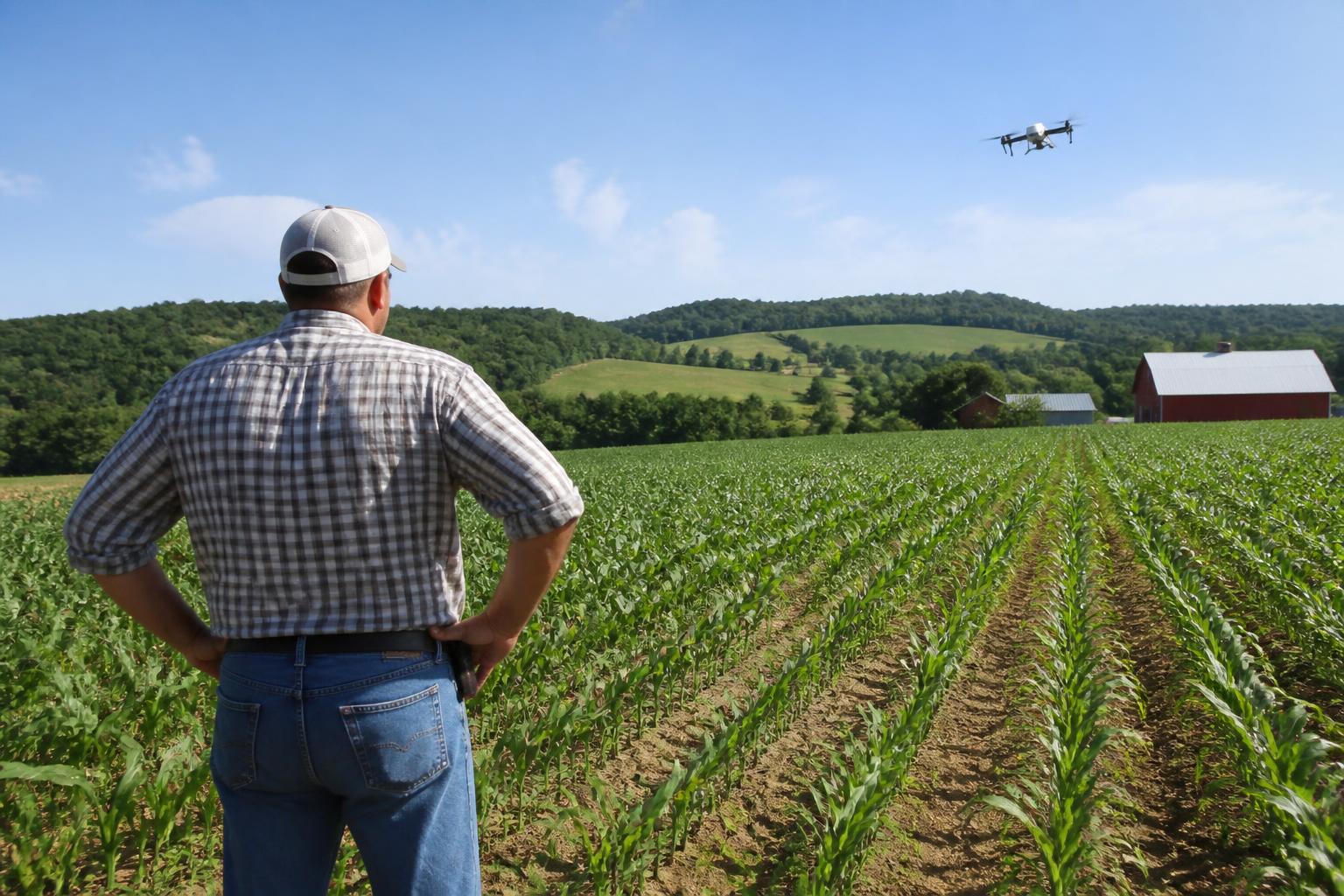
As Kentucky producers navigate the mid-summer heat, focus shifts toward precision pest management and long-term crop protection strategies amidst evolving environmental pressures.
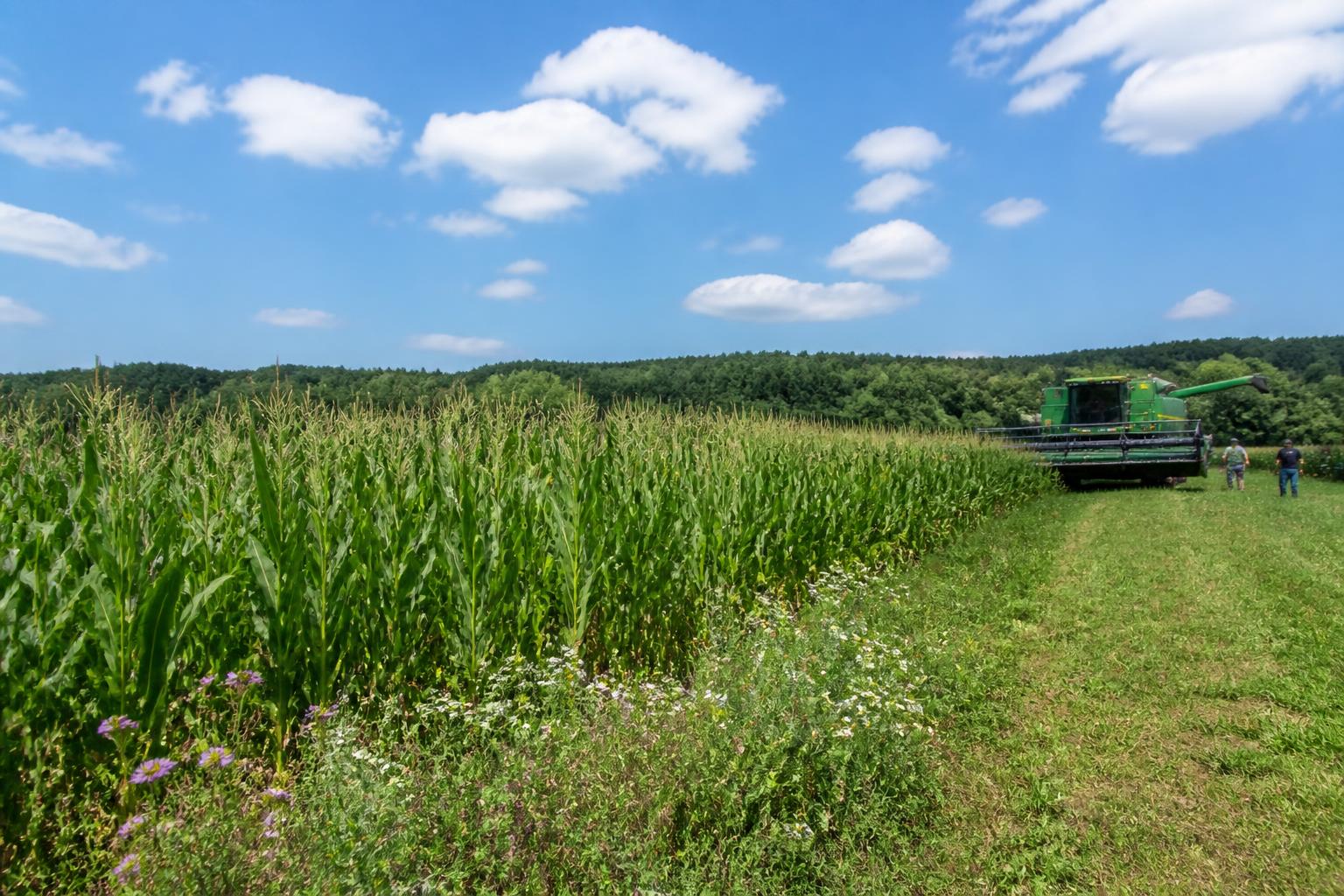
Vermont producers are adapting to rising input costs and complex environmental challenges as the summer harvest season progresses across the state.
As Missouri producers move through late summer, persistent moisture in some fields is prompting concerns over root rot while regional ag operations focus on labor and tech efficiency.
As Alabama's agricultural season progresses through the summer, producers and agribusinesses are navigating shifting labor landscapes and evolving regional market challenges.
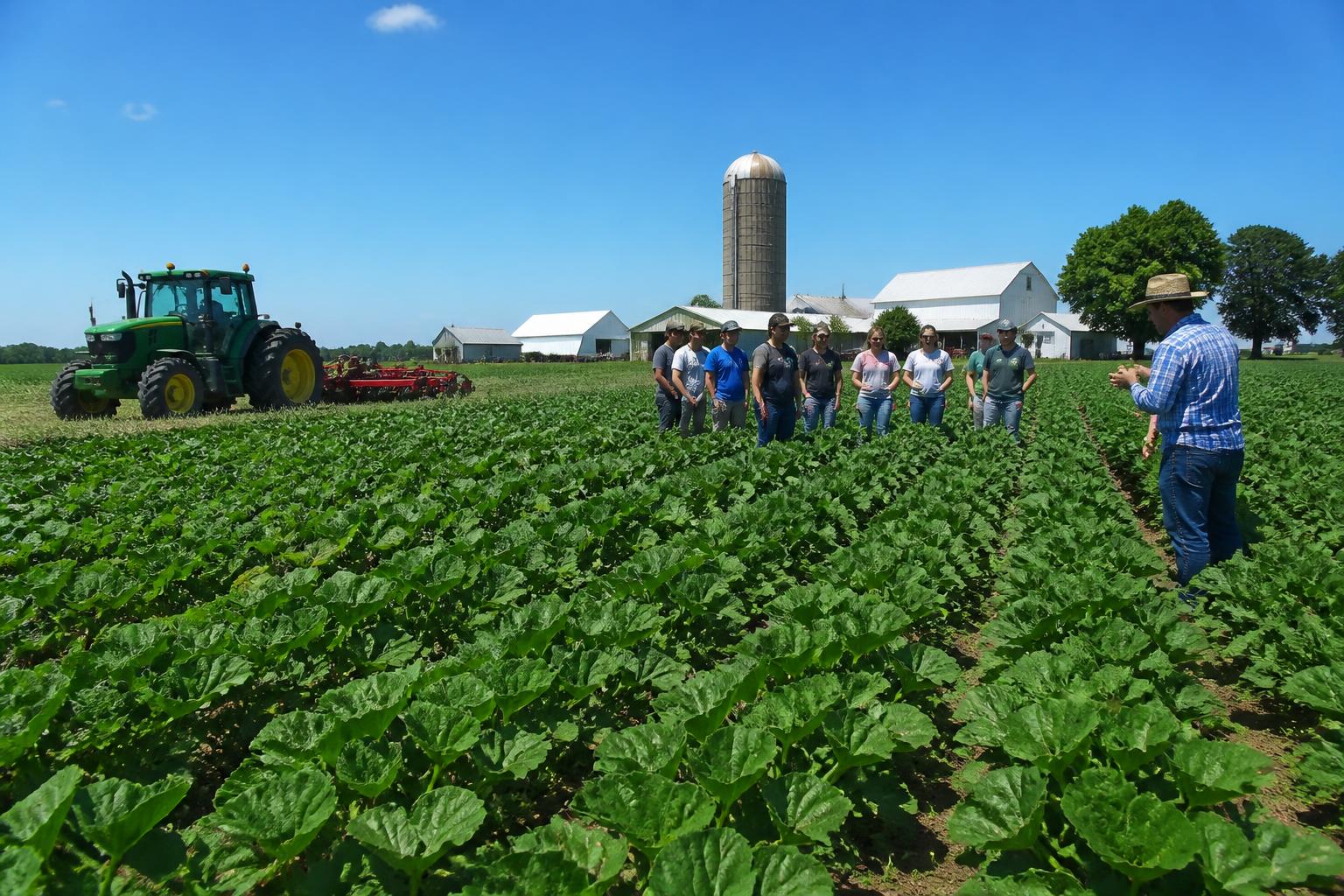
As Delaware producers navigate the late summer cycle, the emergence of tar spot requires heightened vigilance and proactive field management to protect yield potential.
Sign in to manage requests, save contacts and respond to market offers quickly.
Continue with Google Continue with MicrosoftSign in to manage requests, save contacts and respond to market offers quickly.
Continue with Google Continue with MicrosoftEnter your email and we will send a password reset link.
Don't have an account?
We value your privacy
We use cookies to run the site and, with your consent, to measure traffic (Google Analytics) and personalize ads. You can accept, reject, or choose. Privacy Policy