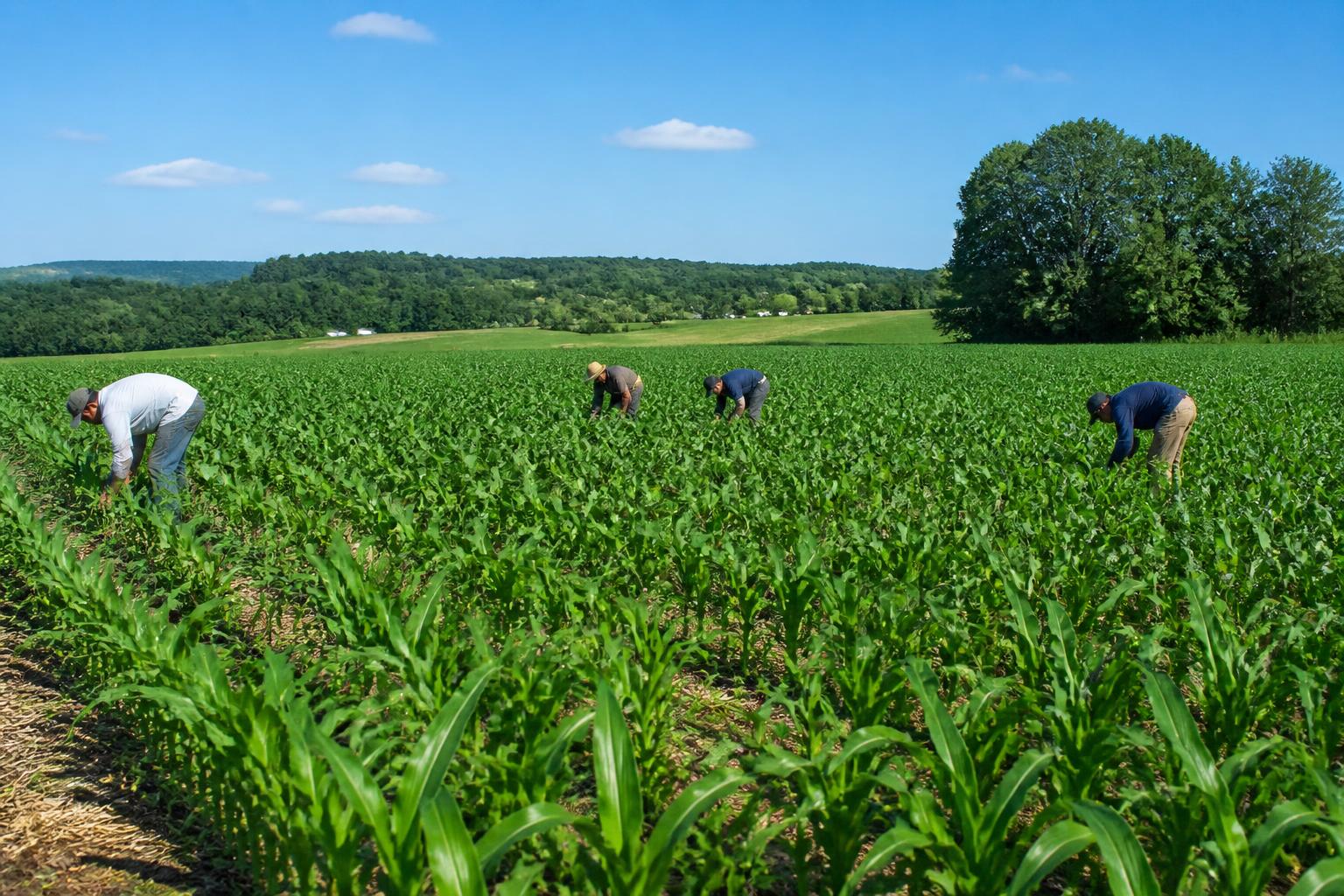
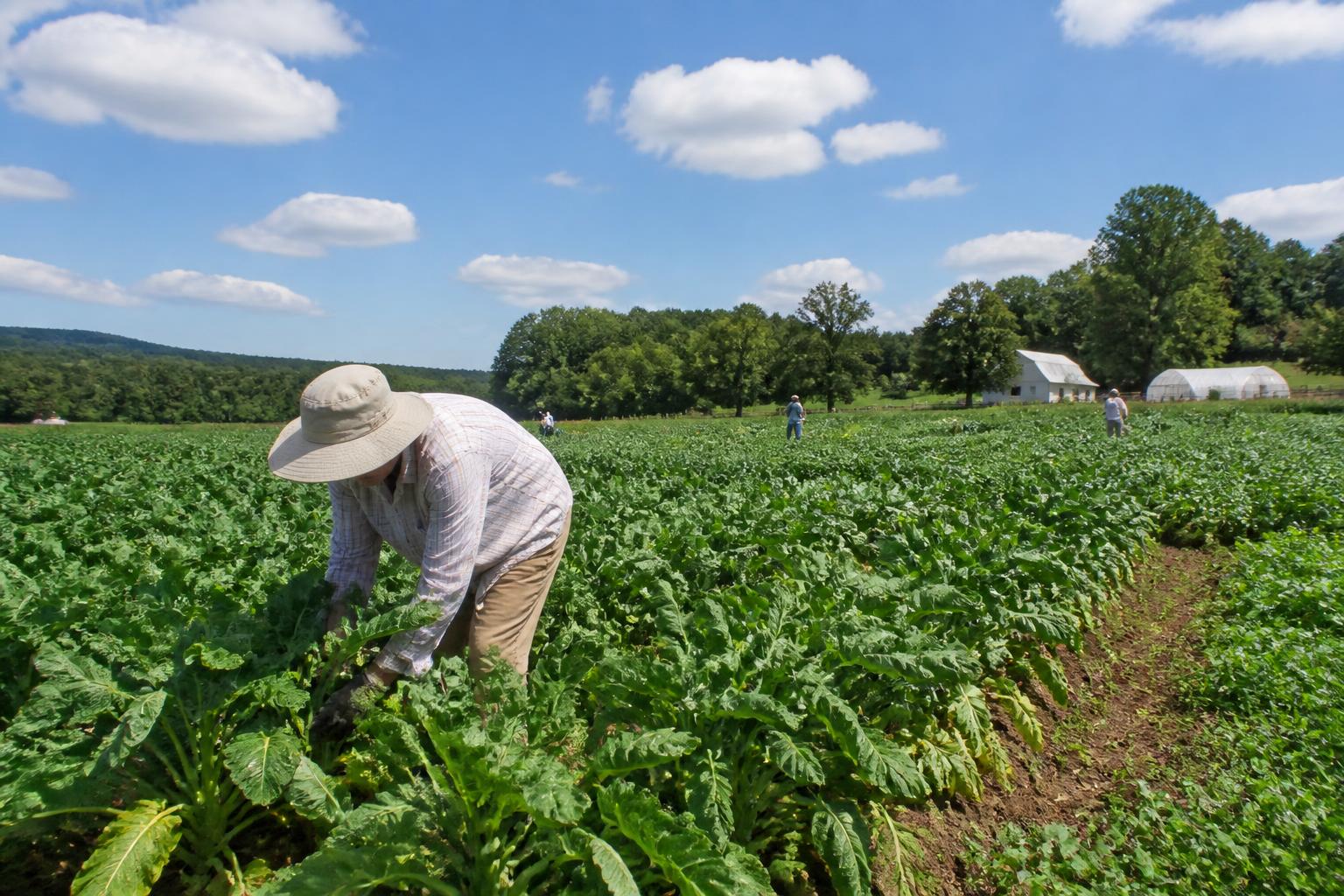
Vermont Farmers Navigate Evolving Input Standards Amid Summer Harvest
As Vermont producers push through critical summer feed harvests, shifting input regulations and new regional programs continue to shape operational decision-making.
We collect original digests and analytical notes based on facts, market signals and verified sources.
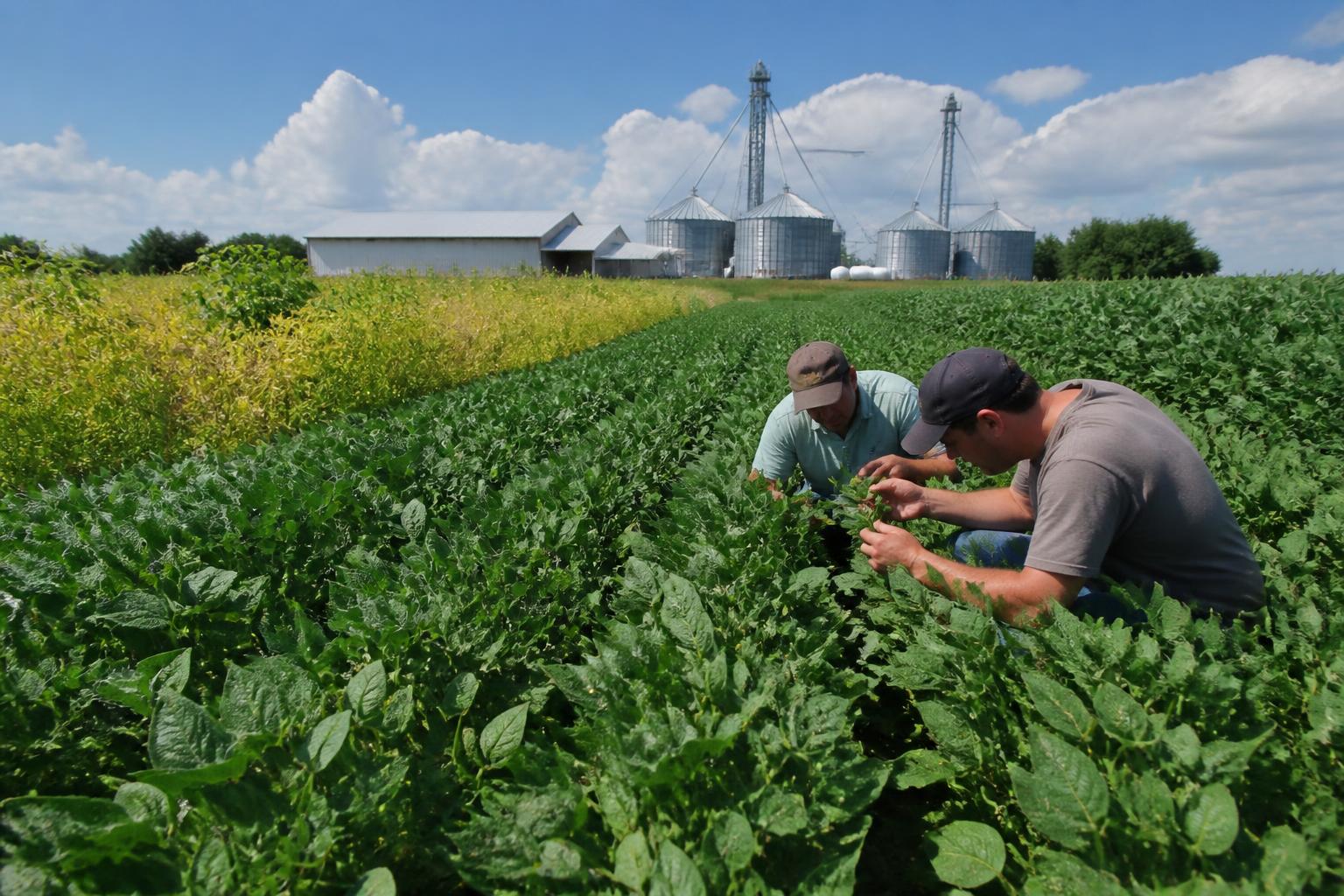
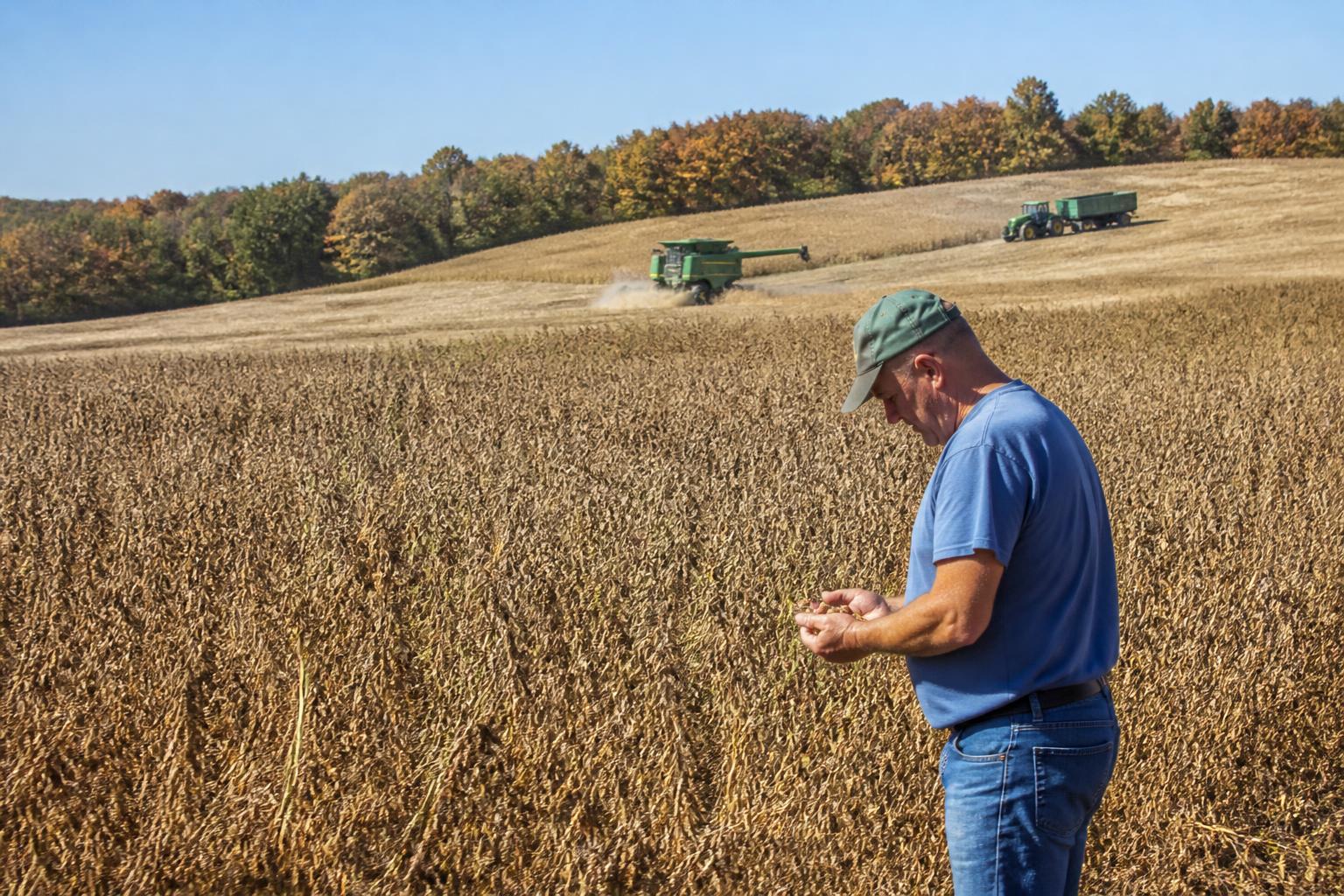
As Wisconsin's fall harvest gains momentum, farmers are balancing fluctuating grain quality reports with persistent concerns over regional fuel expenses and operational overhead.
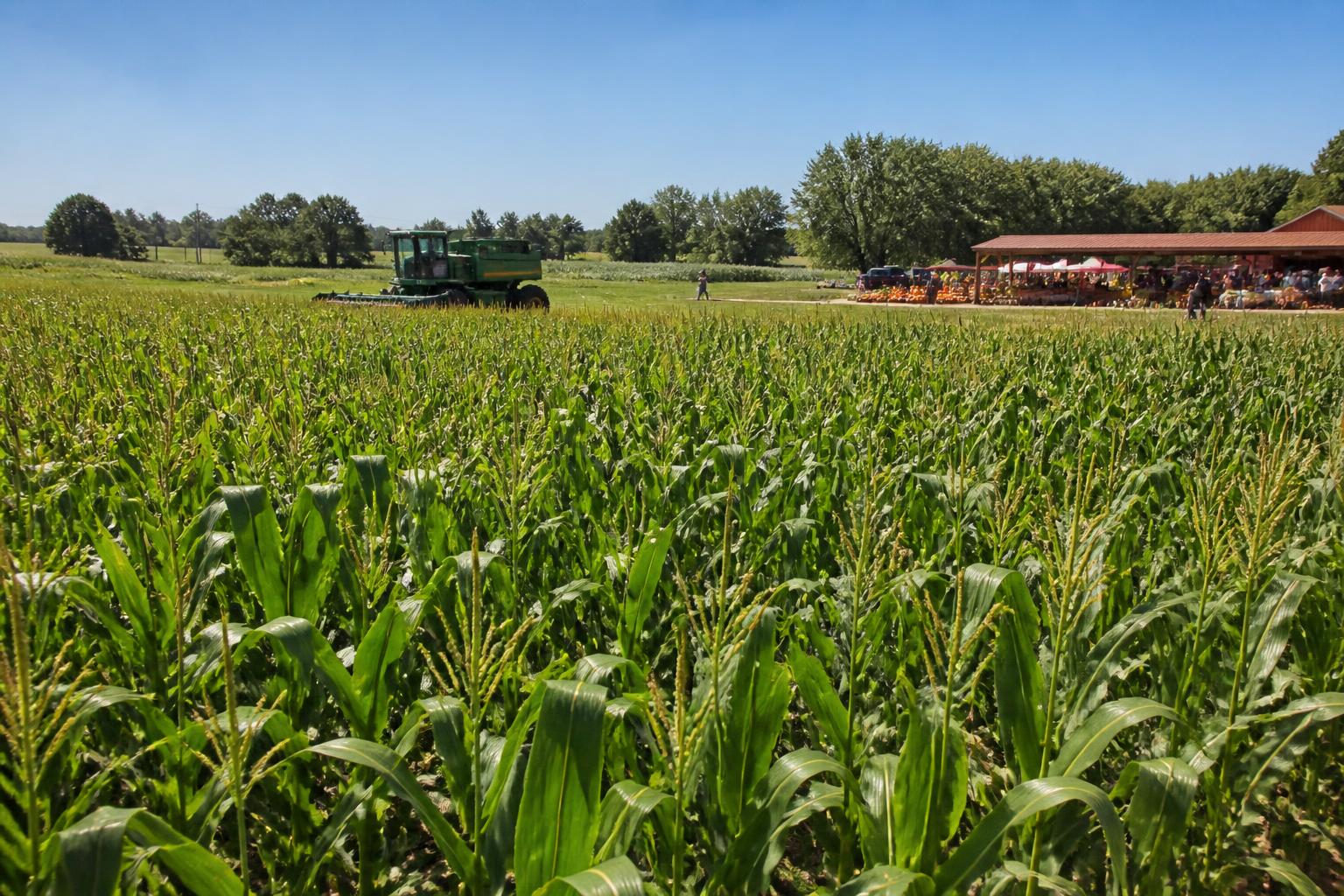
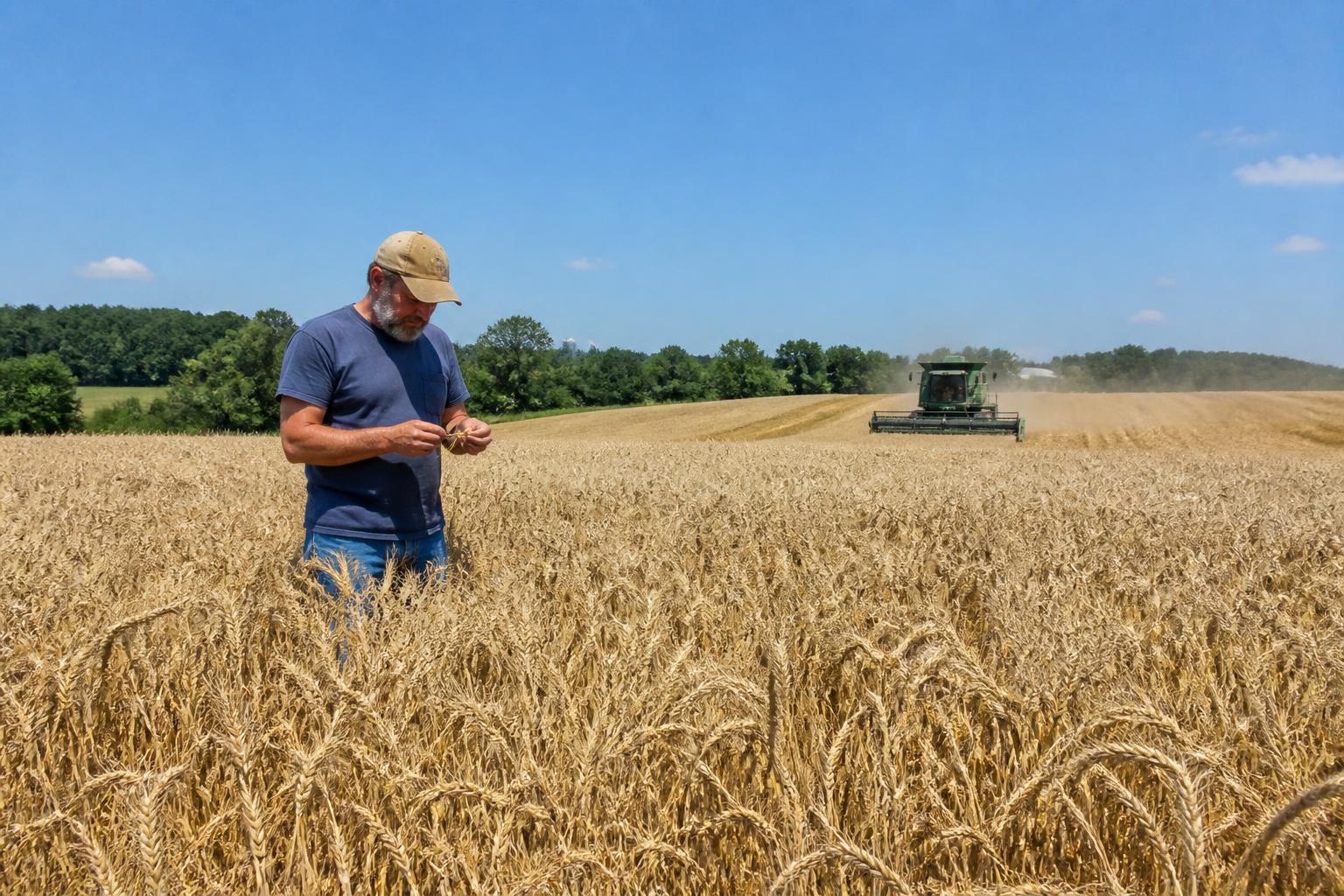
As Vermont producers push through critical summer feed harvests, shifting input regulations and new regional programs continue to shape operational decision-making.
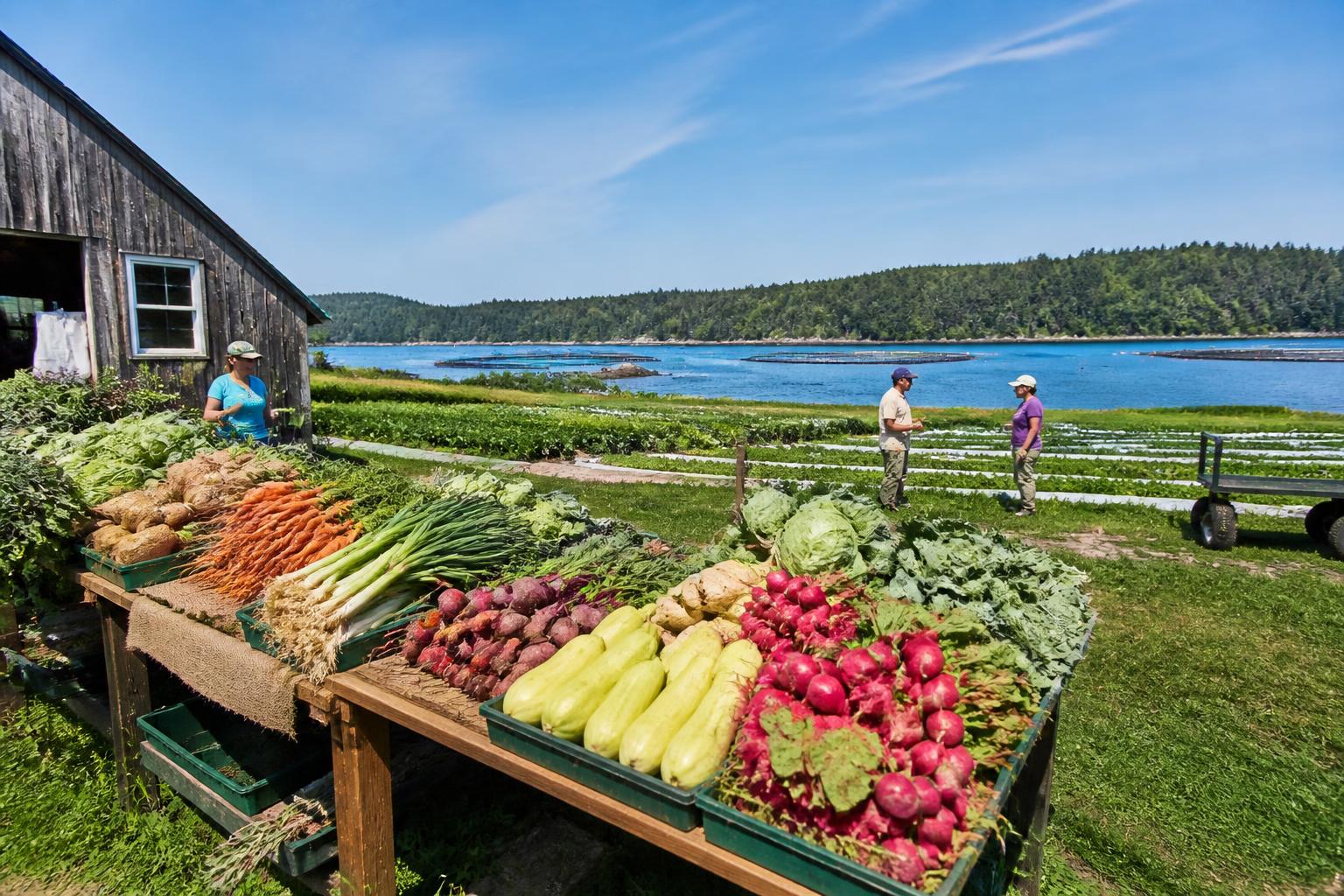
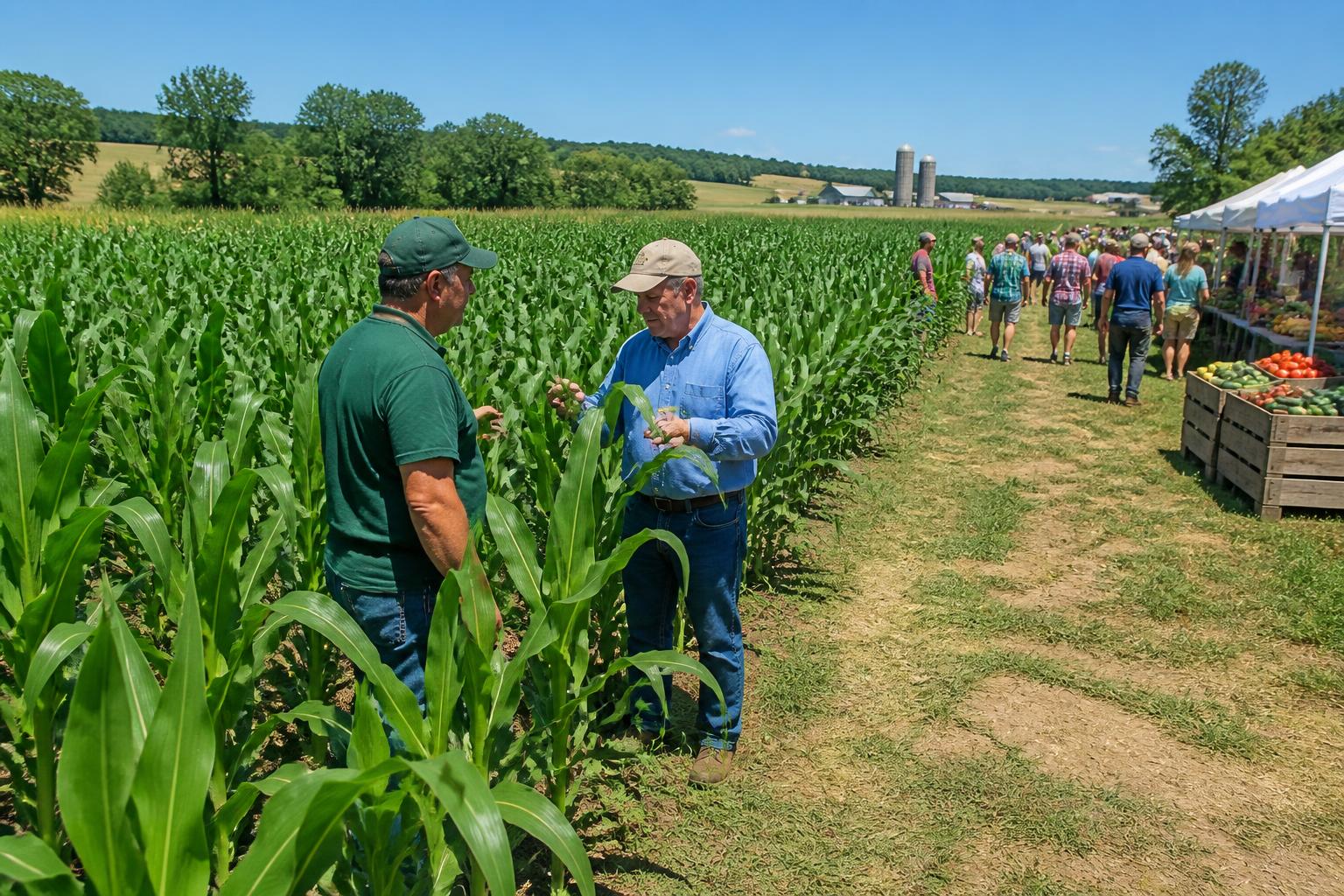
Maine producers are balancing seasonal growth, soil health initiatives, and long-term land-use planning as the mid-summer season reaches peak activity.
As Wisconsin crops progress through the summer, growers monitor market trends and trade developments following recent Grains Council discussions in the region.
As North Carolina agriculture moves through the peak of summer, producers and agribusinesses are balancing shifting market conditions with ongoing infrastructure and workforce development.
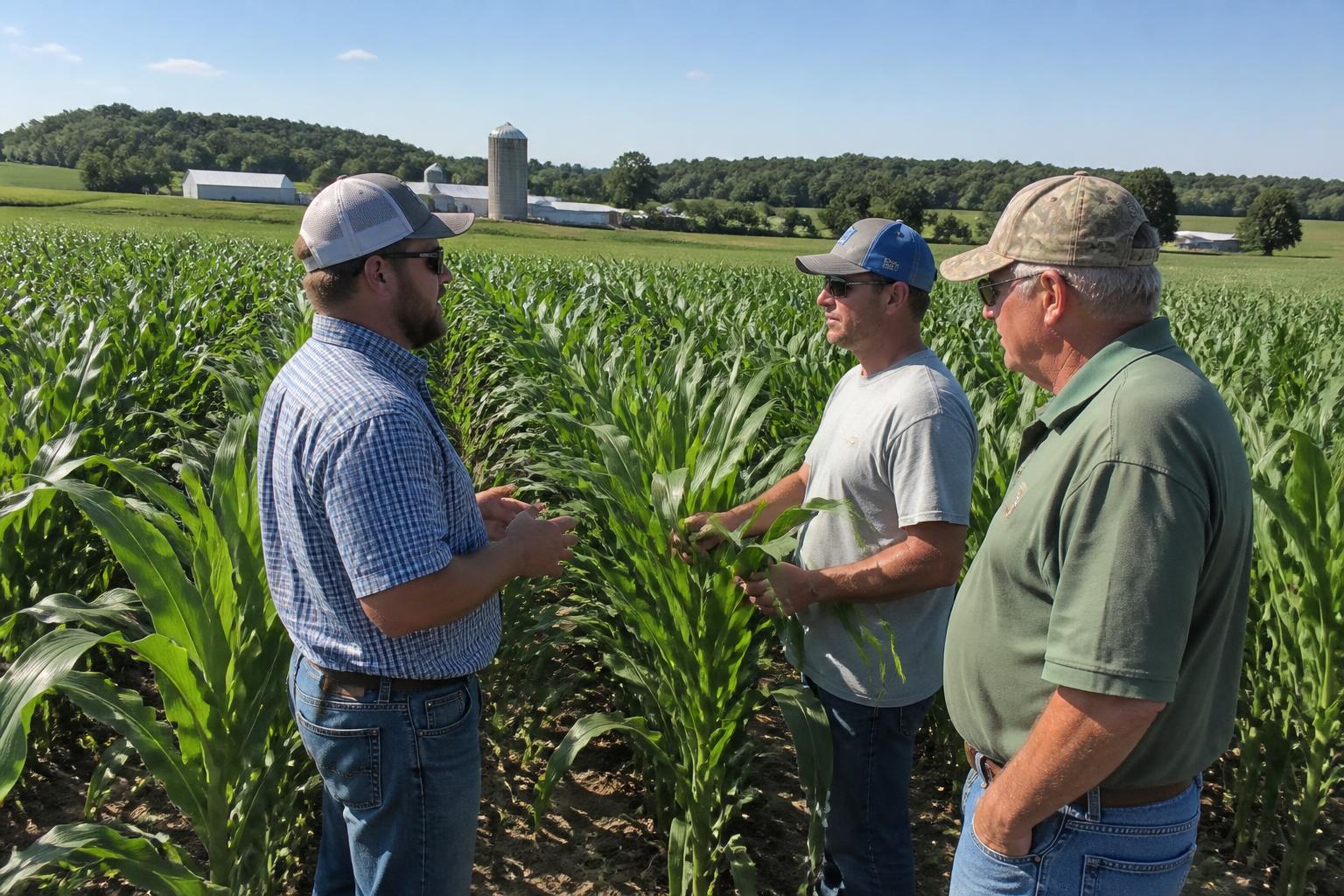
As Illinois farmers navigate mid-summer field management, competitive global corn production and shifting input preferences are reshaping local operational strategies.
As summer growth peaks, Maryland producers are navigating increased oversight on manure management and new invasive species threats that could impact long-term yield stability.
New York farmers are navigating mid-season challenges as recent reports confirm the arrival of tar spot alongside persistent invasive pest concerns, impacting local management strategies.
As Pennsylvania farmers move through the summer season, a focus on land preservation programs and managing rising crop protection costs remains vital for long-term operational stability.
As Wyoming approaches the heart of the summer season, regional agricultural stakeholders are navigating a changing landscape of carbon transport infrastructure, safety technology, and specialized crop production.
As Virginia farmers move through the peak of summer, shifting climate patterns and land conservation efforts are defining the current operational landscape for state producers.
As the mid-summer season progresses in Nevada, producers are weighing global supply chain trends against local operational realities for fertilizer and crop management.
As Minnesota farmers navigate late-summer field conditions, recent shifts in cooperative infrastructure and crop protection management are reshaping local agricultural operations.
Sign in to manage requests, save contacts and respond to market offers quickly.
Continue with Google Continue with MicrosoftSign in to manage requests, save contacts and respond to market offers quickly.
Continue with Google Continue with MicrosoftEnter your email and we will send a password reset link.
Don't have an account?
We value your privacy
We use cookies to run the site and, with your consent, to measure traffic (Google Analytics) and personalize ads. You can accept, reject, or choose. Privacy Policy