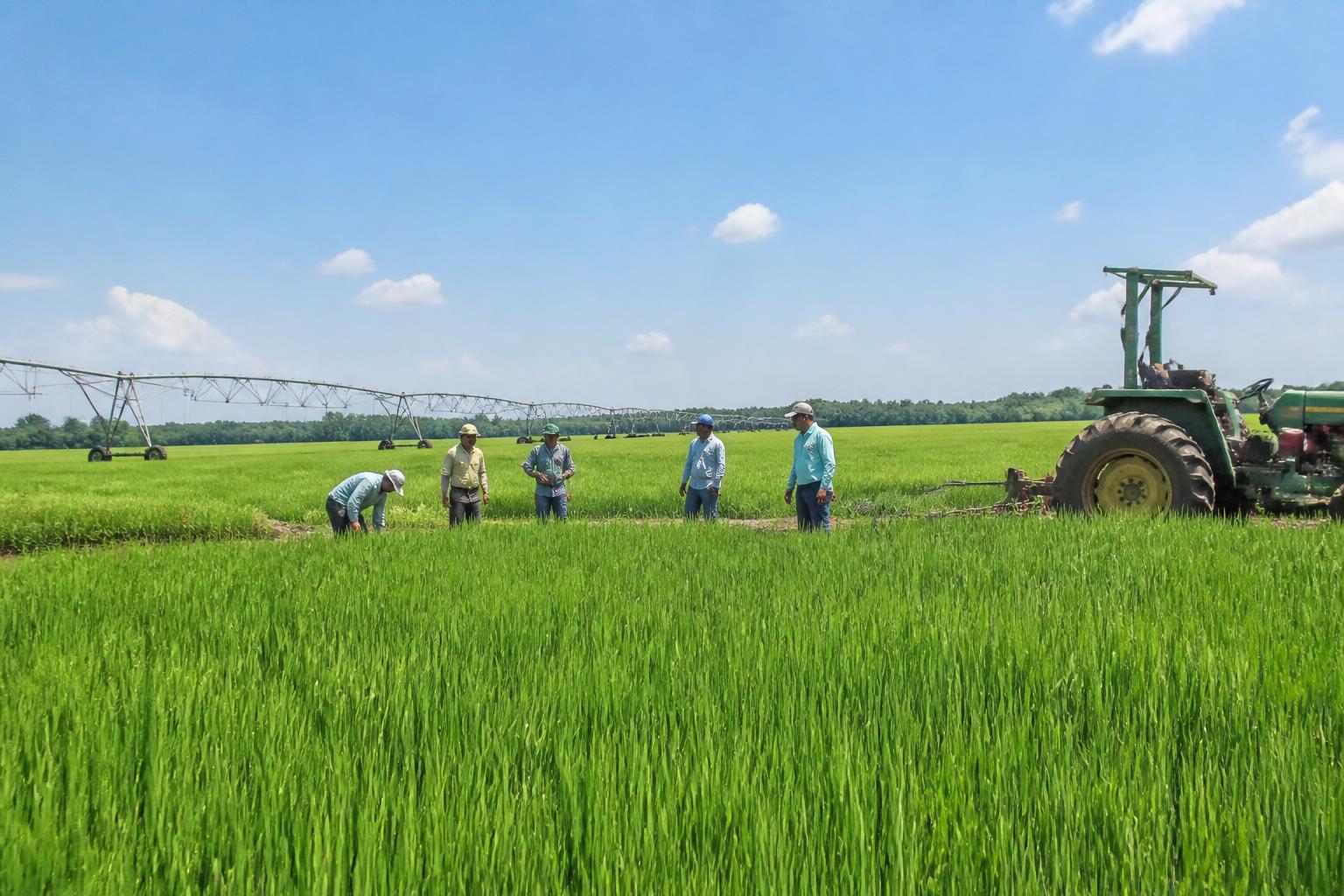
Arkansas Crop Protection: Navigating Late-Season Regulatory Shifts
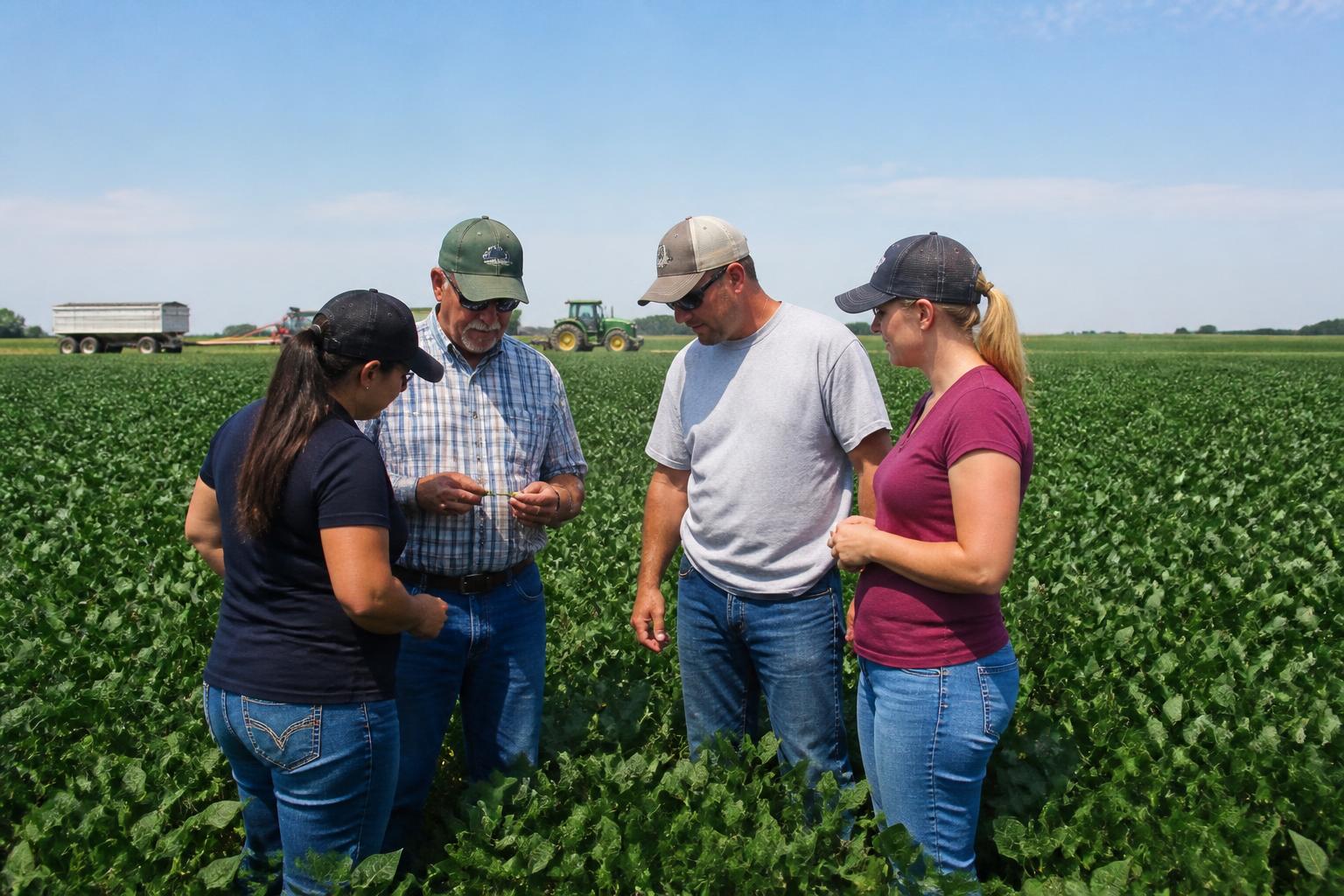
As Arkansas producers push through the summer growth phase, strict adherence to herbicide application deadlines remains a critical operational priority to protect yields.
We collect original digests and analytical notes based on facts, market signals and verified sources.
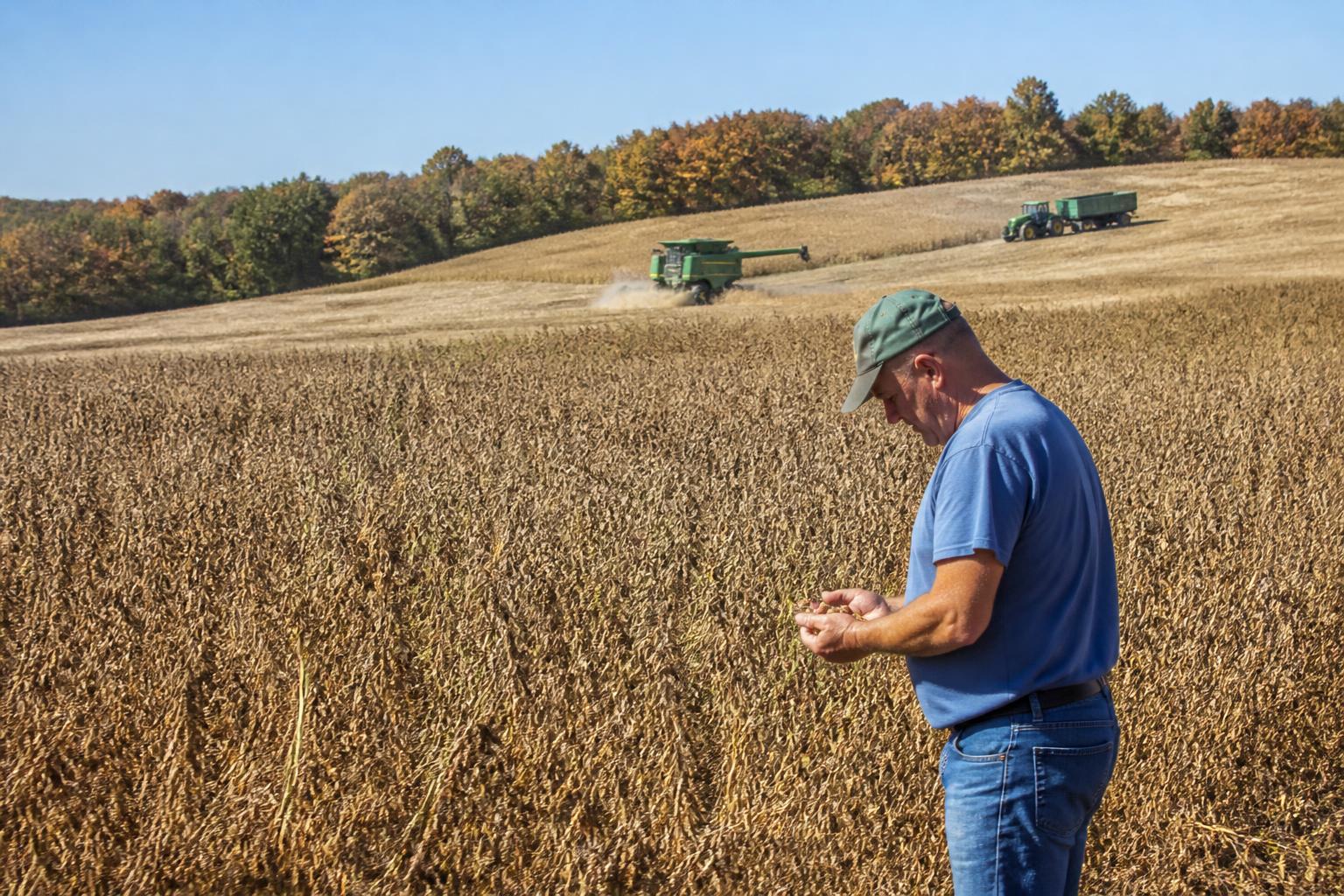
As Wisconsin's fall harvest gains momentum, farmers are balancing fluctuating grain quality reports with persistent concerns over regional fuel expenses and operational overhead.
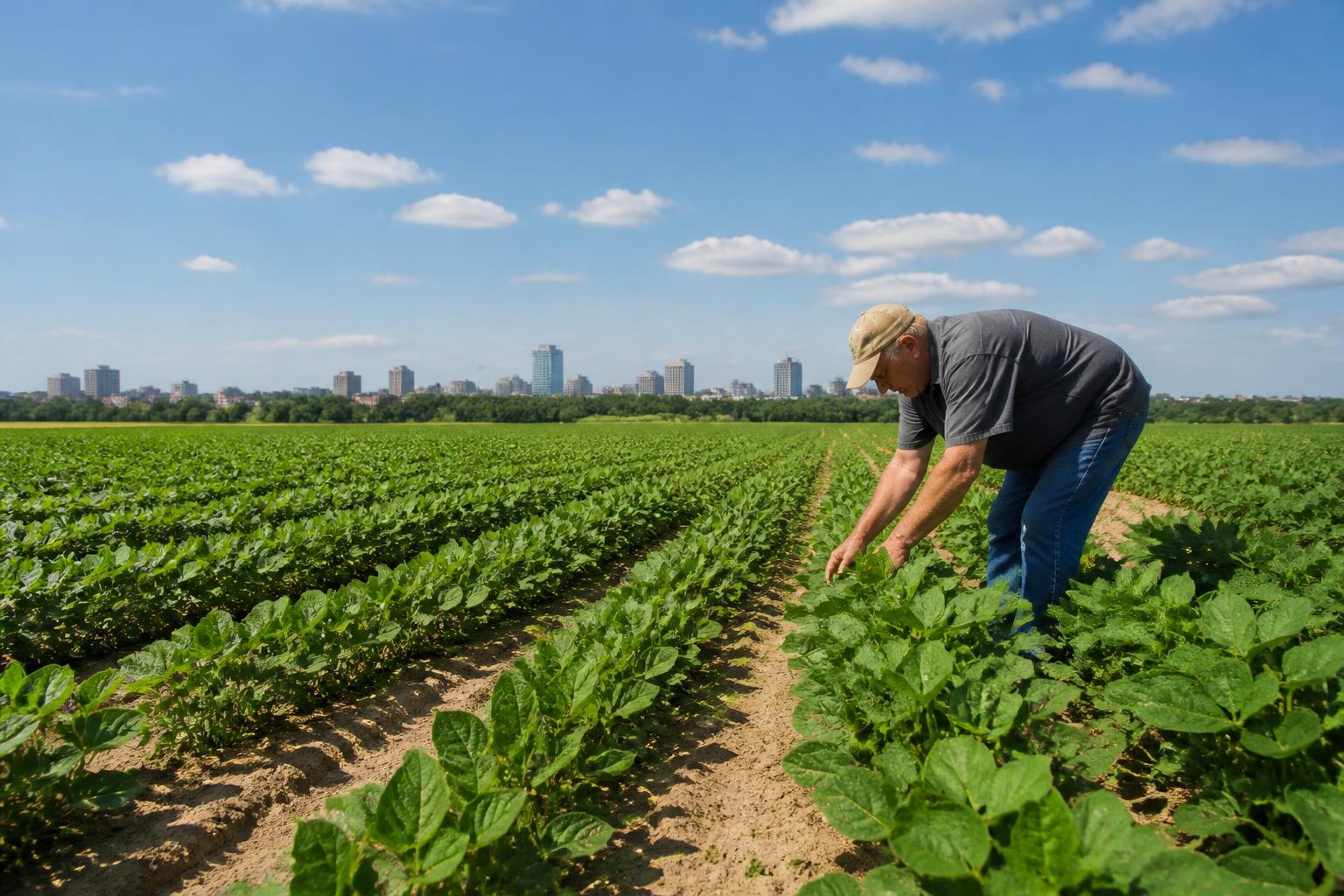
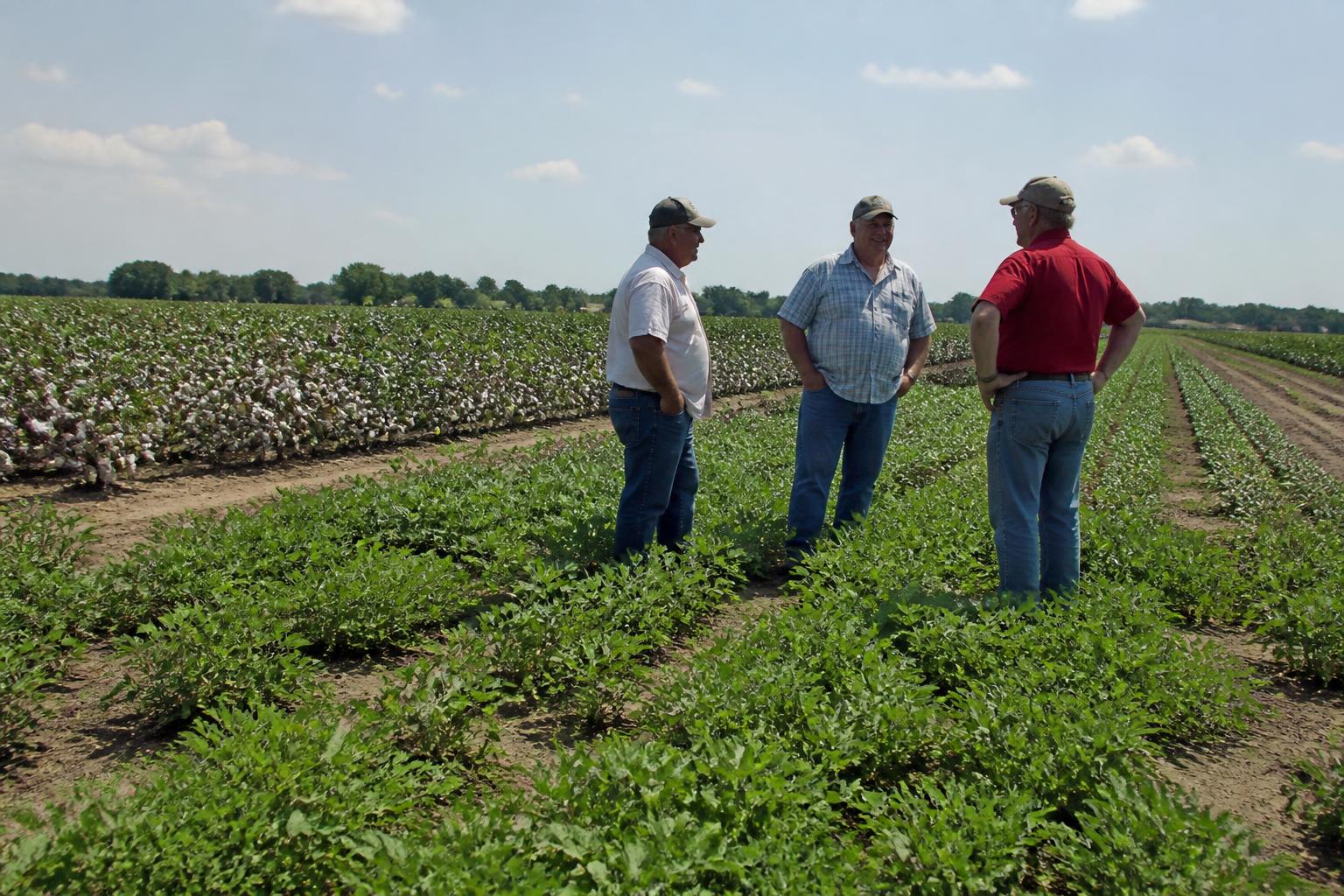
As Arkansas producers push through the summer growth phase, strict adherence to herbicide application deadlines remains a critical operational priority to protect yields.
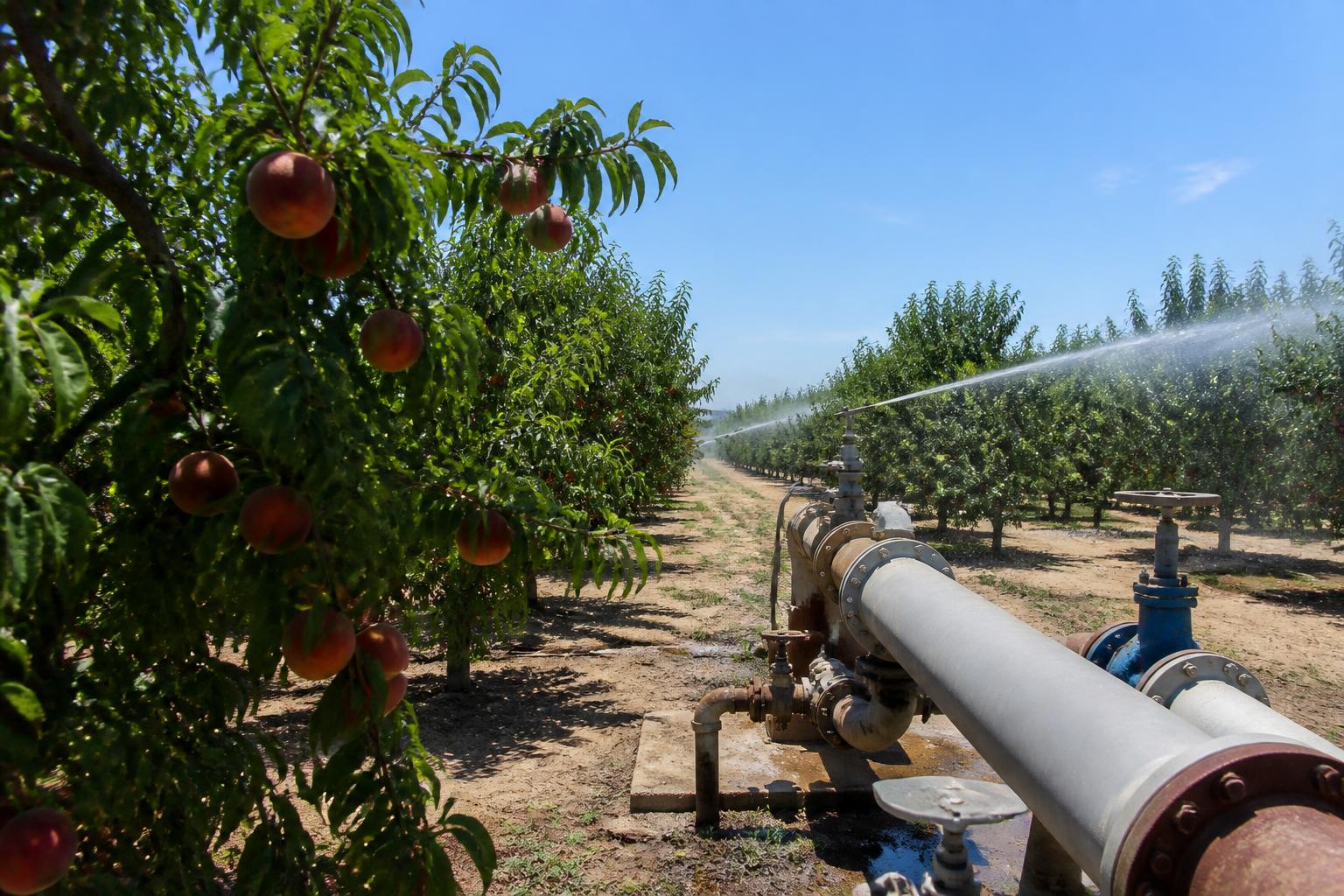
As Arizona enters the height of the summer season, growers and transporters are balancing tighter groundwater regulations with ongoing infrastructure challenges at key border crossings.
As South Texas growers face challenges from localized Nueces River flooding, producers and supply chain stakeholders are urged to prioritize crop protection and logistics planning.
As agricultural trade uncertainties persist, New Mexico producers are focusing on strengthening farm-level biosecurity to protect operations from emerging pest and pathogen risks.
Maine agricultural producers face a complex landscape as they manage changing pesticide regulations, evolving market demands, and long-term land stewardship challenges.
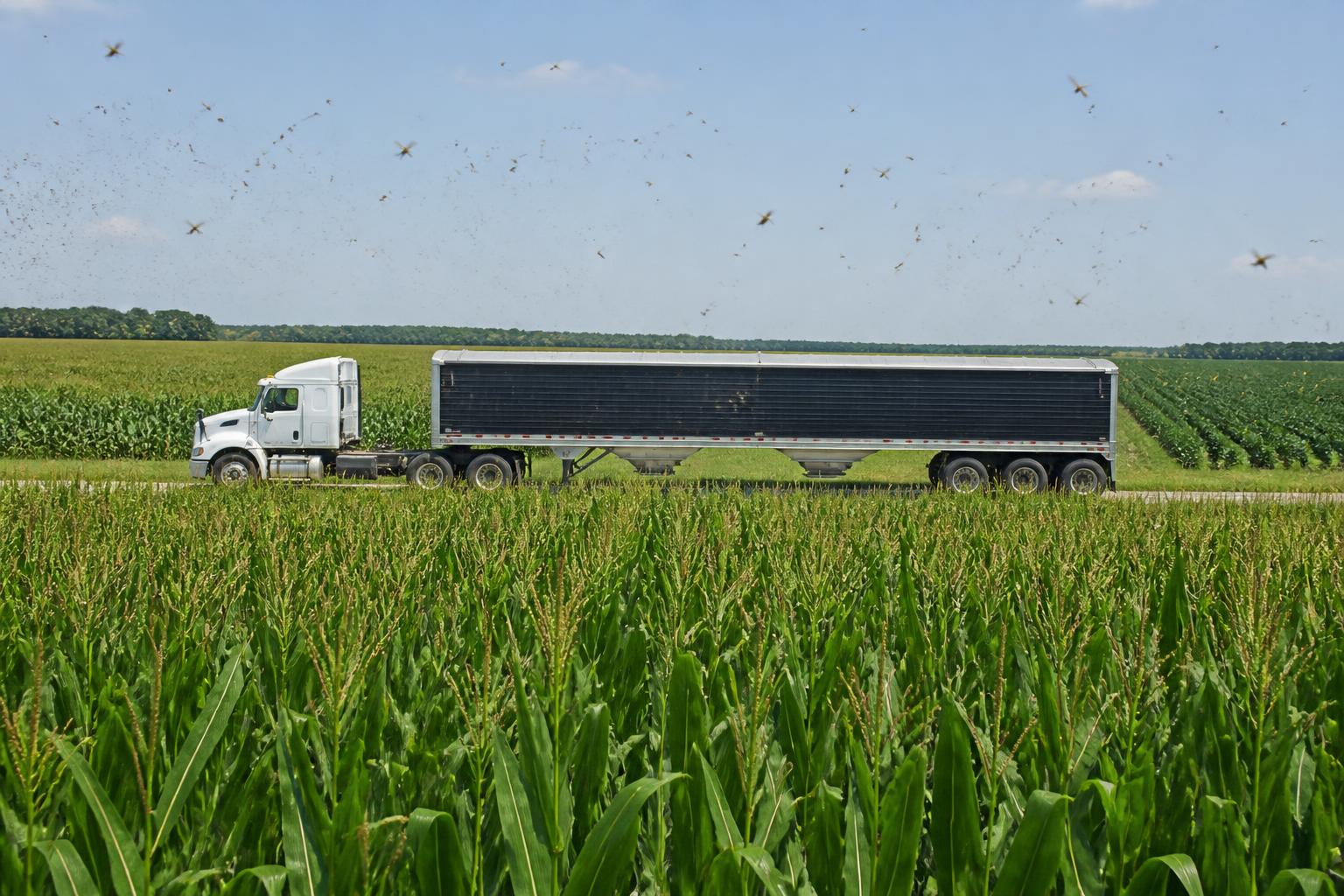
Recent cooperative efforts between Corn Belt and Louisiana ports aim to enhance grain logistics, while regional producers navigate ongoing market volatility.
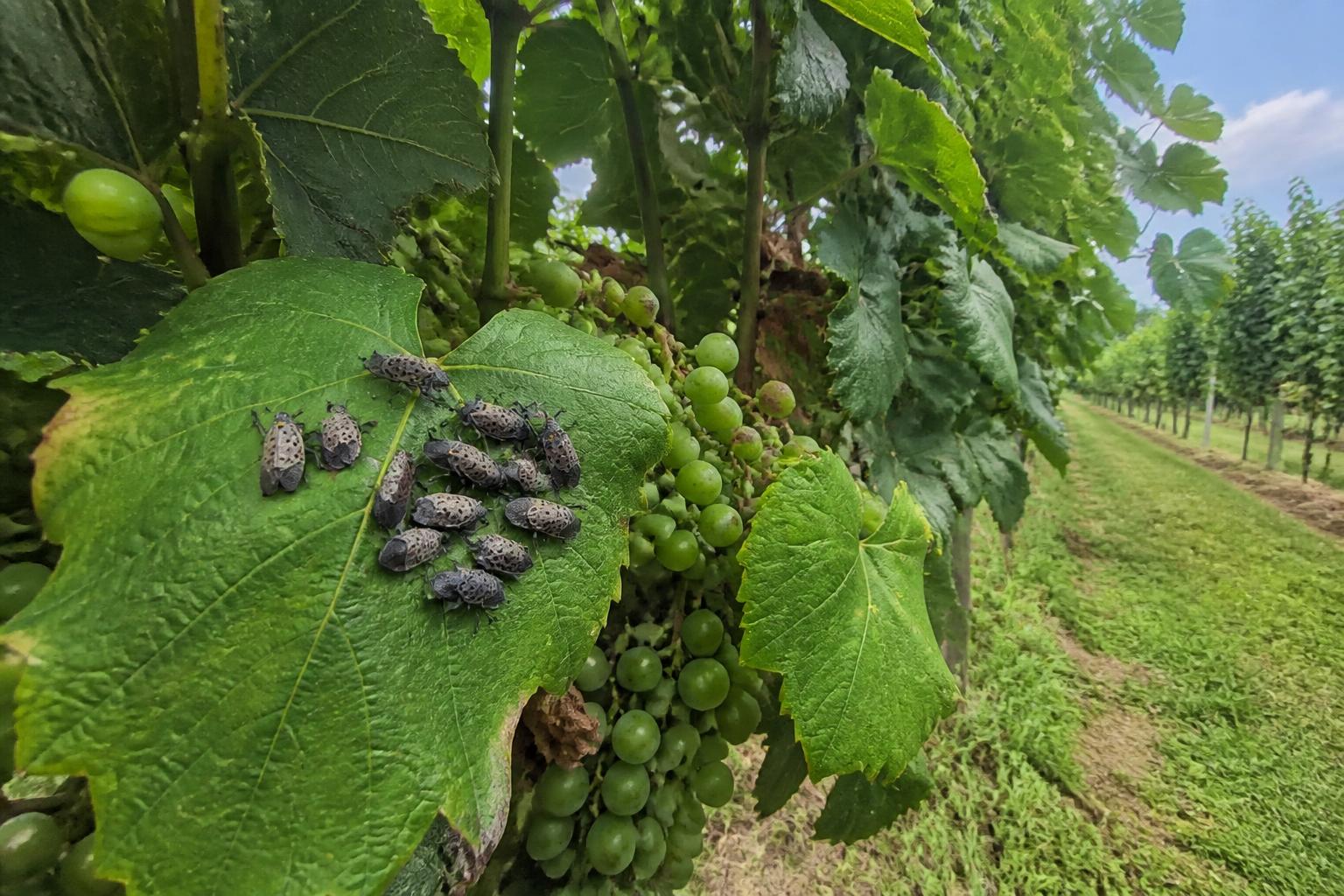
As Delaware enters the peak of summer, growers should prioritize scouting for the spotted lanternfly to protect yields and manage regional spread.
Wyoming grain producers are monitoring moisture levels during the peak summer season while keeping a close eye on progress regarding the federal farm bill.
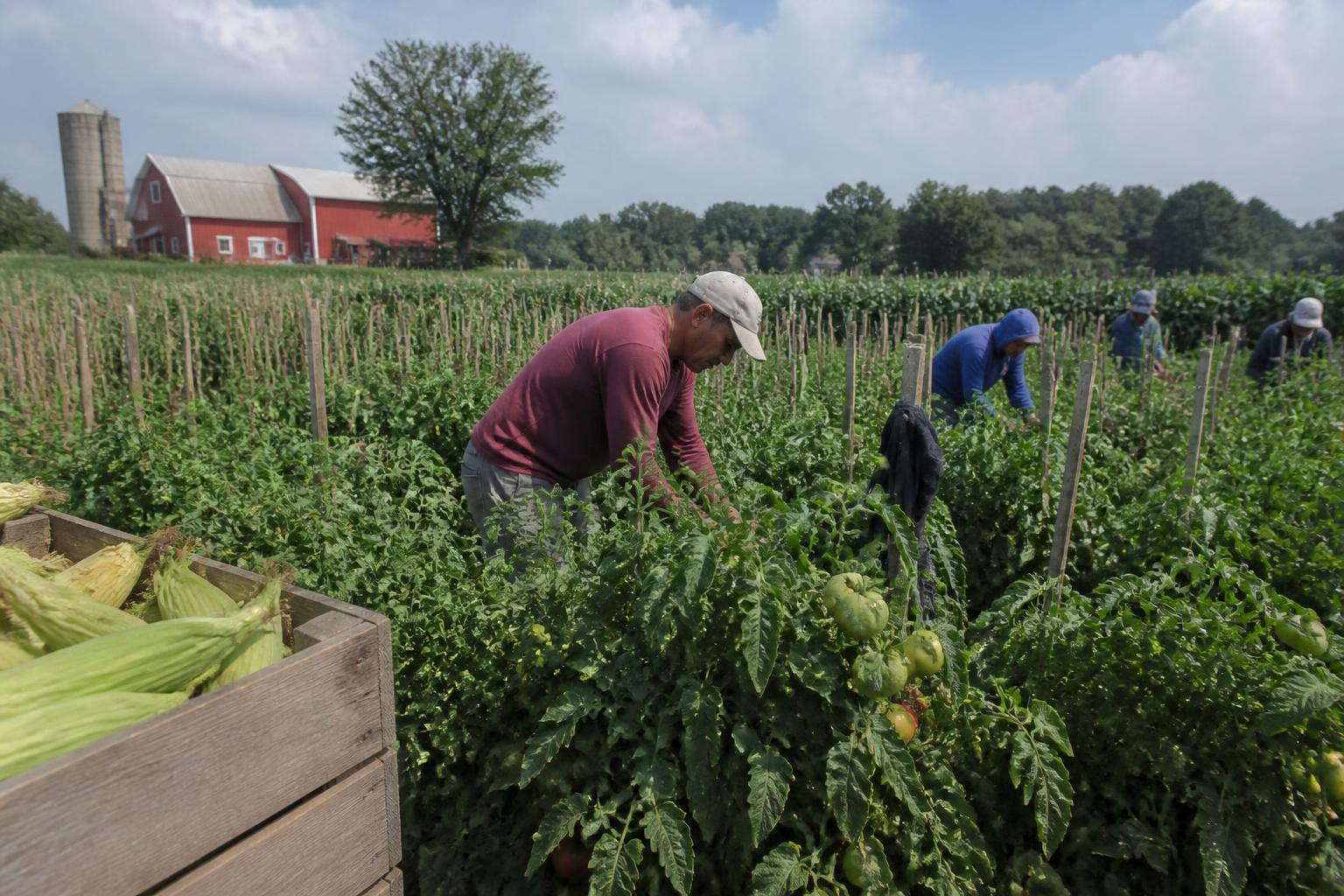
As New Jersey farmers manage the peak of the summer season, the dual challenges of land preservation and logistics are reshaping the state's agricultural landscape.
Recent legislative shifts in South Carolina aim to shield farmland from urban sprawl, while regional growers remain vigilant against potential invasive threats to crop health.
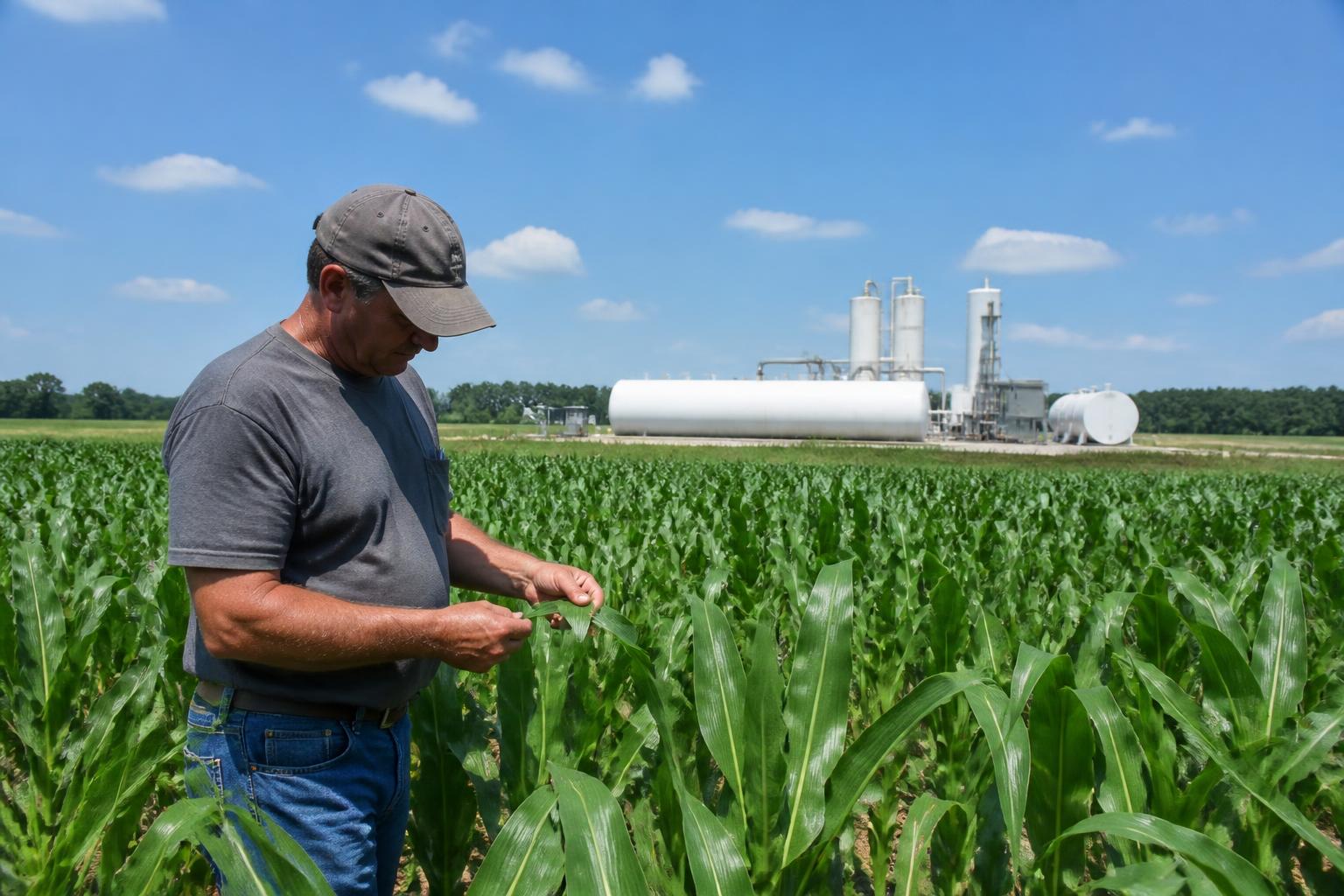
As August progresses, Massachusetts producers are evaluating new ammonia production technologies and long-term predictive markers to navigate shifting supply and market dynamics.
As Alabama producers navigate shifting crop decisions and new leadership in the peanut sector, market participants should prepare for late-season logistical and operational shifts.
Sign in to manage requests, save contacts and respond to market offers quickly.
Continue with Google Continue with MicrosoftSign in to manage requests, save contacts and respond to market offers quickly.
Continue with Google Continue with MicrosoftEnter your email and we will send a password reset link.
Don't have an account?
We value your privacy
We use cookies to run the site and, with your consent, to measure traffic (Google Analytics) and personalize ads. You can accept, reject, or choose. Privacy Policy