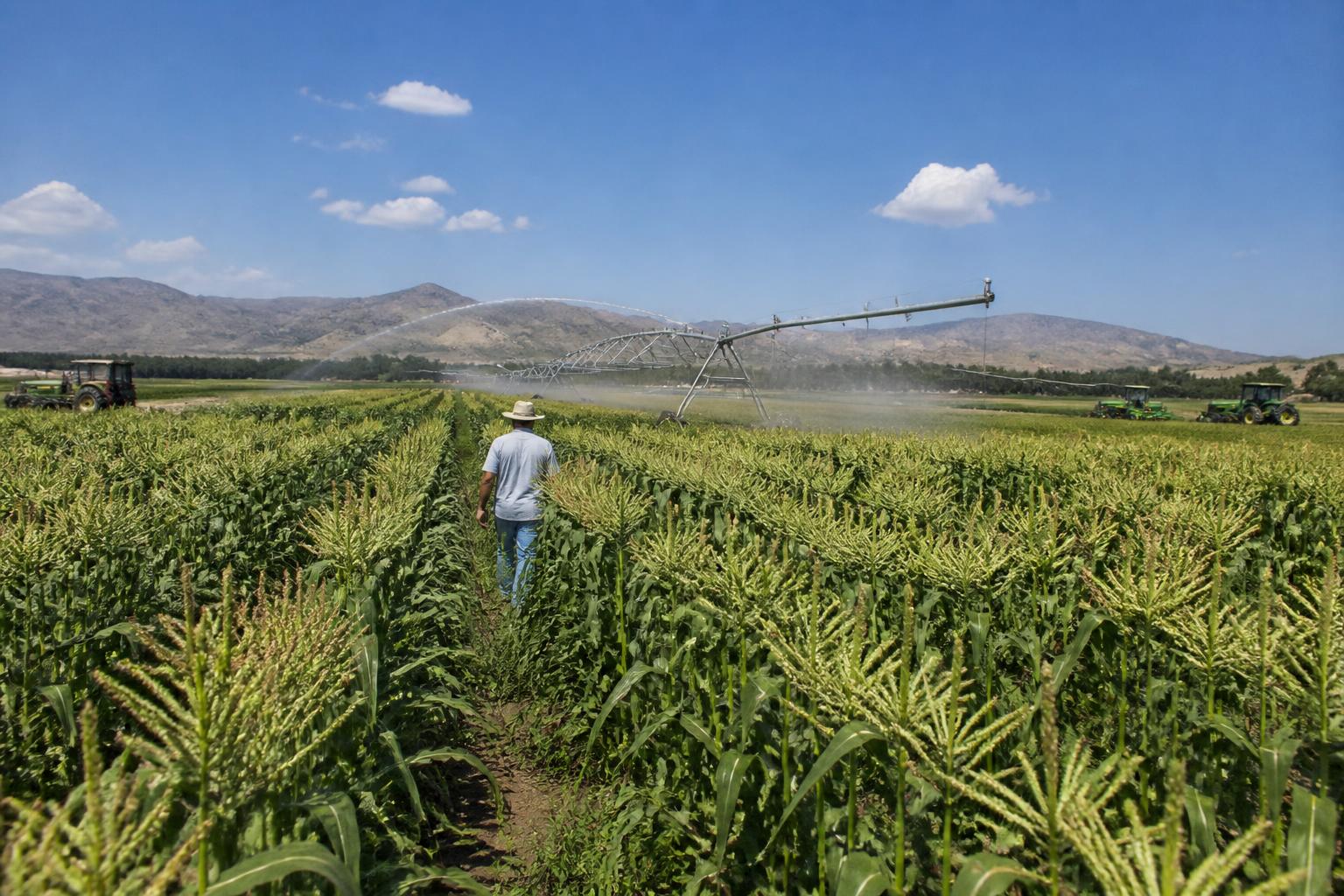
Utah Fertilizer Market Outlook: Managing Costs and Supply Volatility
Utah producers are evaluating shifting fertilizer market dynamics as tariff adjustments and sustained drought conditions influence seasonal input procurement strategies.
We collect original digests and analytical notes based on facts, market signals and verified sources.
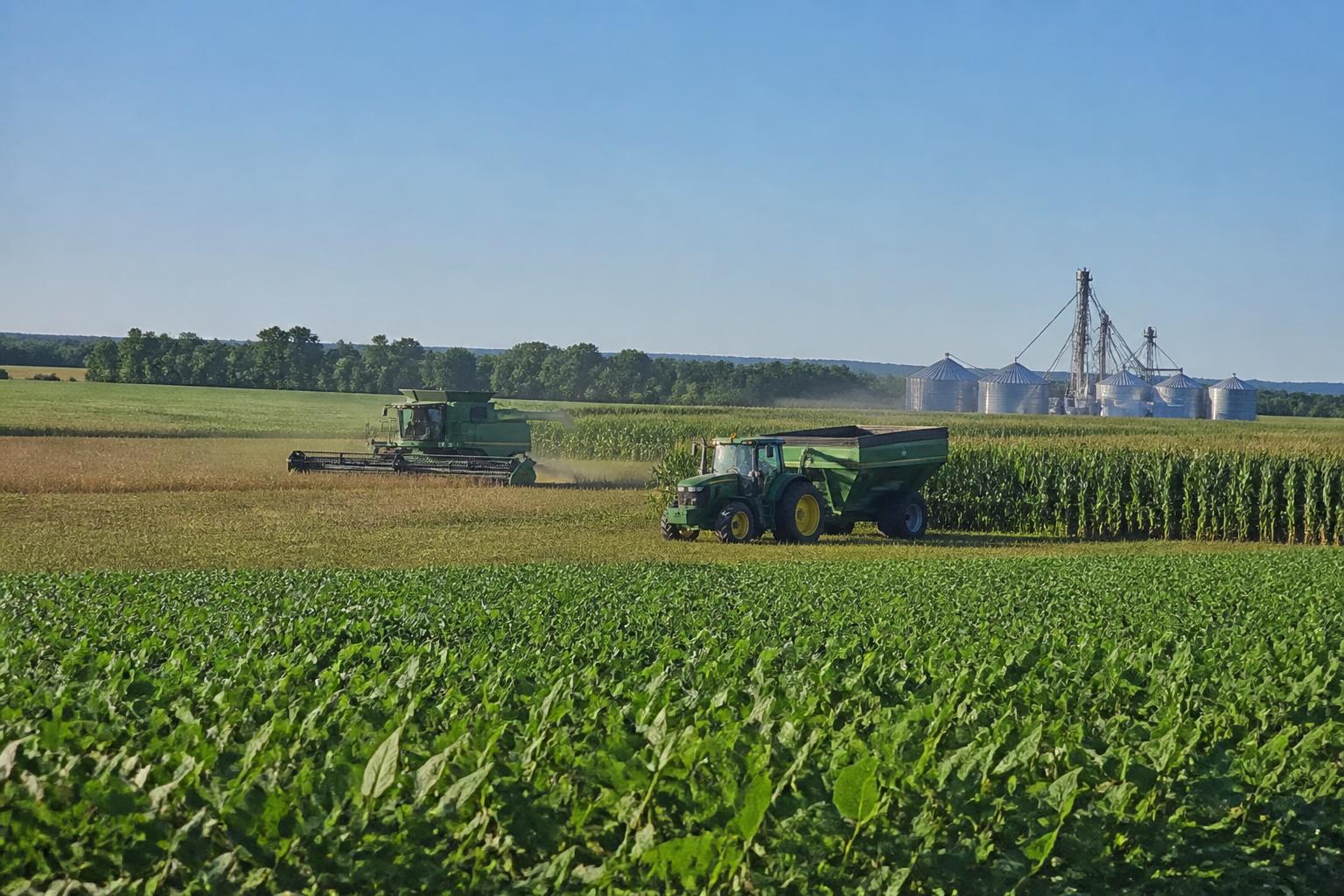
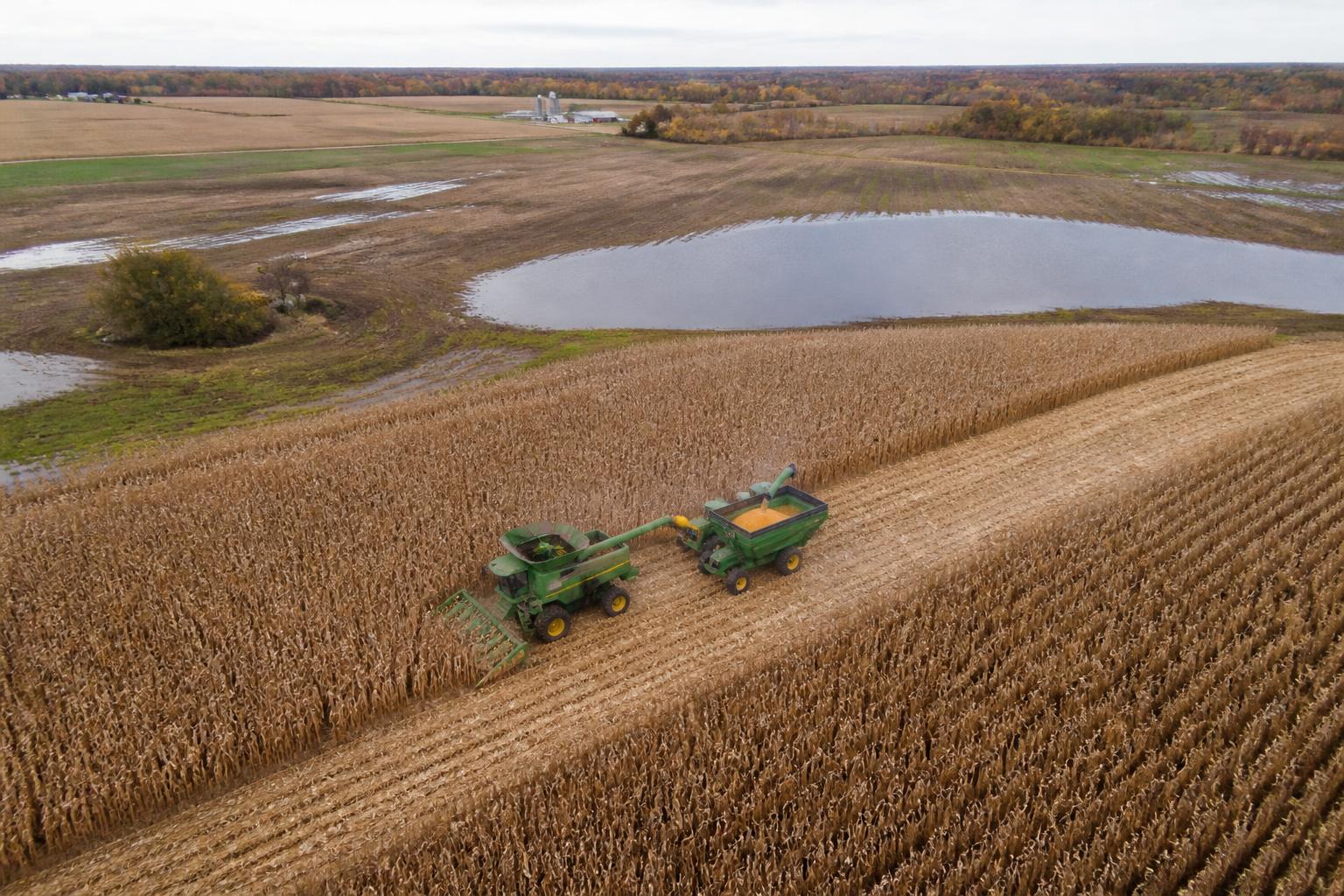
As Indiana farmers advance through the fall harvest, varying crop maturity and localized moisture impacts continue to influence logistics and grain movement across the state.
Utah producers are evaluating shifting fertilizer market dynamics as tariff adjustments and sustained drought conditions influence seasonal input procurement strategies.
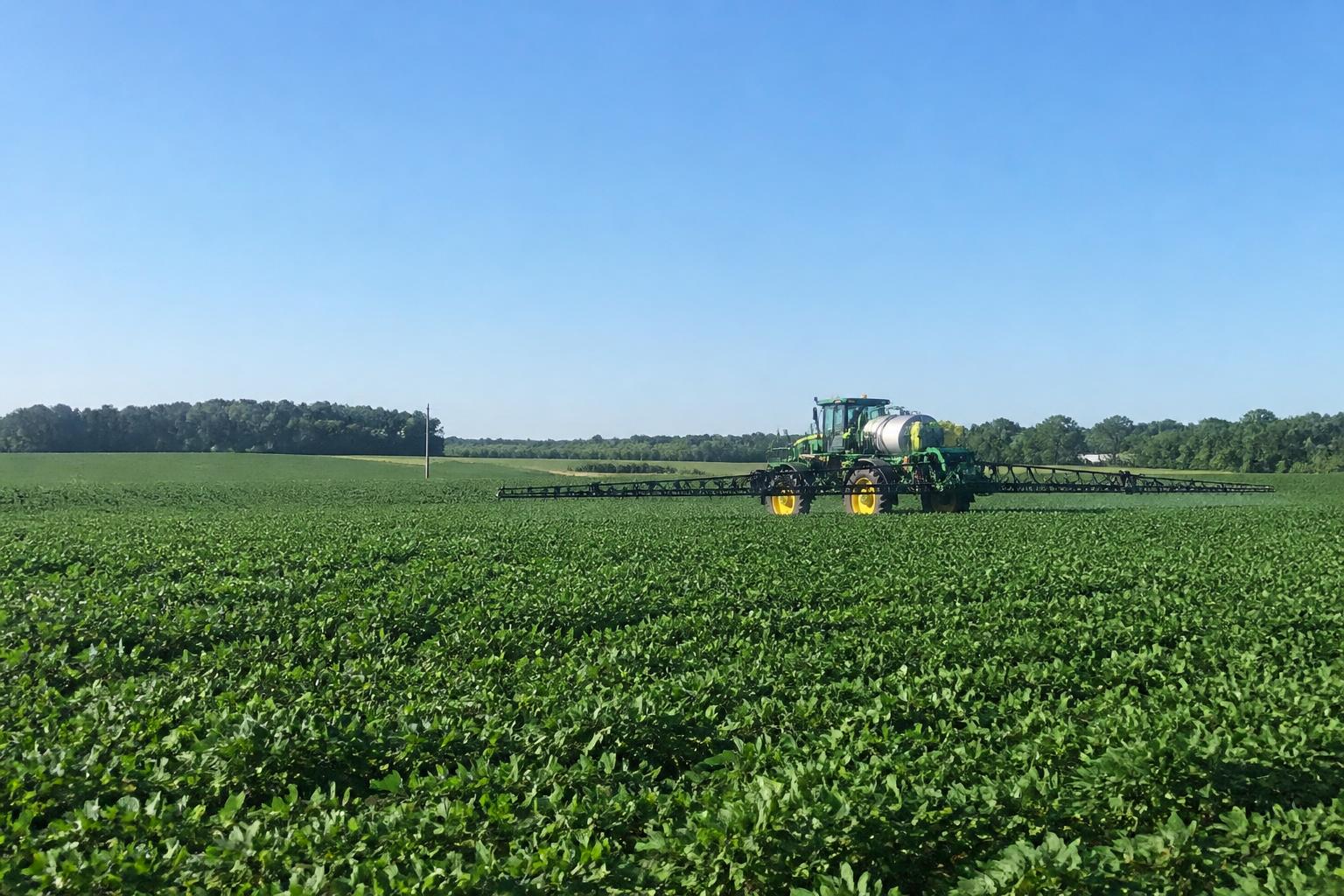
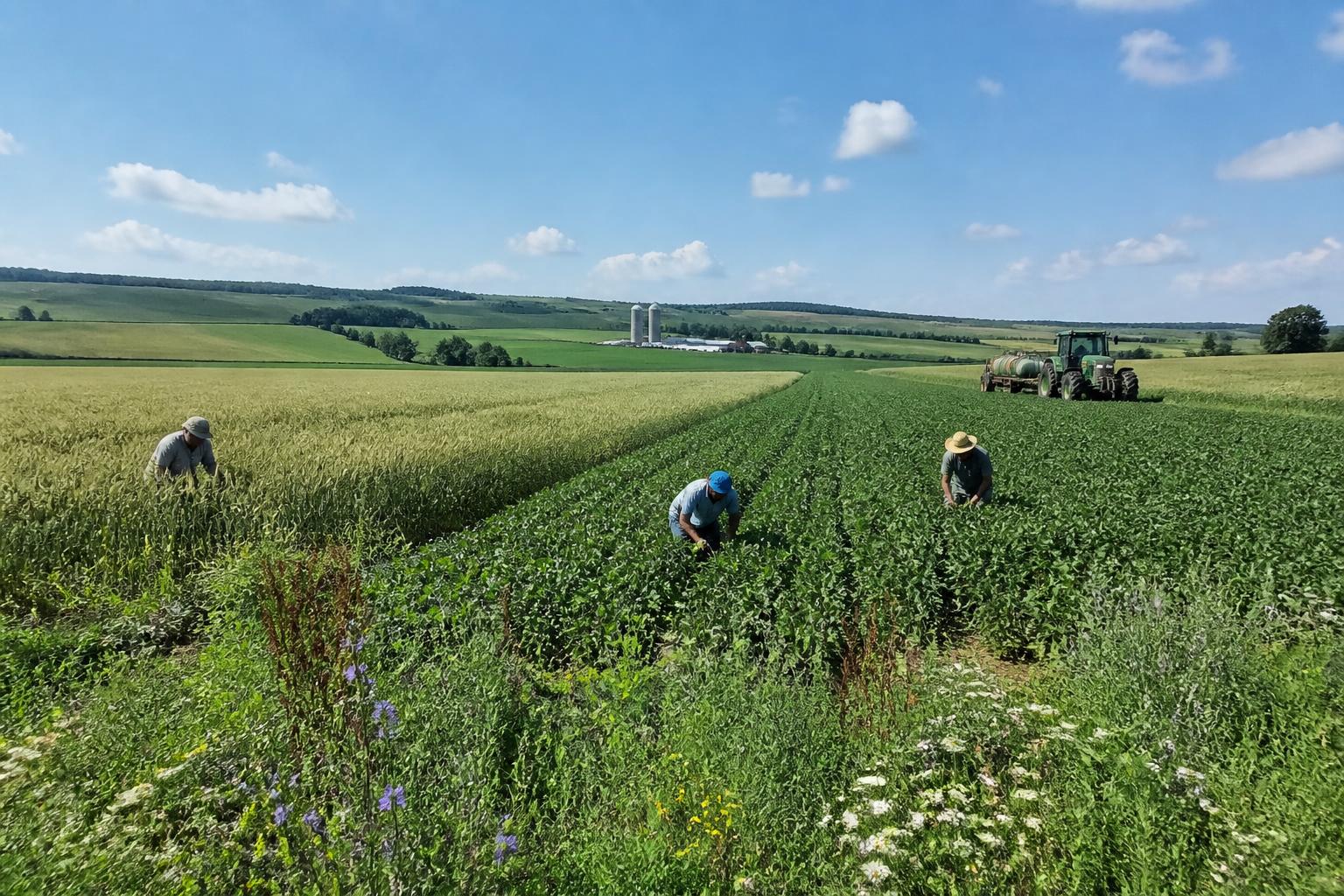
As summer weed pressure intensifies across North Dakota, manufacturers reaffirm the ongoing role of glyphosate in integrated crop protection plans.
As summer operations intensify in Arkansas, producers and handlers are balancing active export commitments against evolving federal farm policy and regional logistics pressures.
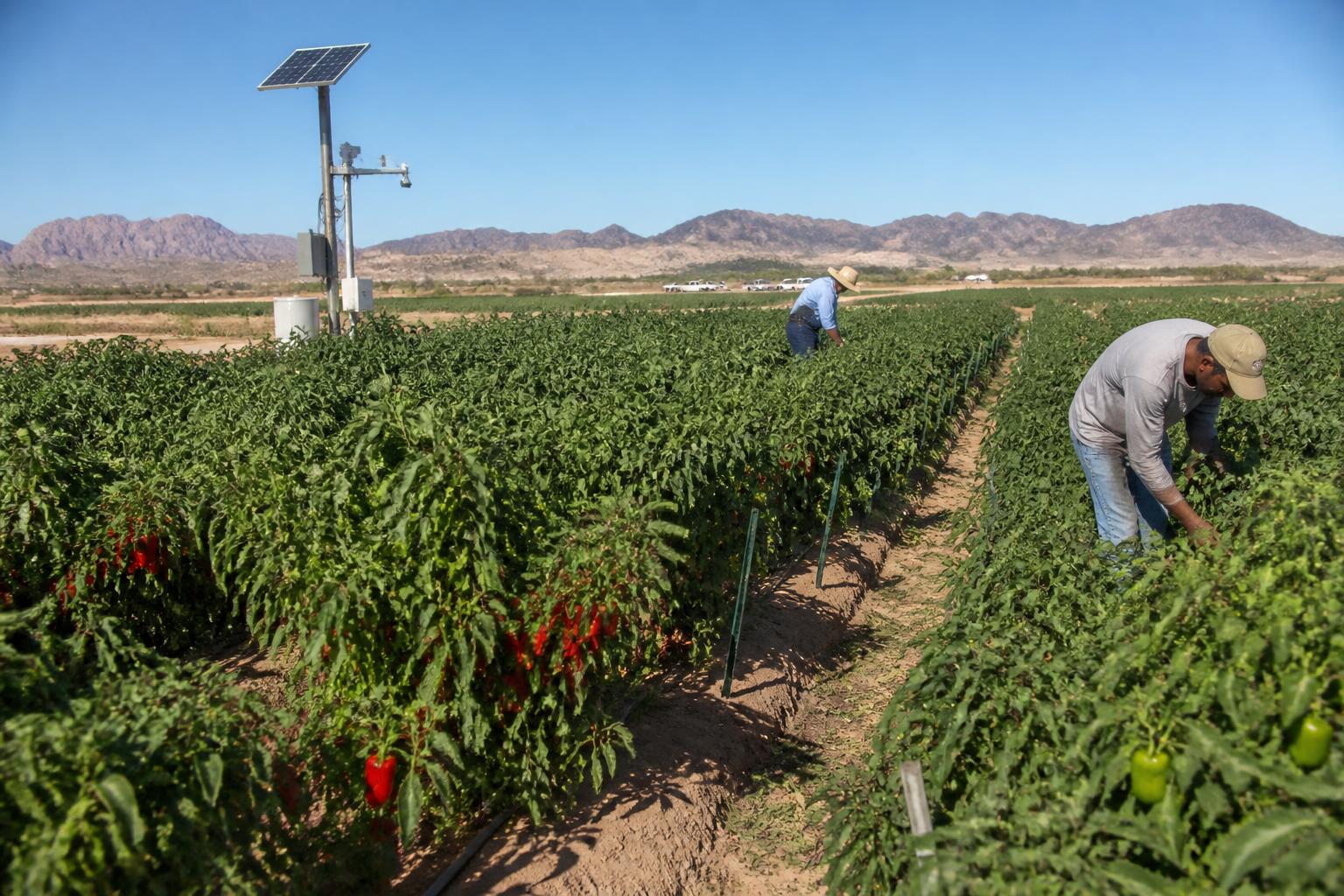
As Arizona farmers navigate ongoing water constraints and input volatility, new pilot programs are testing Physical AI to optimize specialty crop management.
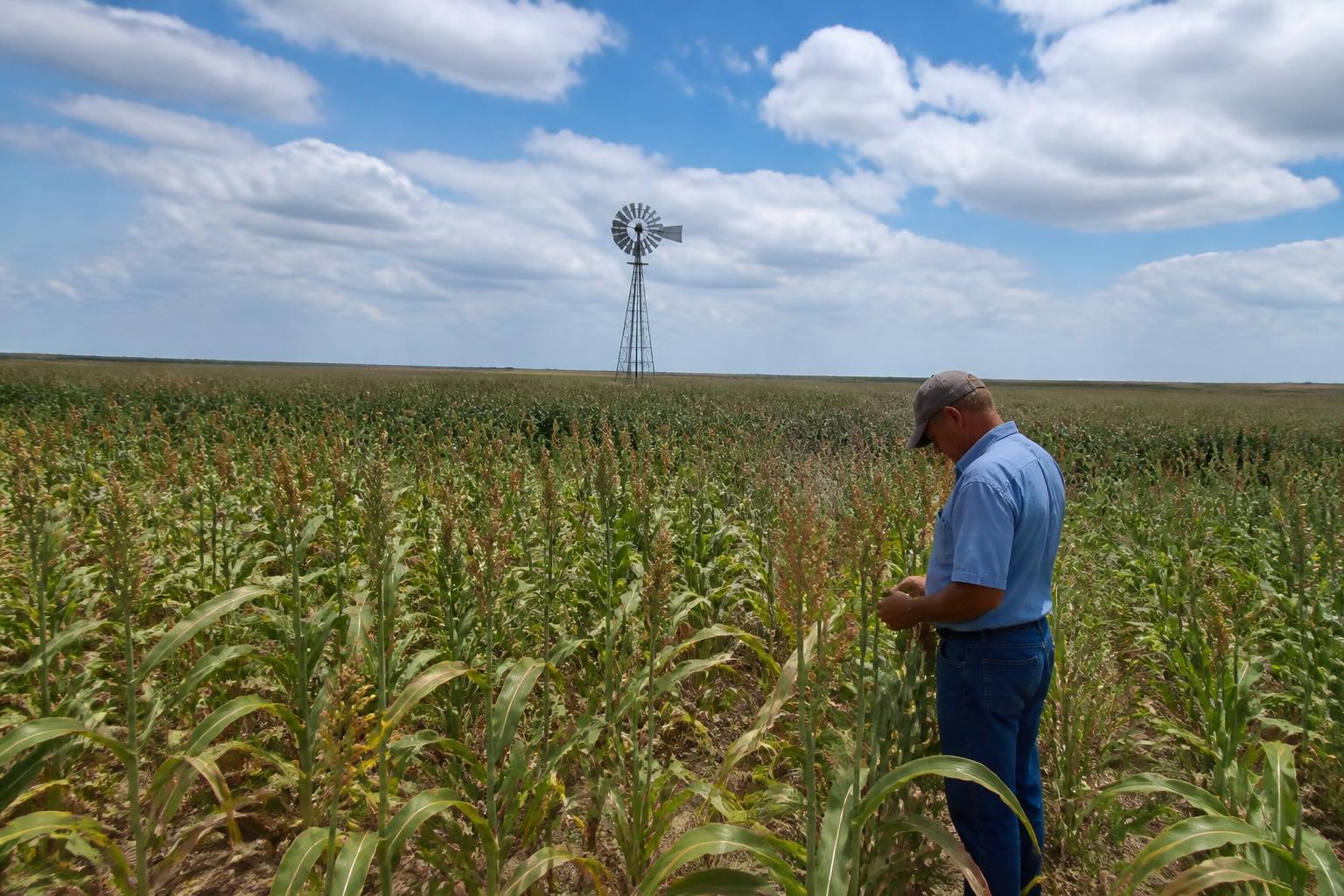
As Texas producers navigate the challenges of summer, shifting weather patterns and regional logistics continue to impact grain movement and market sentiment across the state.
Rhode Island producers are on high alert as the spotted lanternfly enters the state, threatening local crops and requiring immediate vigilance in field and logistics management.
Vermont producers are balancing shifting environmental standards, such as new pesticide restrictions, while maintaining operational momentum in a competitive summer market.
As Maryland growers head into mid-summer, fertilizer price instability and shifting supply chains are forcing producers to prioritize budget efficiency and long-term nutrient management.
Massachusetts farmers are increasingly turning to biological and precision-based crop protection strategies to manage mid-summer pest pressures and enhance long-term sustainability.
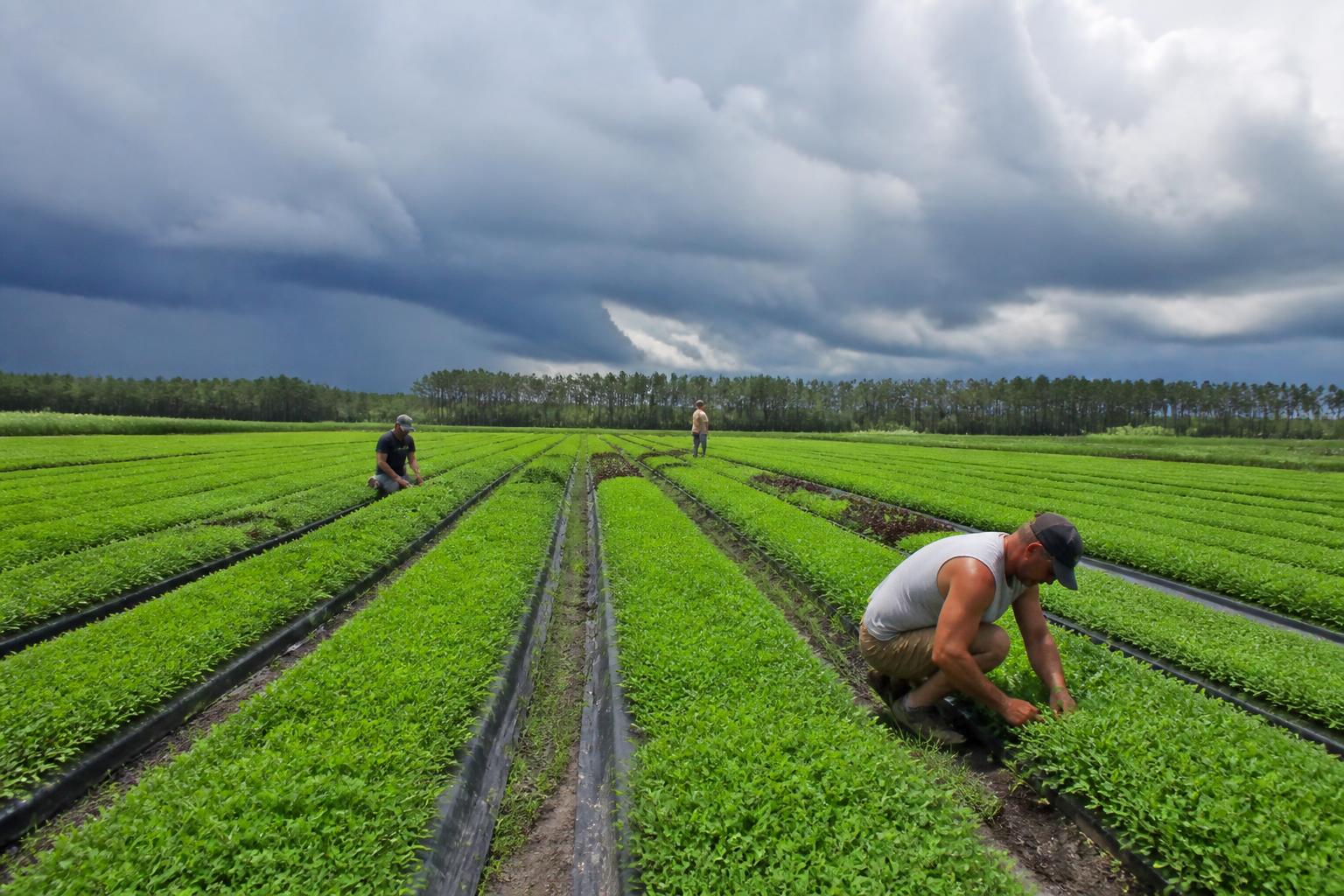
As Florida producers manage summer growing conditions, shifts in input accessibility and evolving market conditions highlight the need for strategic supply chain management.
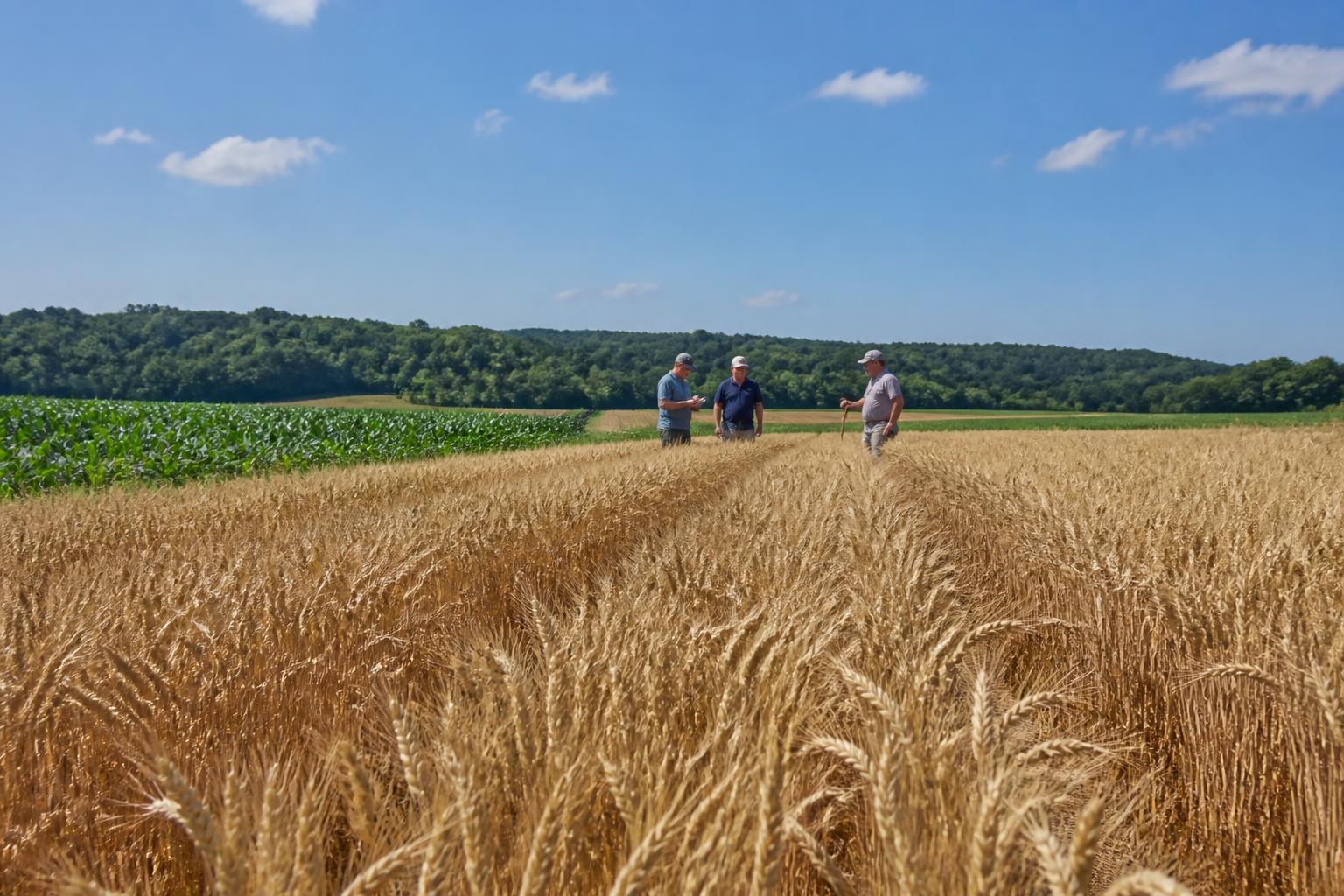
Missouri farmers are facing a complex summer as dry conditions impact wheat yields while concerns over trade policy and input costs loom over the season.
Maine farmers are navigating a shifting landscape defined by new environmental regulations on inputs and persistent weather volatility impacting local food chains.
Sign in to manage requests, save contacts and respond to market offers quickly.
Continue with Google Continue with MicrosoftSign in to manage requests, save contacts and respond to market offers quickly.
Continue with Google Continue with MicrosoftEnter your email and we will send a password reset link.
Don't have an account?
We value your privacy
We use cookies to run the site and, with your consent, to measure traffic (Google Analytics) and personalize ads. You can accept, reject, or choose. Privacy Policy