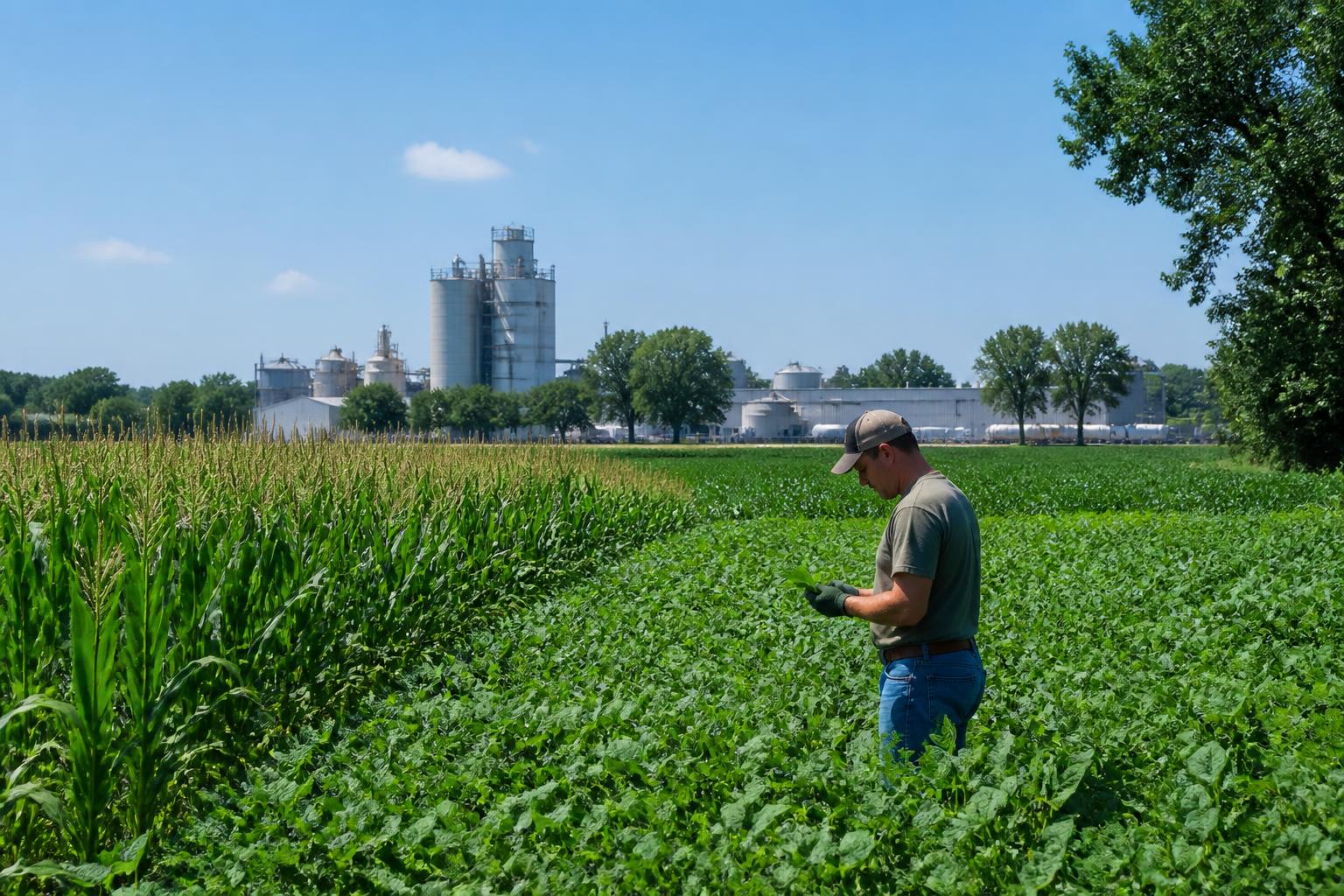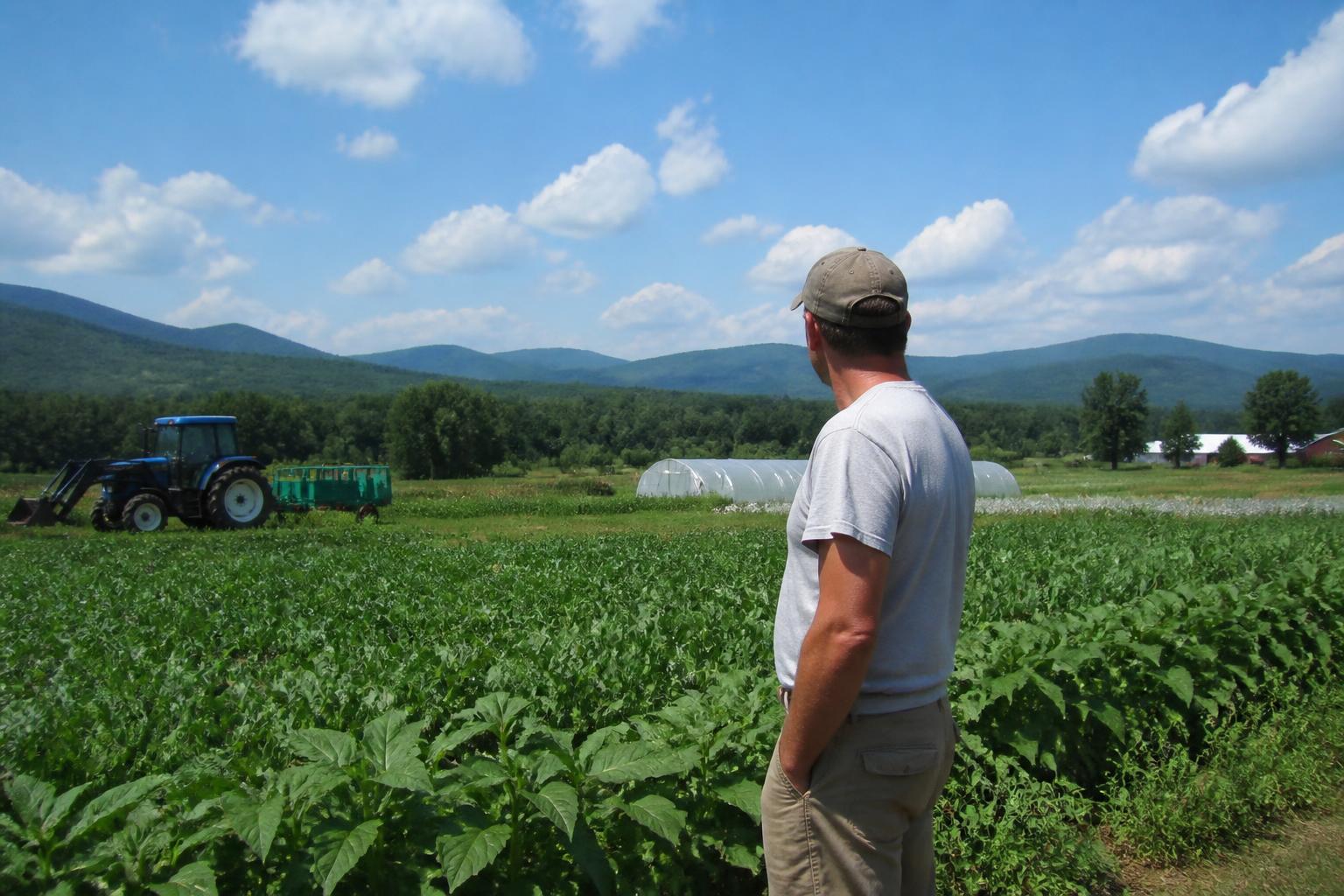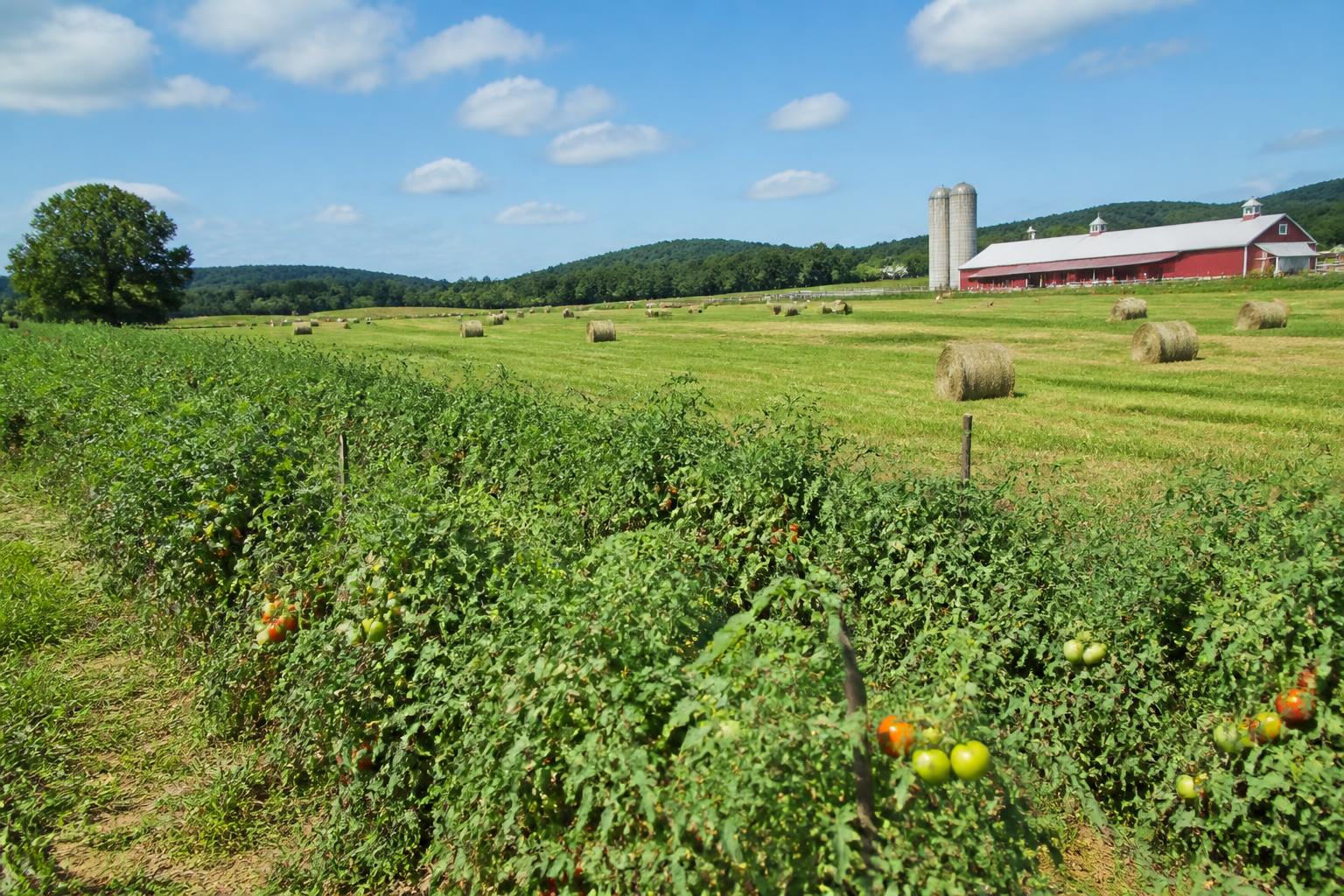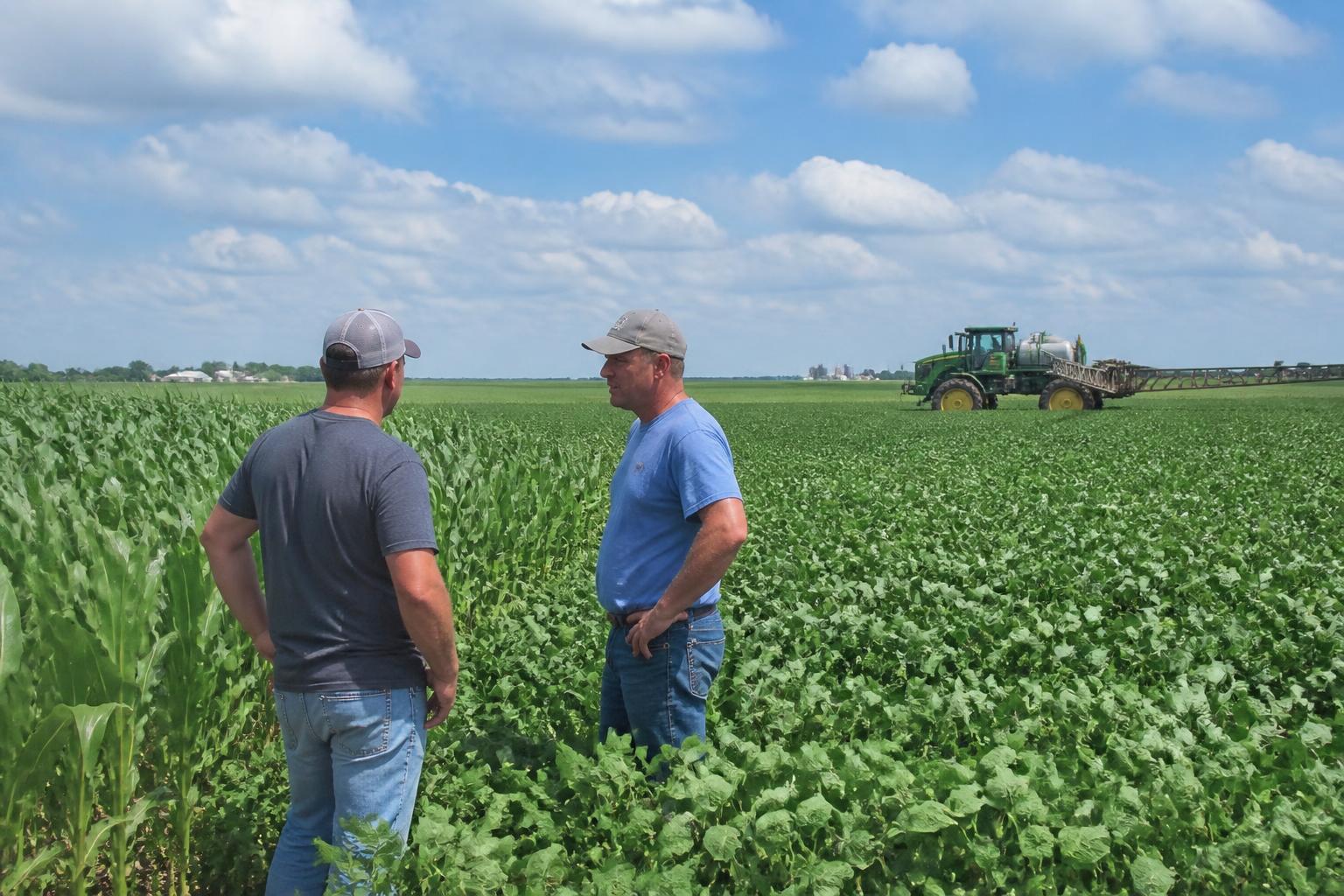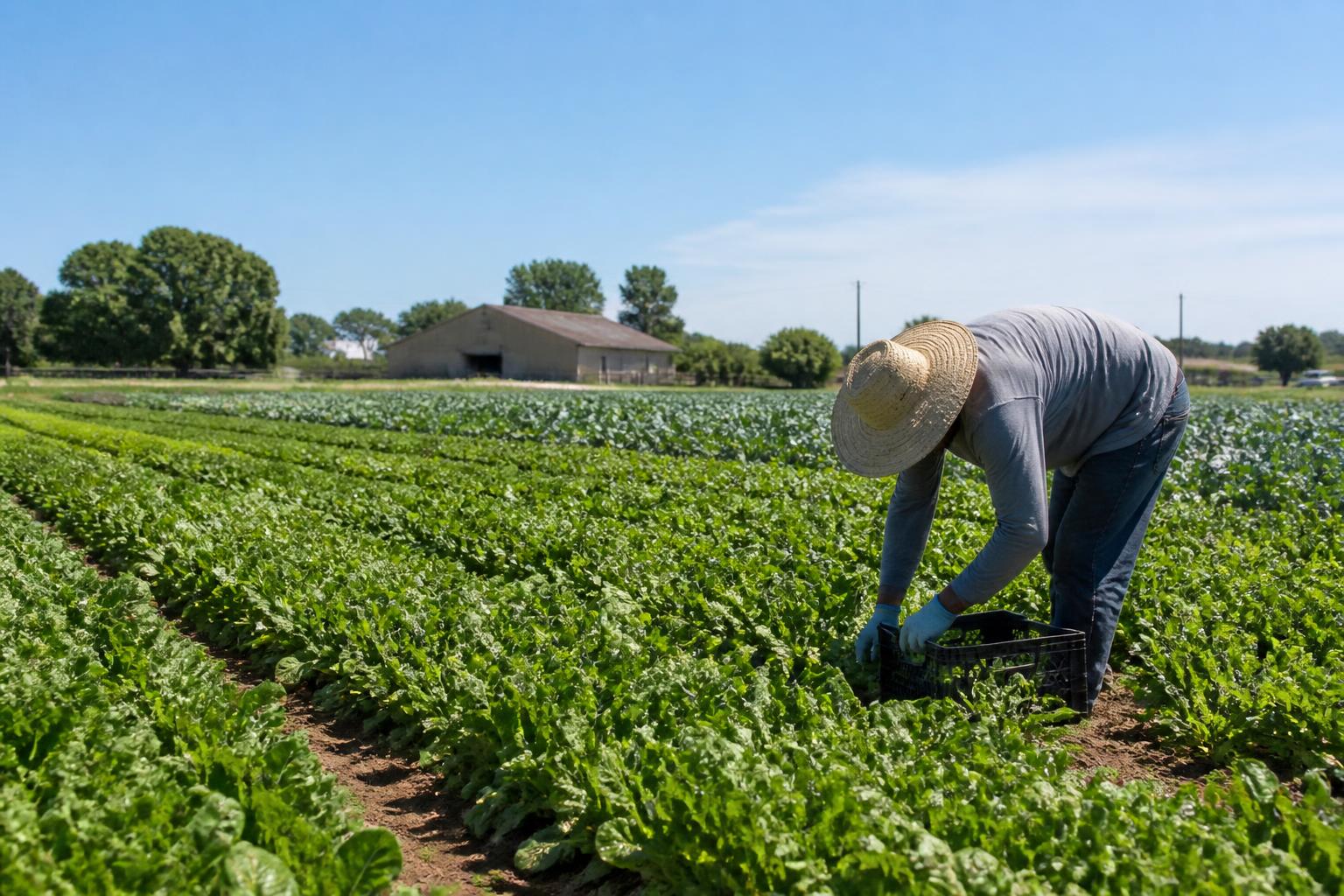
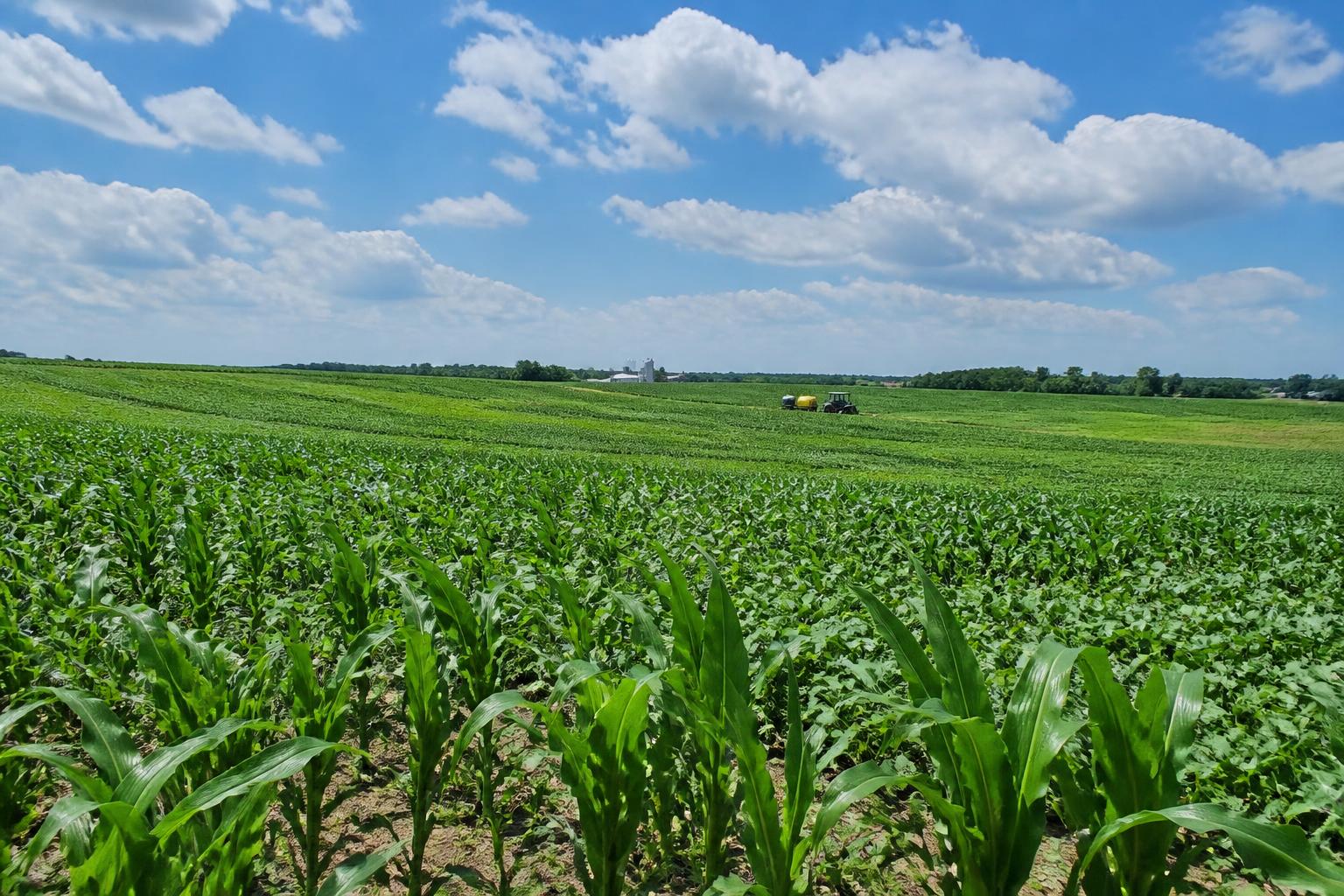
Optimizing Mid-Season Crop Protection in New York: Strategies for 2026
As New York farmers navigate mid-summer growth stages, shifting market demands and input availability require a tactical approach to crop protection budgeting and application.
We collect original digests and analytical notes based on facts, market signals and verified sources.
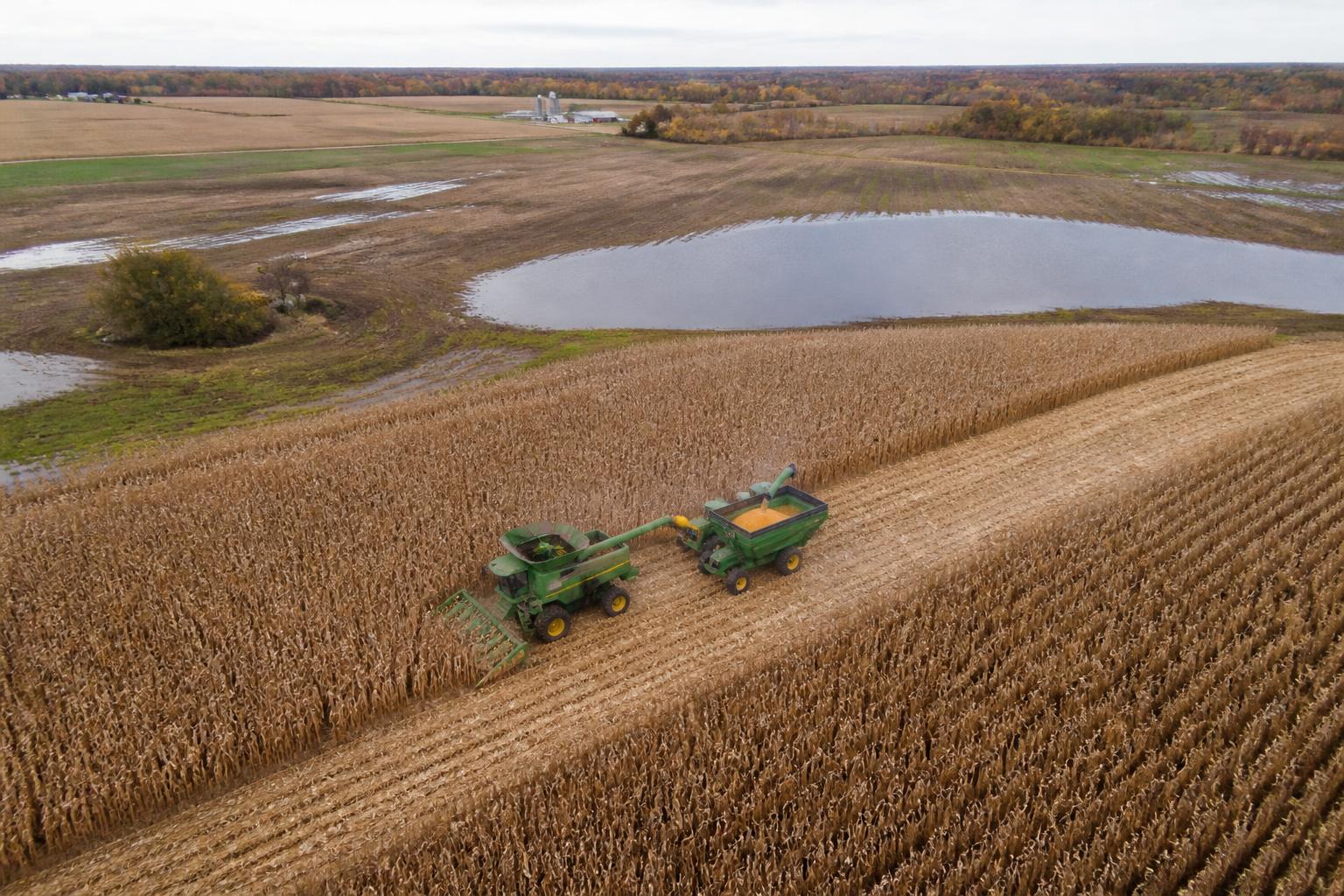
As Indiana farmers advance through the fall harvest, varying crop maturity and localized moisture impacts continue to influence logistics and grain movement across the state.
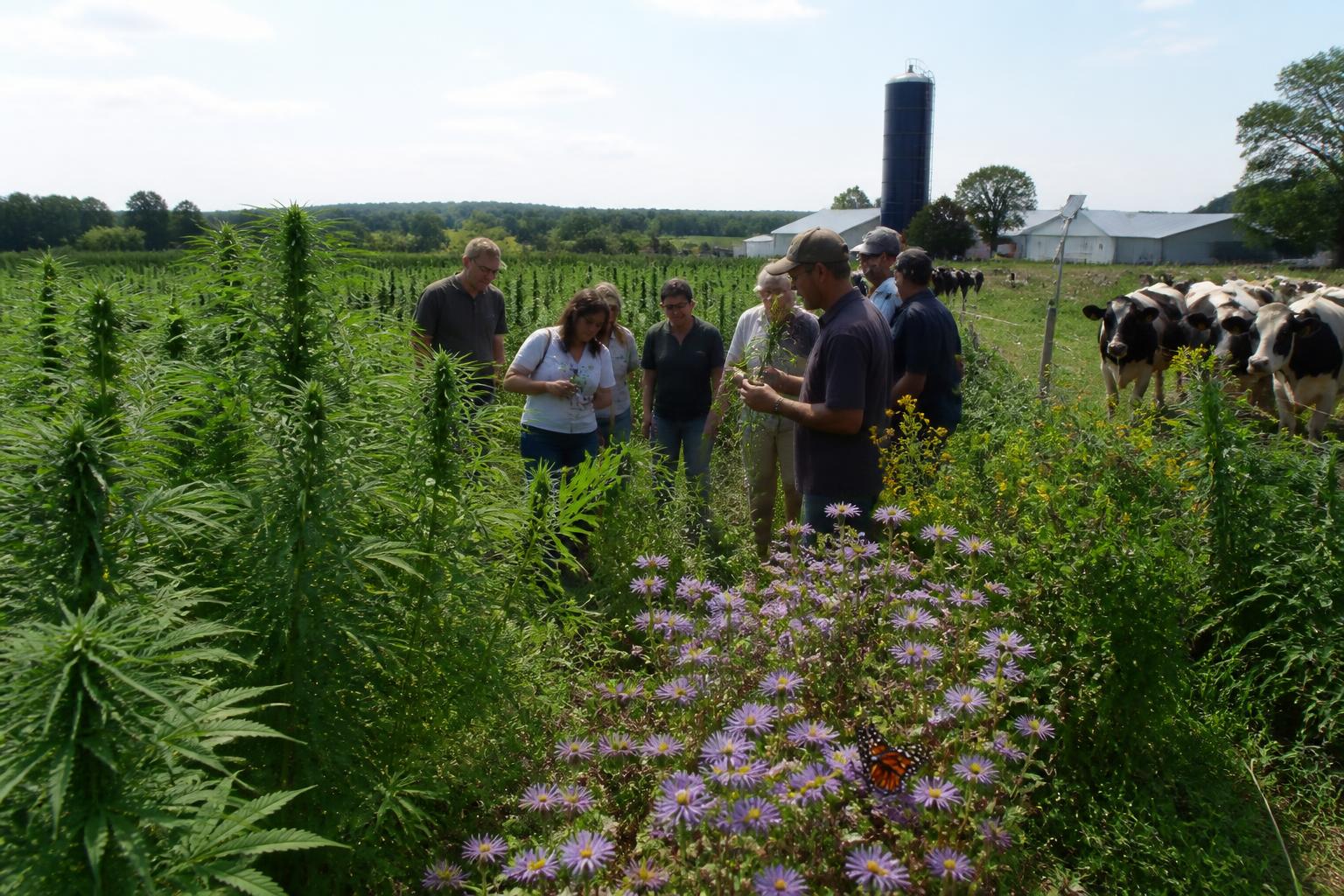
As New York farmers navigate mid-summer growth stages, shifting market demands and input availability require a tactical approach to crop protection budgeting and application.
Wisconsin agricultural producers are increasingly integrating targeted pest management and collaborative watershed initiatives to navigate current field and regulatory pressures.
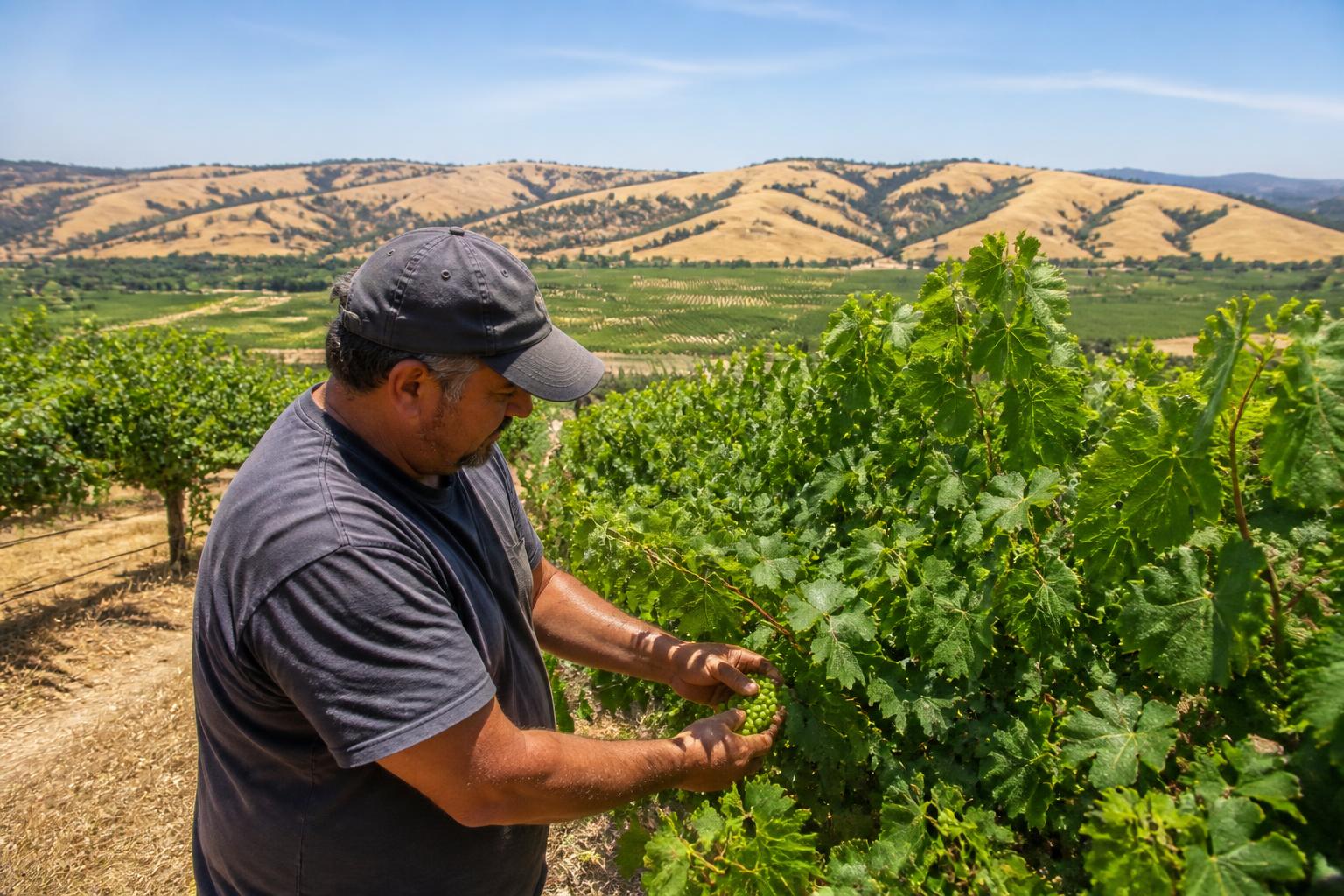
As California moves deeper into the summer harvest, growers and shippers are increasingly relying on real-time logistical coordination and advanced tracking to manage transportation bottlenecks and maintain market efficiency.
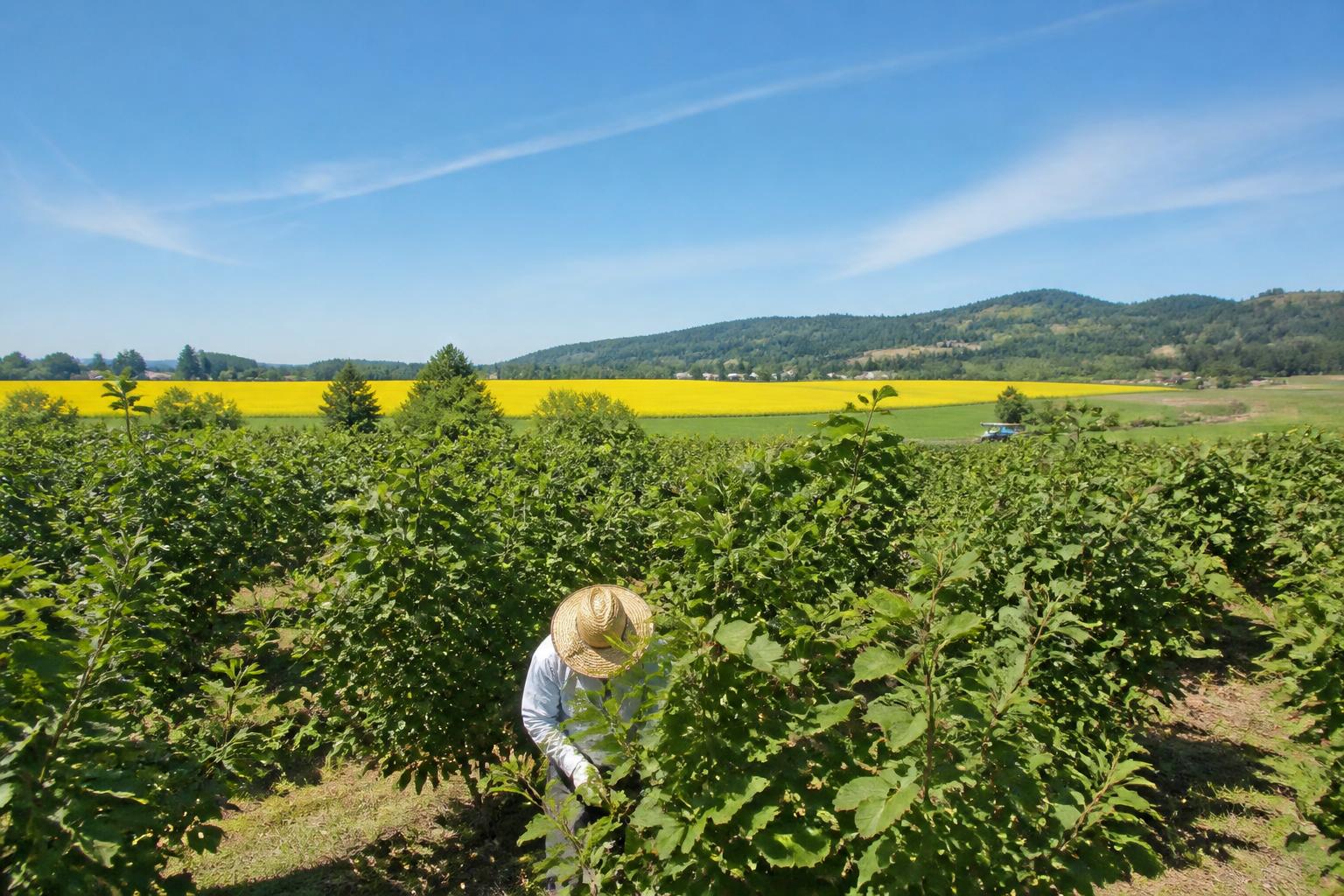
As summer operations peak across Oregon, producers are navigating a tightening margin environment driven by high input costs and ongoing policy discussions regarding environmental stewardship.
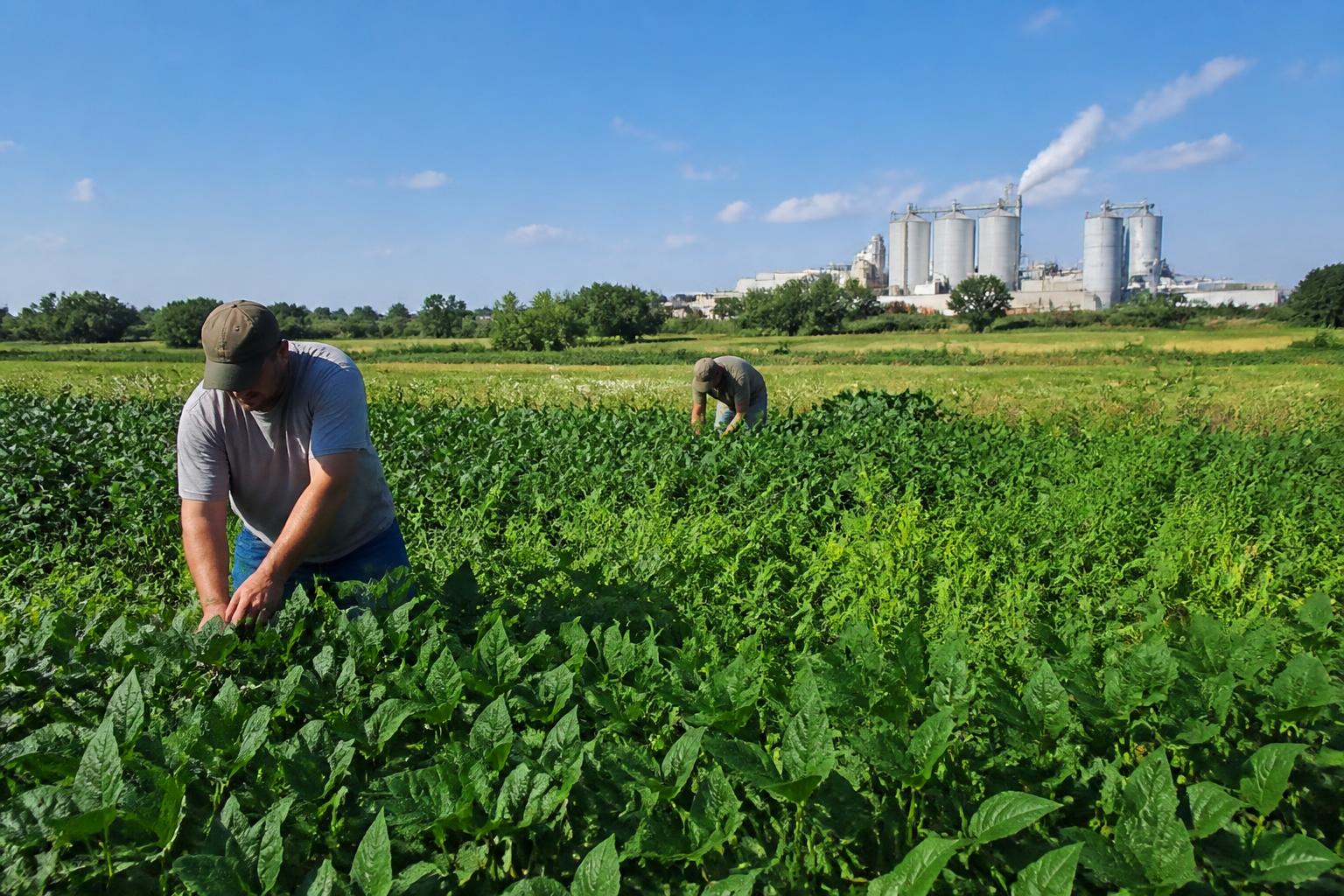
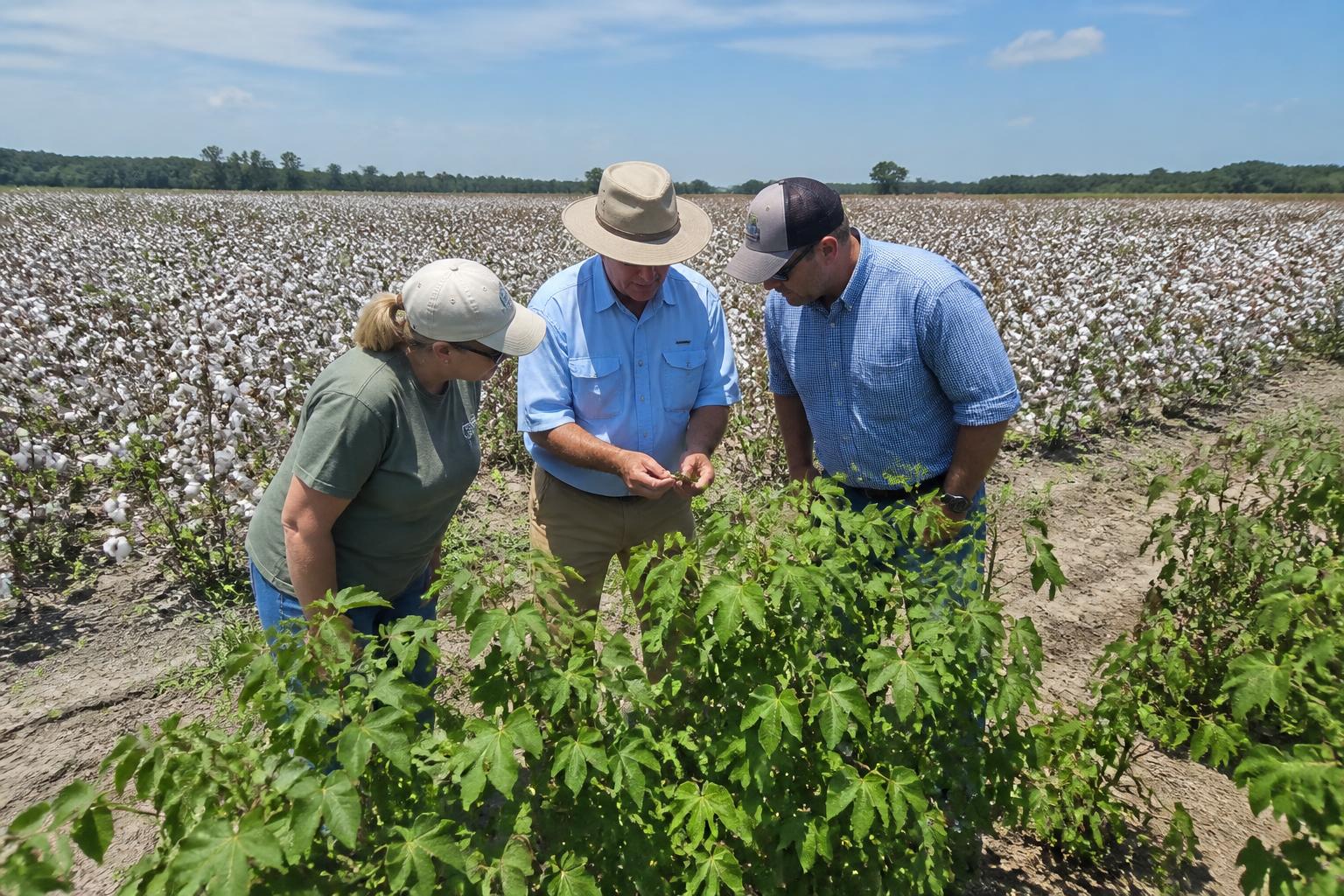
As Indiana's summer crops progress, farmers face increasing pressure from disease risks while local infrastructure investments, such as new feed mill capacity, offer long-term support for state grain markets.
As Nebraska enters the height of the summer season, producers and agribusinesses are navigating a combination of infrastructure shifts, cost pressures, and a strengthening dairy processing landscape.
As summer production continues, New Hampshire producers are leveraging new financial resources and support programs to mitigate weather-related risks and strengthen regional food supply chains.
As Maryland producers push through the summer growing season, maintaining optimal soil nutrient levels remains critical for securing yield potential amidst shifting climate conditions.
As Washington state farmers move through the summer season, international trade negotiations and concerns over potential trade tensions remain top of mind for producers across the region.
As Massachusetts producers manage mid-summer crop protection, they are balancing evolving labor standards and the search for resilient supply chain solutions.
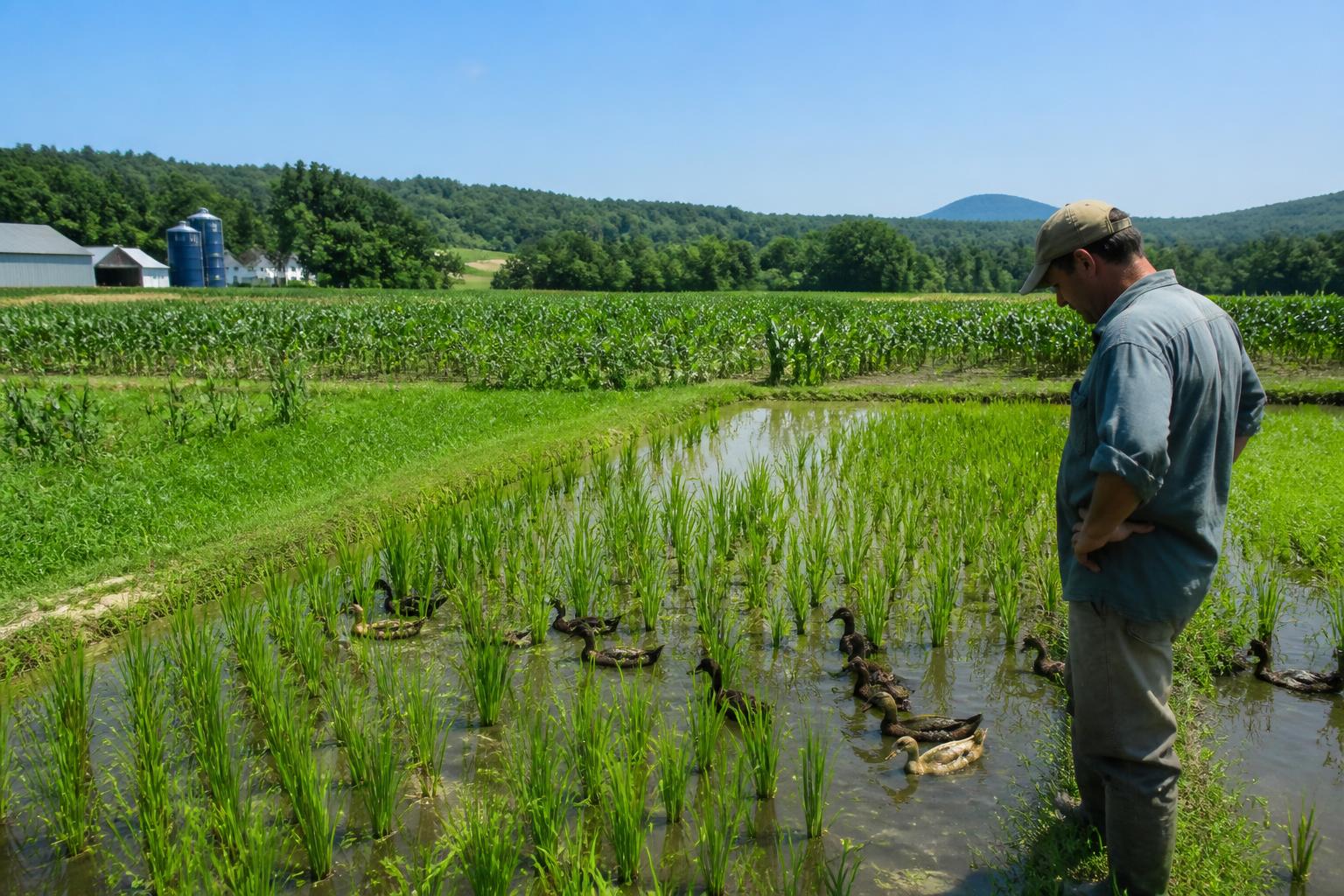
Vermont producers are evaluating long-term farm management strategies and technological integration as they navigate a shifting landscape of input costs and environmental stewardship.
As Alabama producers navigate a complex summer season, evolving legislative shifts and infrastructure challenges are shaping the local agricultural landscape.
Sign in to manage requests, save contacts and respond to market offers quickly.
Continue with Google Continue with MicrosoftSign in to manage requests, save contacts and respond to market offers quickly.
Continue with Google Continue with MicrosoftEnter your email and we will send a password reset link.
Don't have an account?
We value your privacy
We use cookies to run the site and, with your consent, to measure traffic (Google Analytics) and personalize ads. You can accept, reject, or choose. Privacy Policy