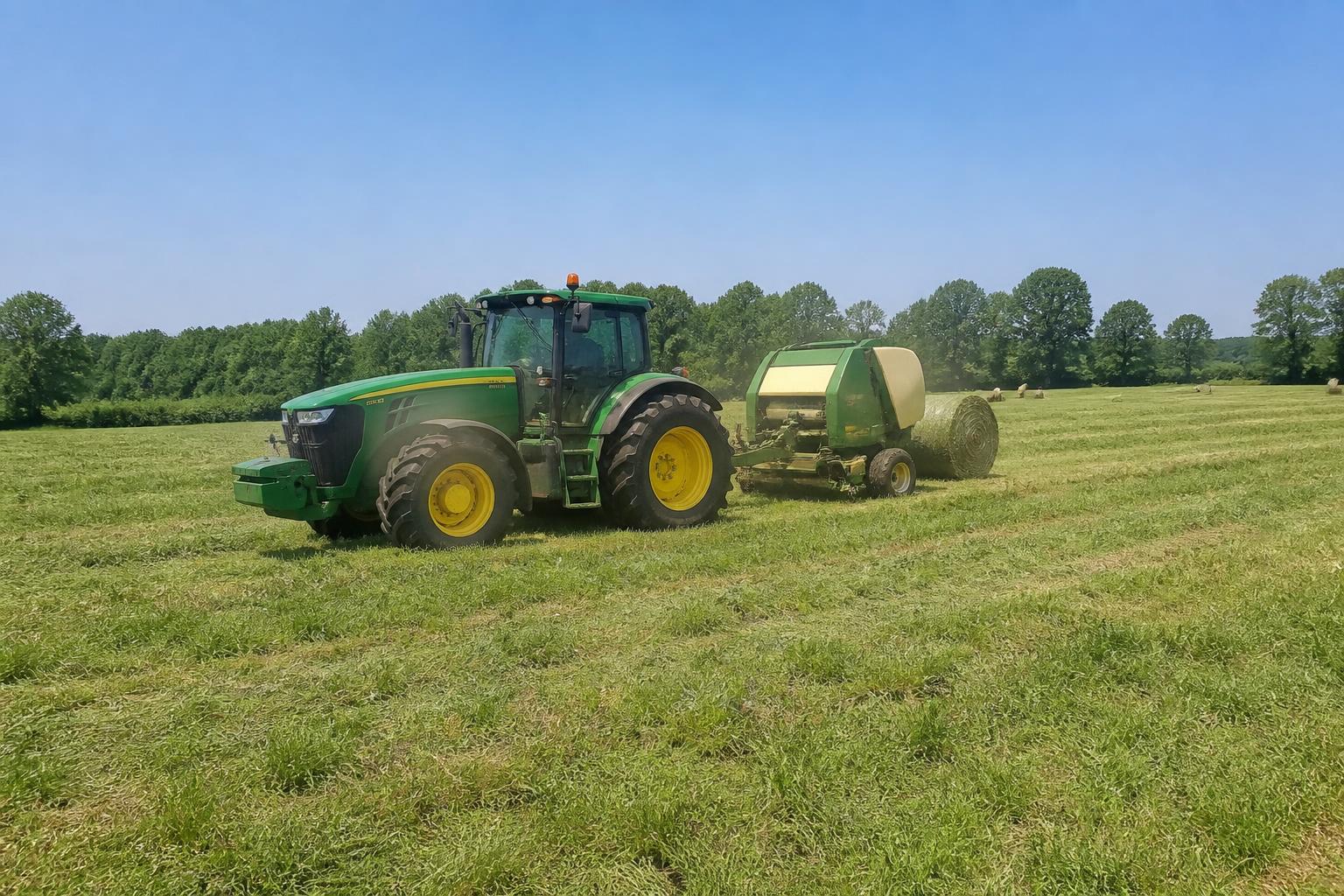
Delaware Crop Protection Update: Managing Late-Season Field Pressures
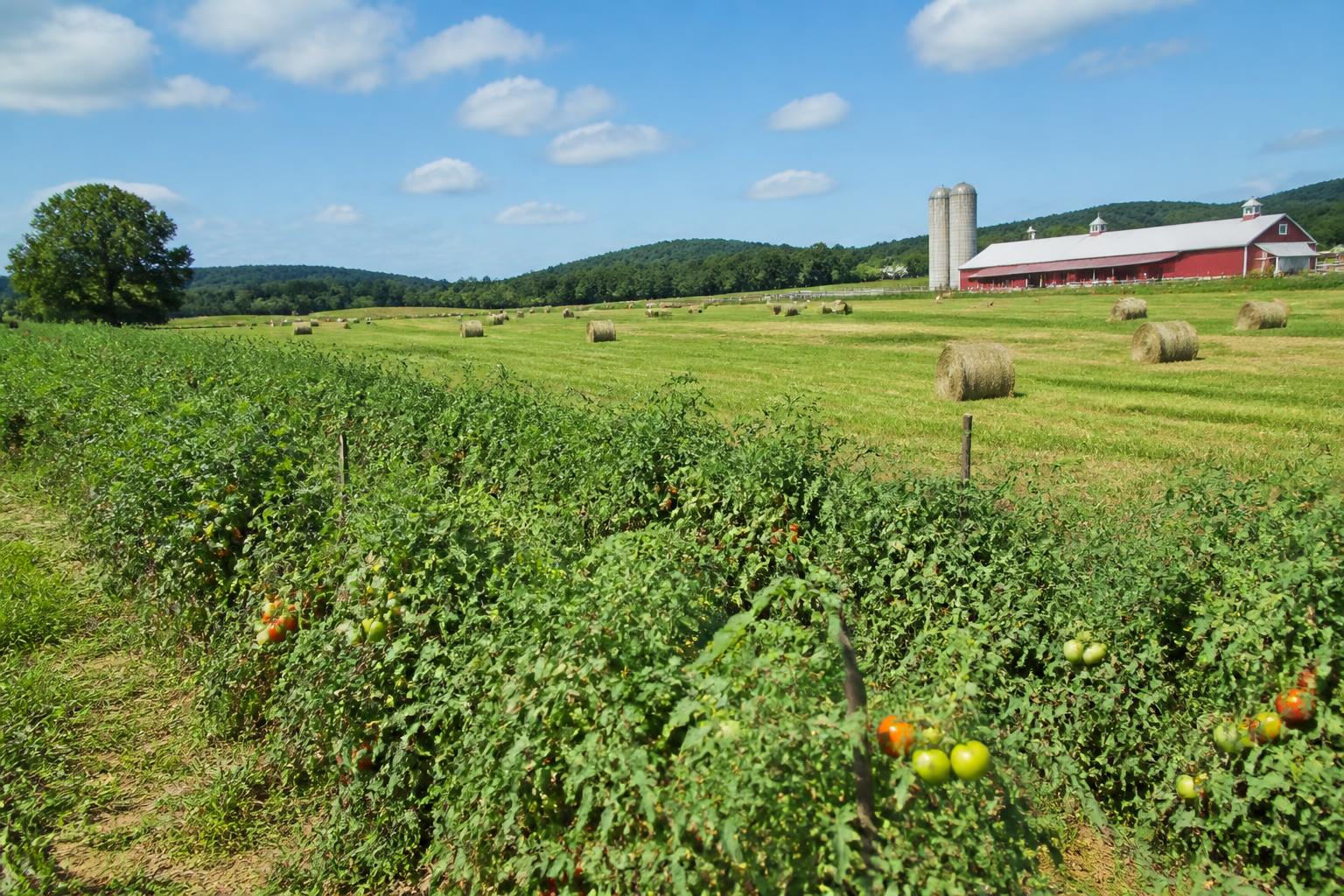
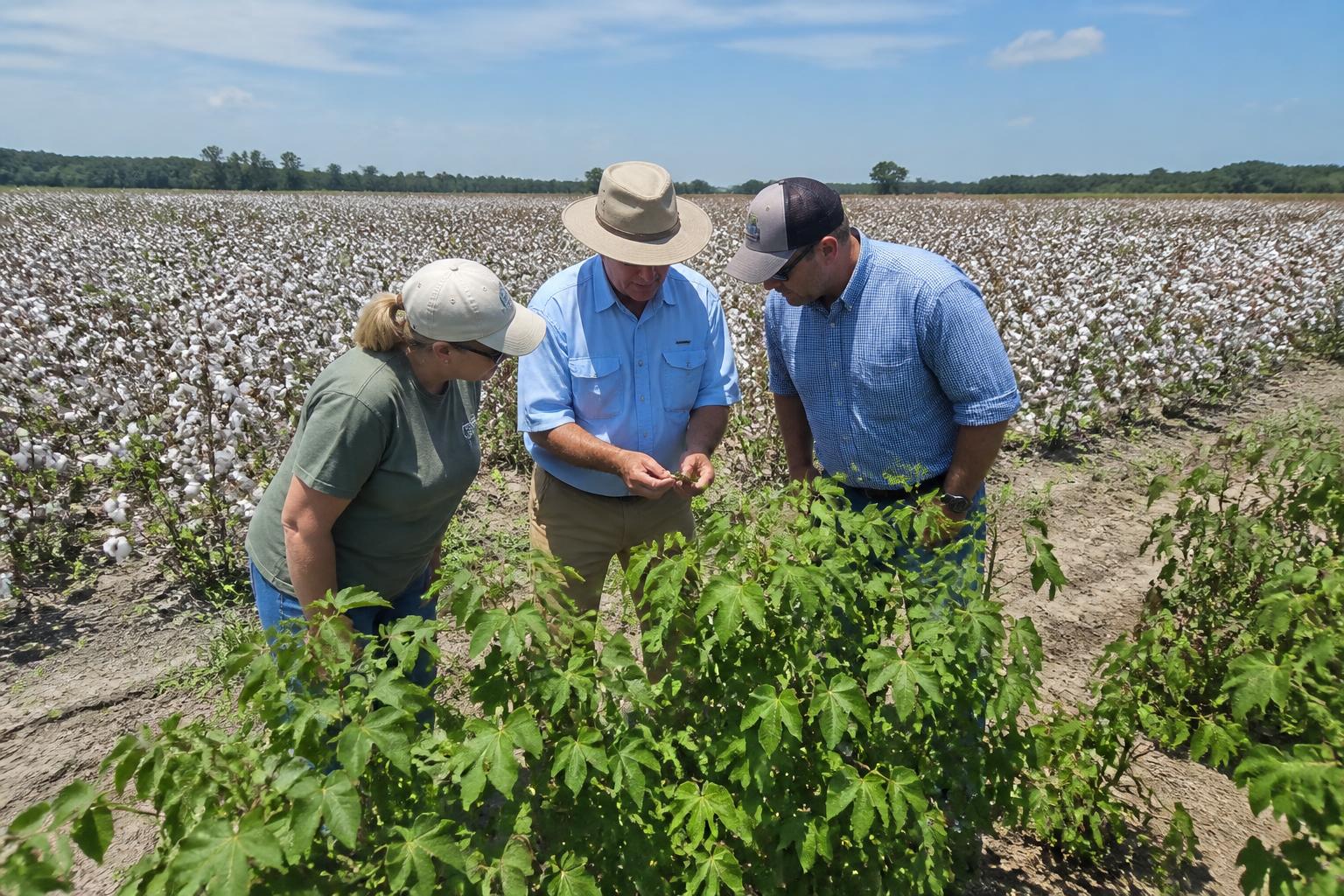
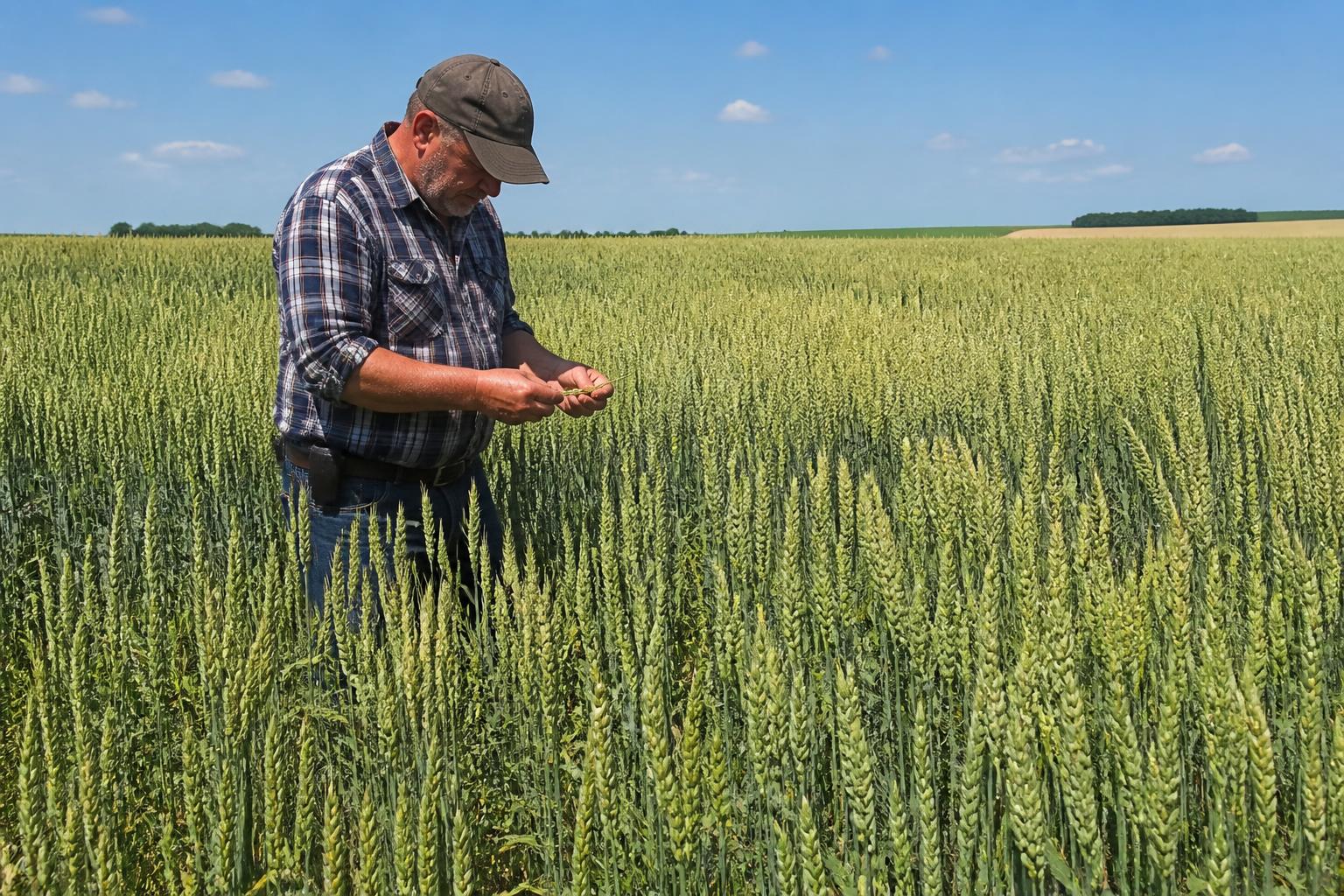
As Delaware farmers move through the heat of mid-summer, staying ahead of pest and disease cycles is essential for protecting yield potential.
We collect original digests and analytical notes based on facts, market signals and verified sources.
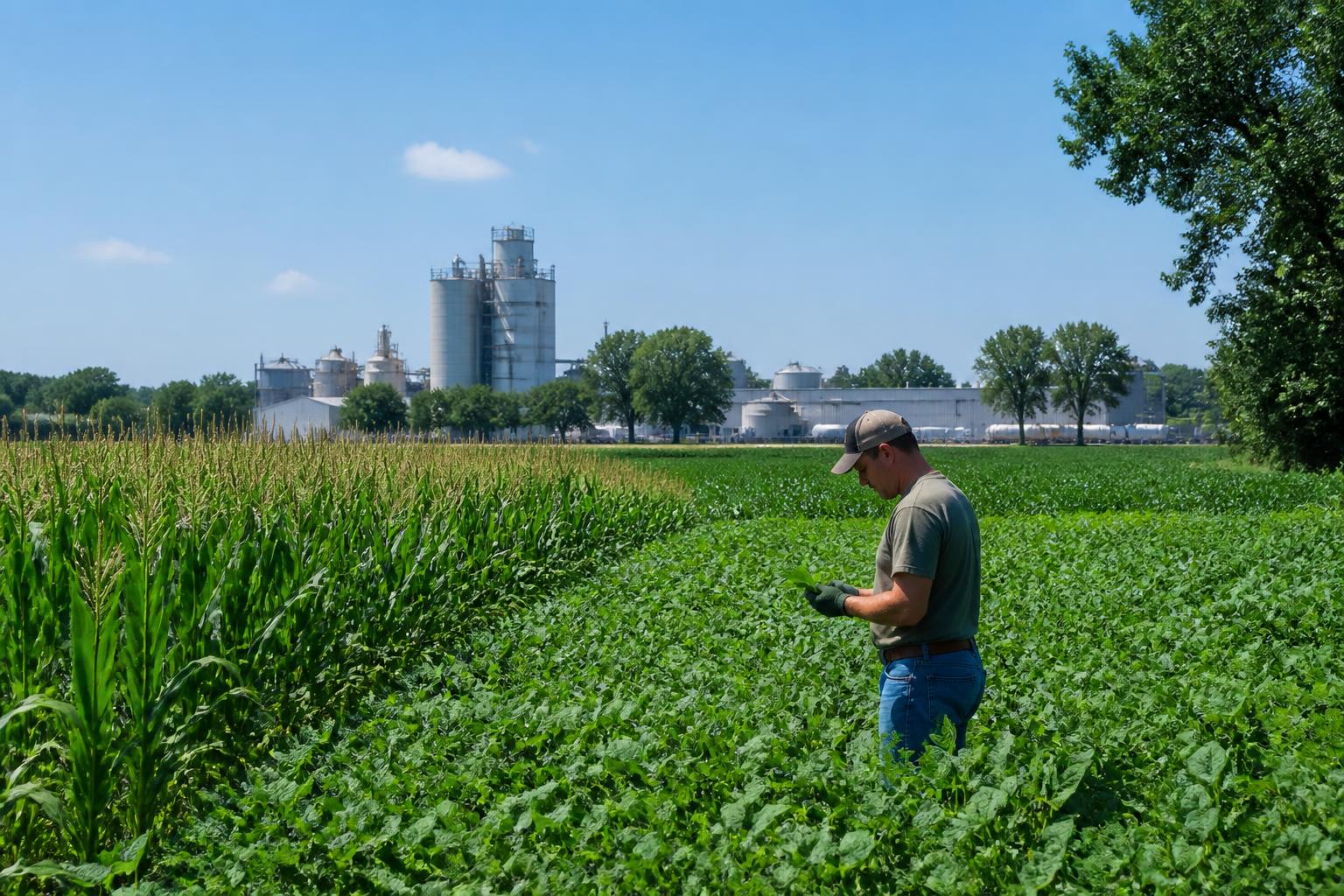
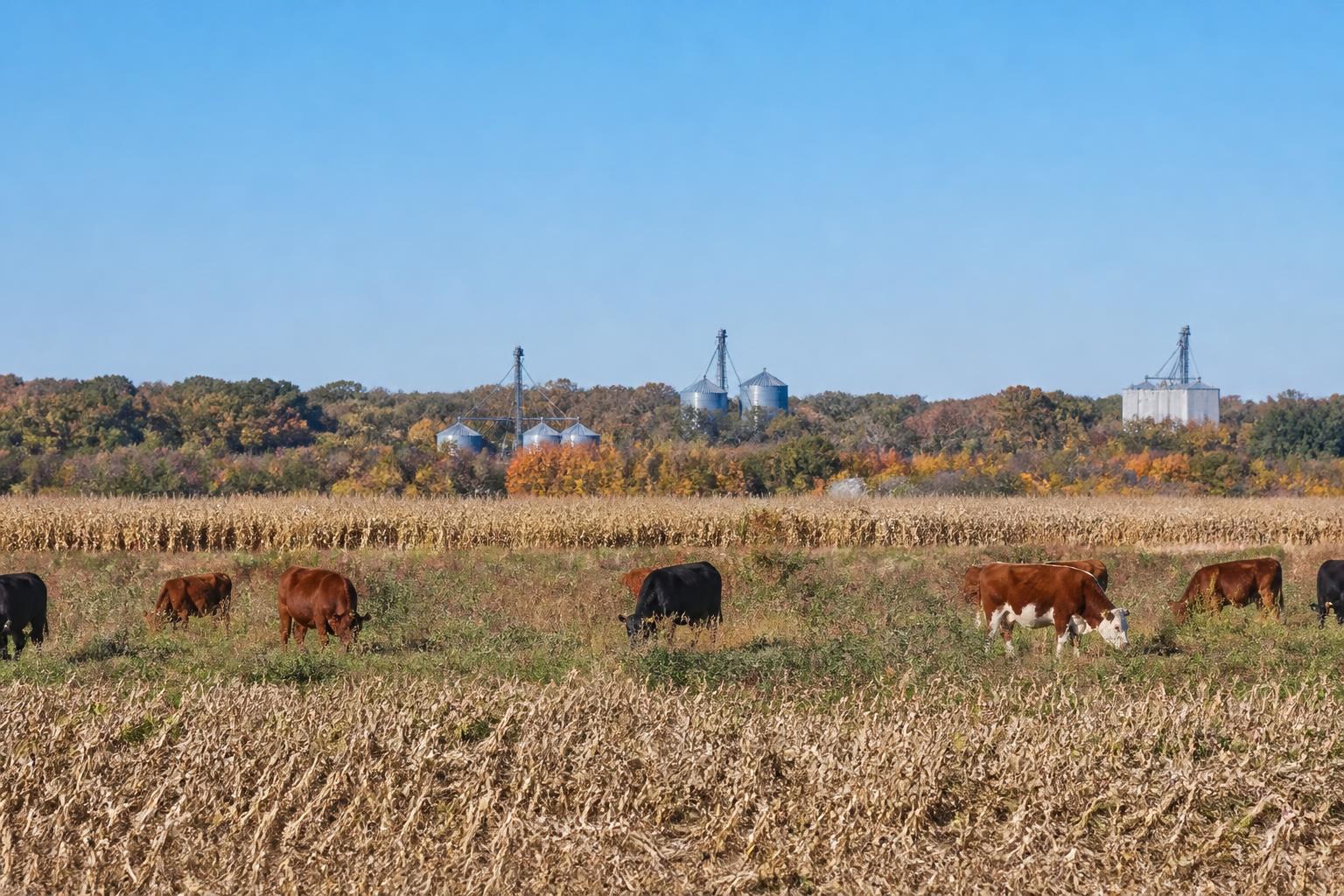
As Minnesota corn harvest accelerates, farmers are navigating shifting infrastructure capacity and rising input costs, particularly for fertilizers.
As Delaware farmers move through the heat of mid-summer, staying ahead of pest and disease cycles is essential for protecting yield potential.
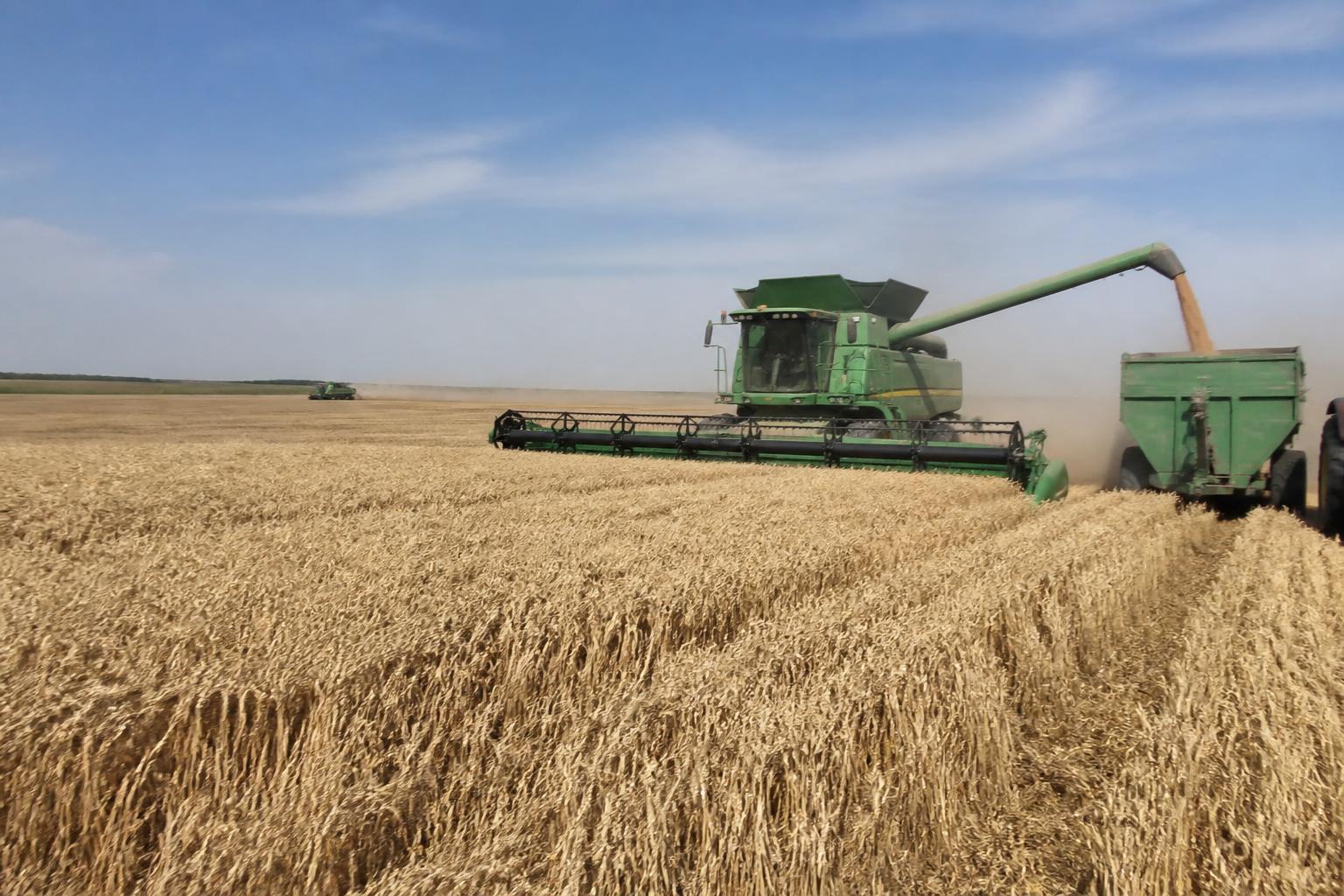
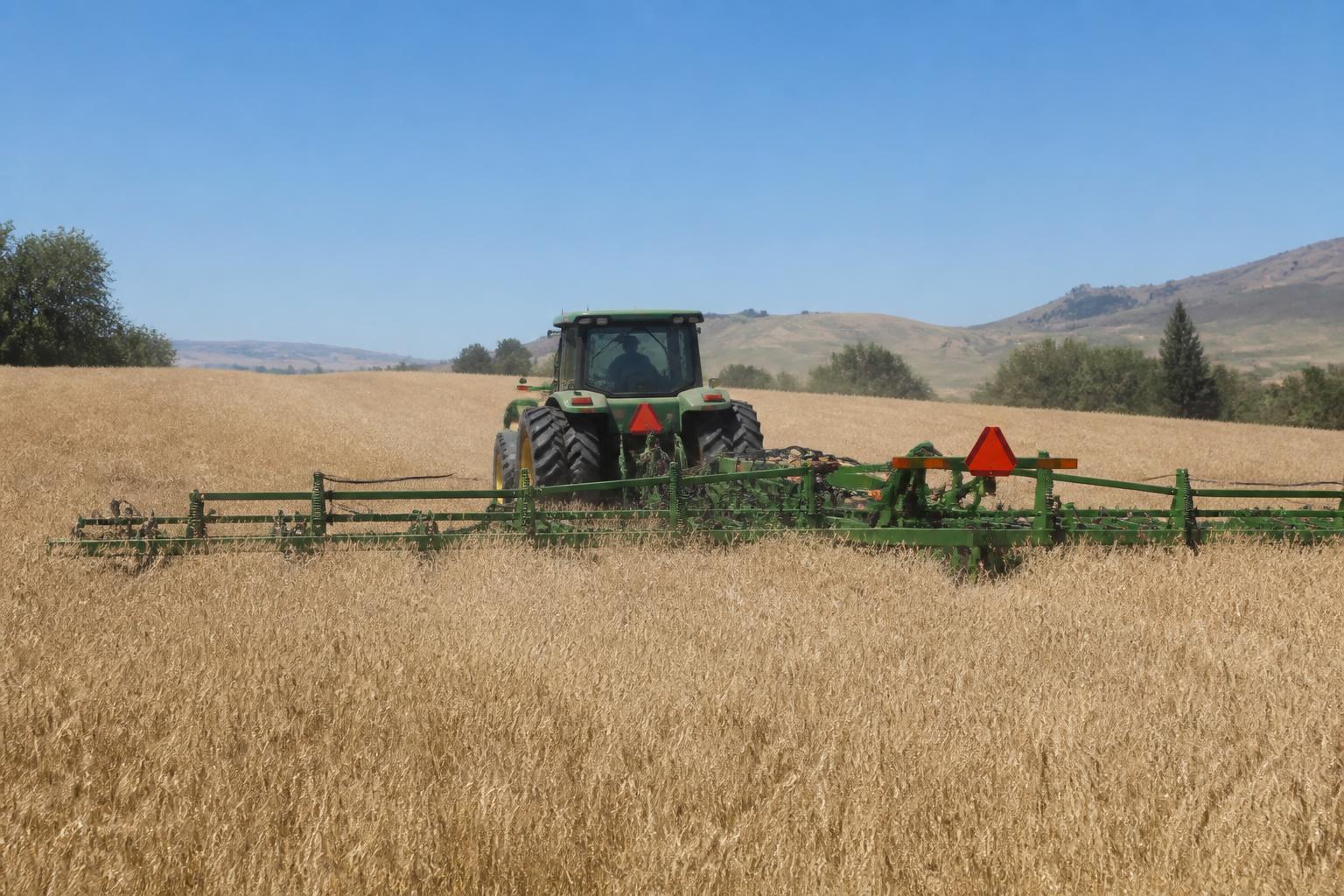
As winter wheat harvest operations move across Colorado, growers remain focused on market volatility and the shifting landscape of agricultural policy and operational support.
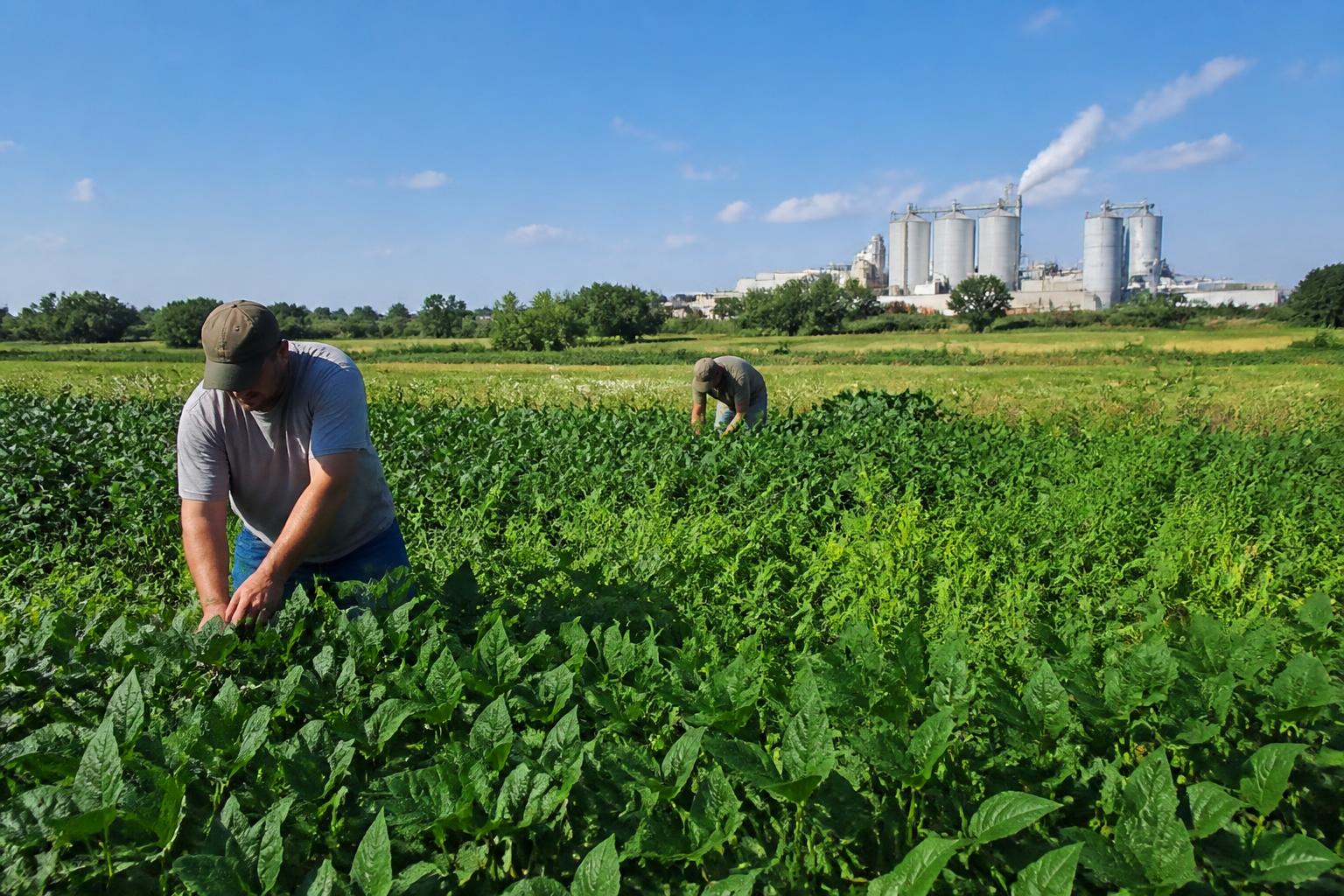
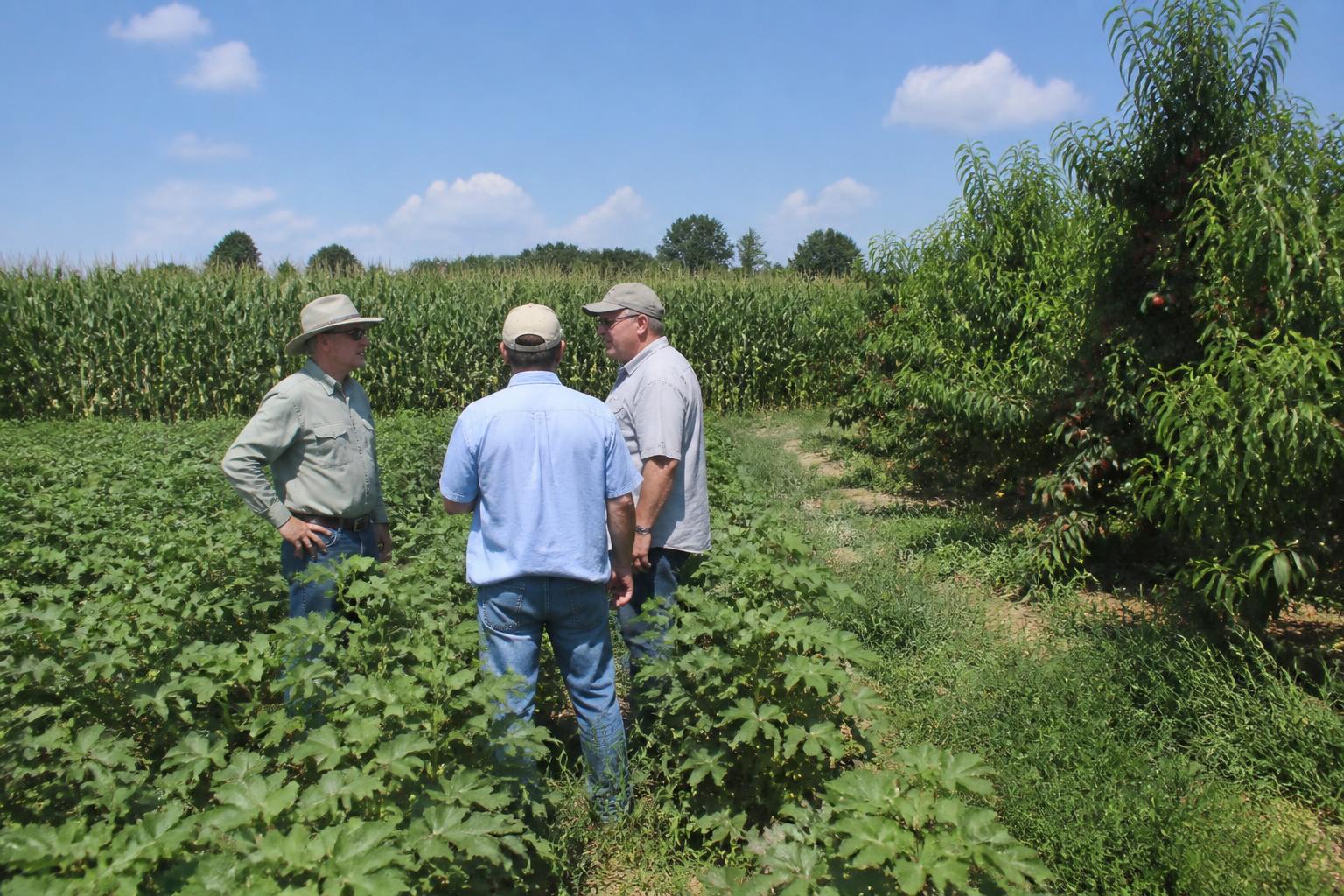
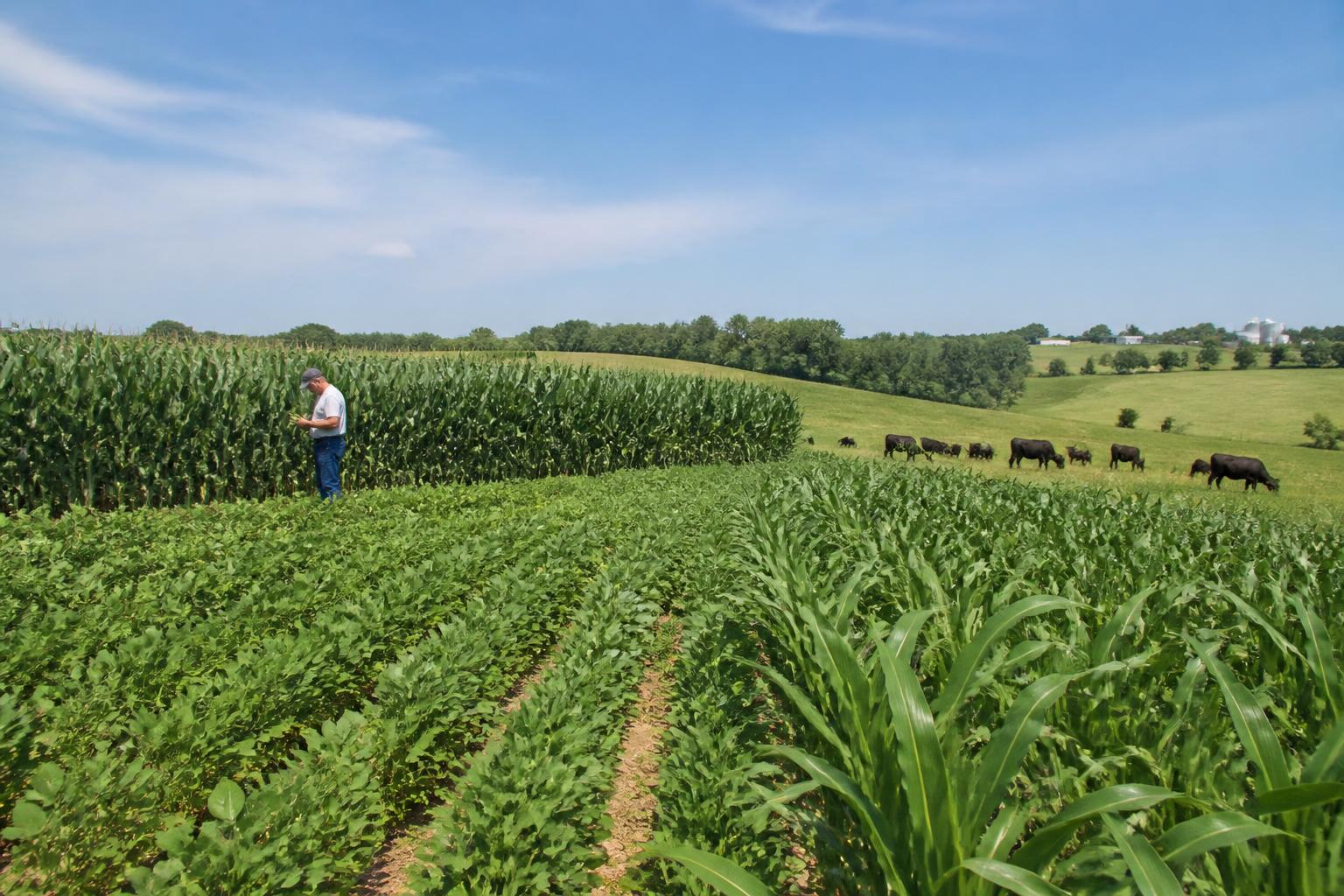
As Indiana's summer crops progress, farmers face increasing pressure from disease risks while local infrastructure investments, such as new feed mill capacity, offer long-term support for state grain markets.
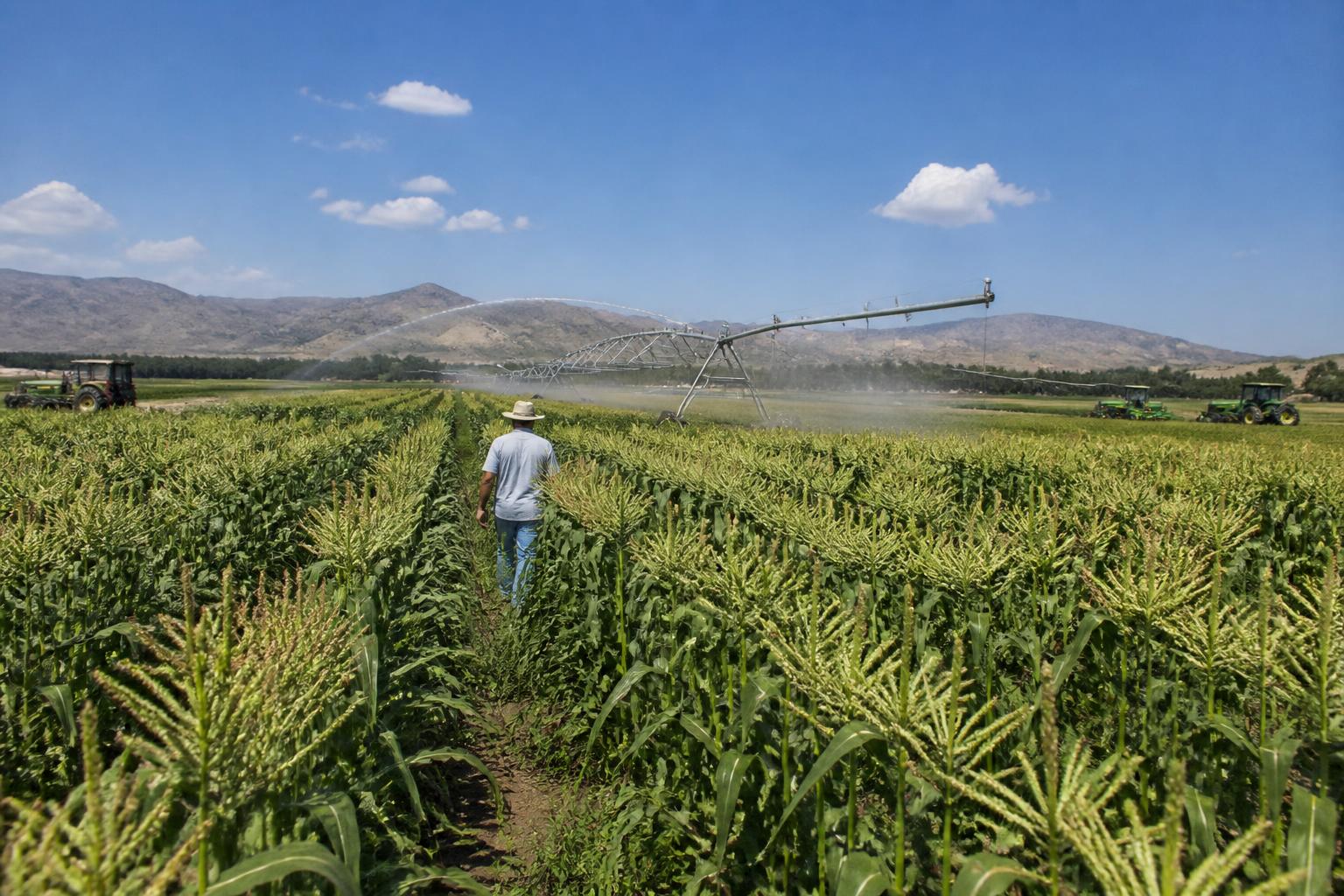
As Nebraska enters the height of the summer season, producers and agribusinesses are navigating a combination of infrastructure shifts, cost pressures, and a strengthening dairy processing landscape.
As Maryland producers push through the summer growing season, maintaining optimal soil nutrient levels remains critical for securing yield potential amidst shifting climate conditions.
As Alabama producers navigate a complex summer season, evolving legislative shifts and infrastructure challenges are shaping the local agricultural landscape.
Recent investments and agricultural advancements in Virginia are shaping the future of regional farming operations, from equipment access to production efficiency.
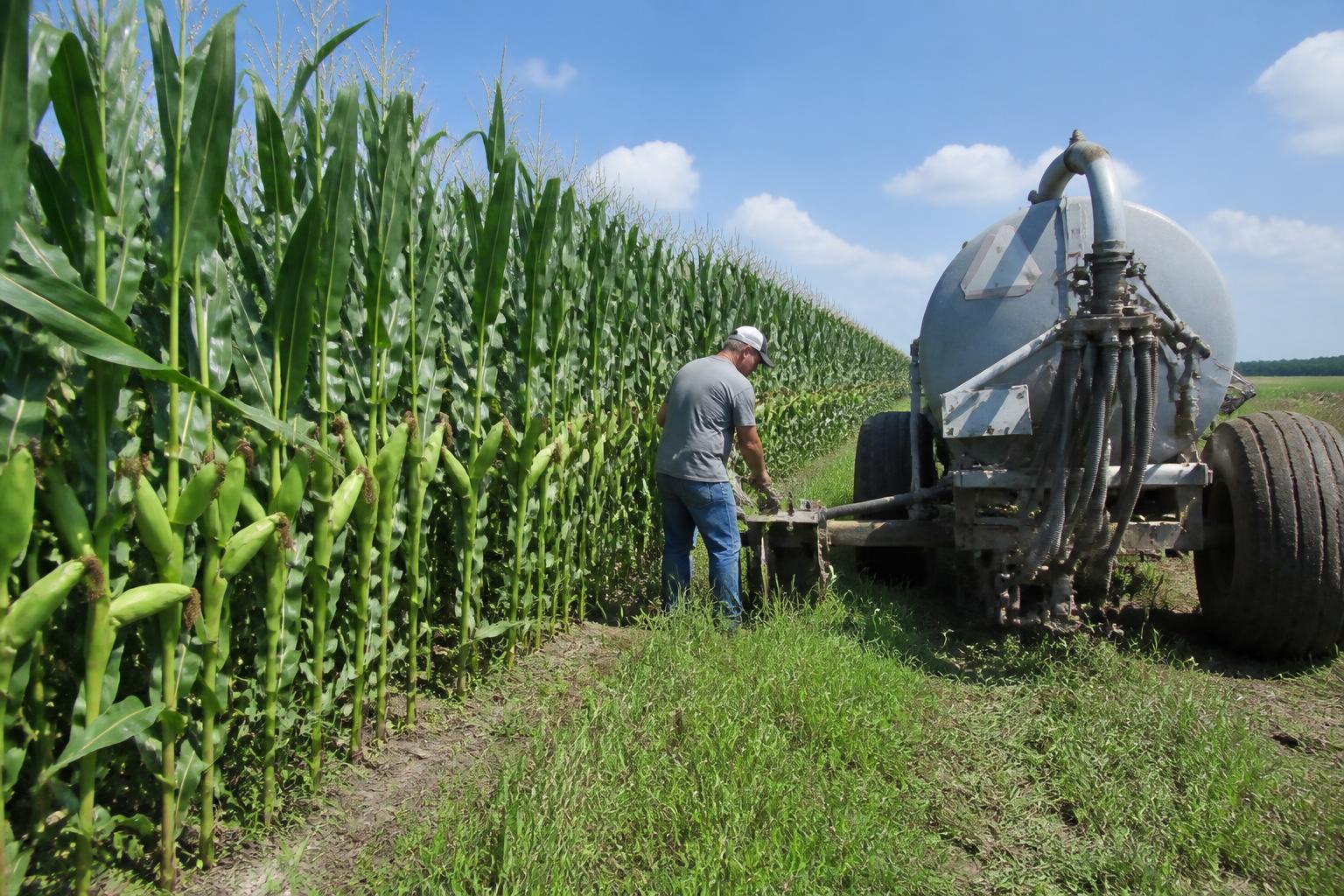
Ohio growers are managing complex mid-summer field conditions and shifting logistical demands, with new manure application techniques and crop management strategies coming to the fore.
Idaho farmers are navigating a complex summer, managing persistent weed threats, animal health challenges, and shifting regulatory landscapes that impact long-term operational sustainability.
As South Dakota crops reach critical mid-summer growth stages, producers are balancing input management with shifting regional logistics and regulatory considerations.
As New Hampshire producers adapt to unpredictable spring weather, many are exploring alternative crop strategies to stabilize revenue and ensure long-term farm viability.
Utah producers are evaluating shifting fertilizer market dynamics as tariff adjustments and sustained drought conditions influence seasonal input procurement strategies.
Sign in to manage requests, save contacts and respond to market offers quickly.
Continue with Google Continue with MicrosoftSign in to manage requests, save contacts and respond to market offers quickly.
Continue with Google Continue with MicrosoftEnter your email and we will send a password reset link.
Don't have an account?
We value your privacy
We use cookies to run the site and, with your consent, to measure traffic (Google Analytics) and personalize ads. You can accept, reject, or choose. Privacy Policy