Kansas Field Report: Managing Late-Season Pest and Disease Risks
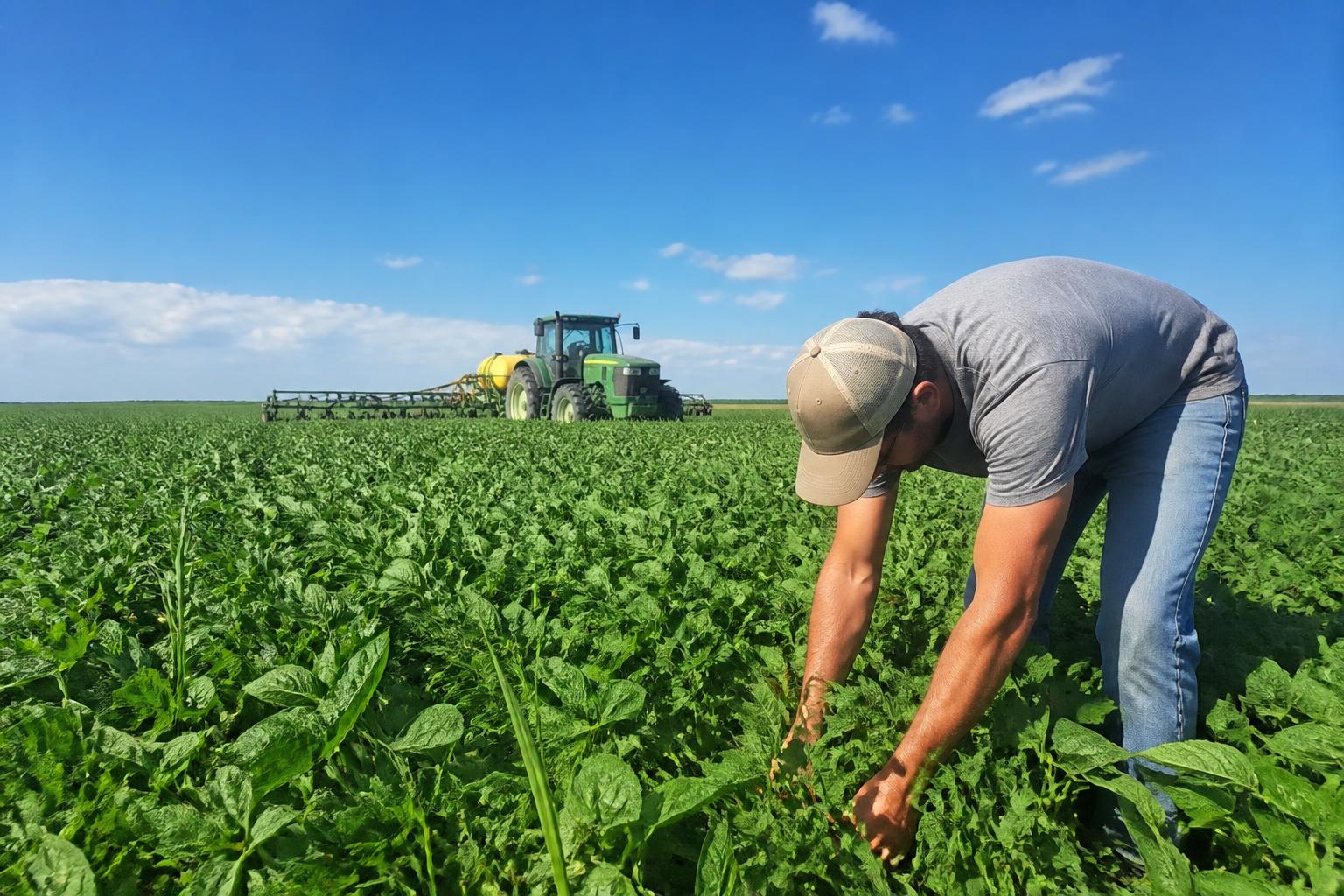
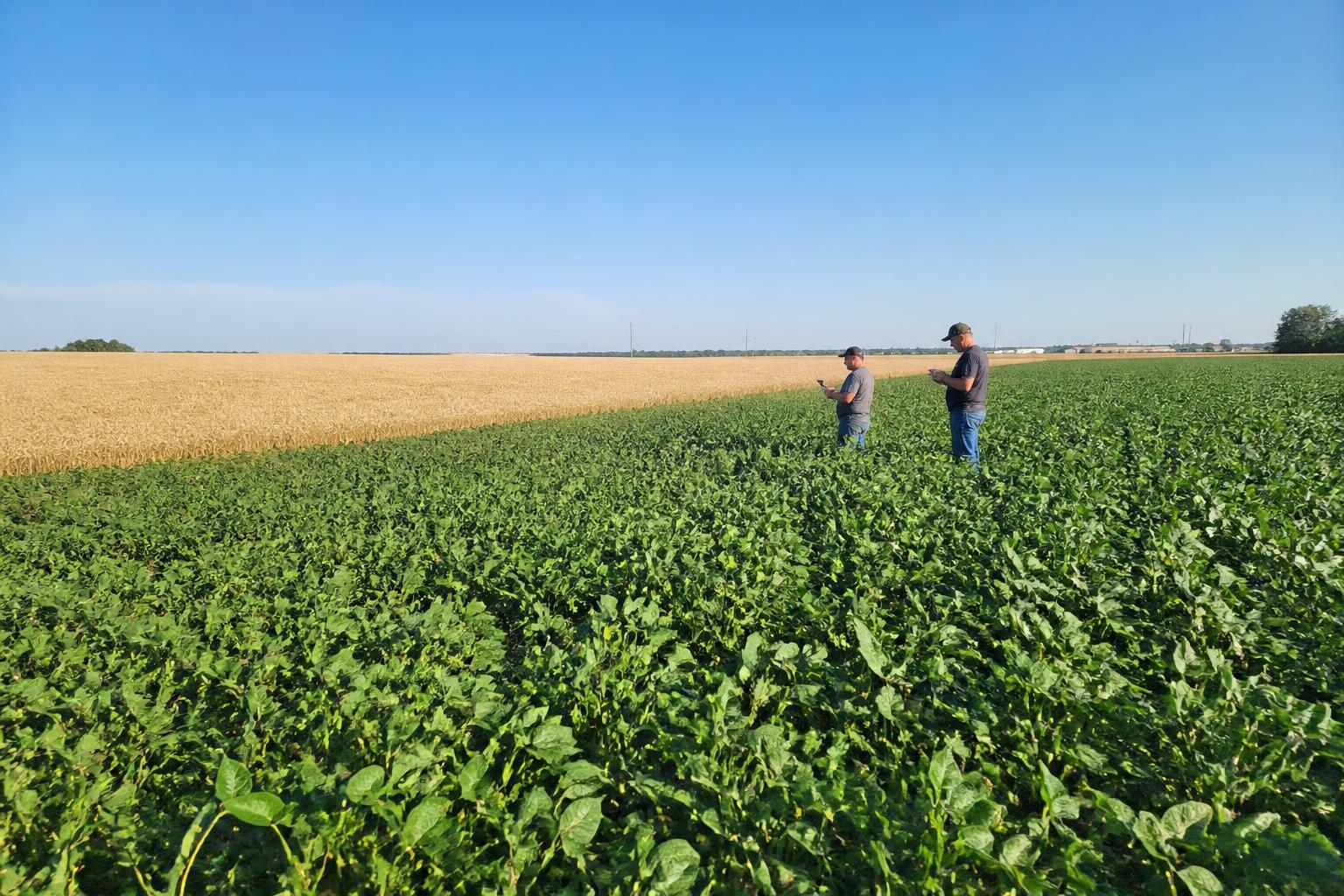
As August progresses, Kansas growers are navigating critical mid-to-late season crop protection windows, requiring vigilant scouting for emerging pests in cotton and soybeans.
We collect original digests and analytical notes based on facts, market signals and verified sources.
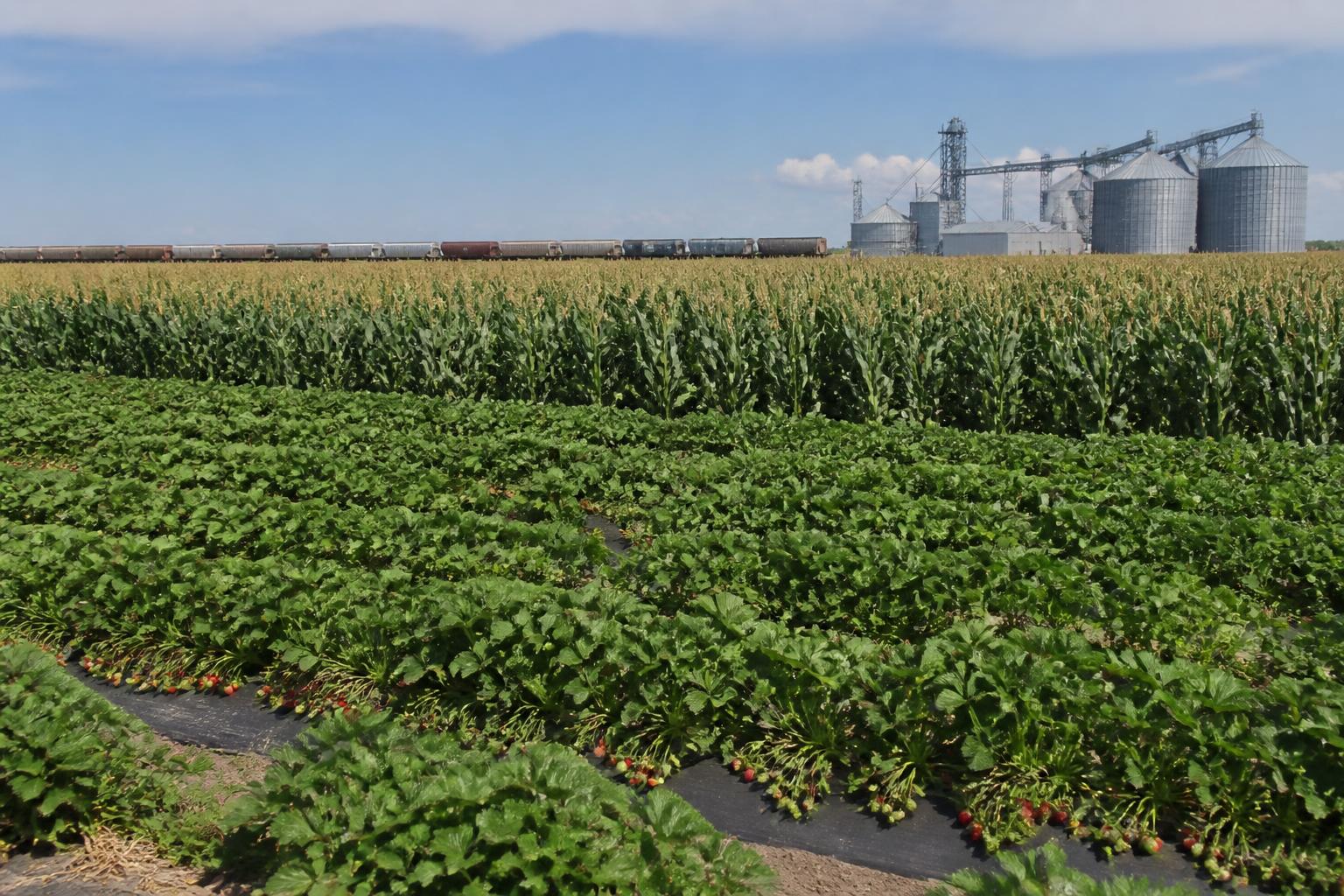
Recent investments in regional grain bin manufacturing capacity signal a strategic shift in Kansas to bolster storage infrastructure for upcoming harvests.
As August progresses, Kansas growers are navigating critical mid-to-late season crop protection windows, requiring vigilant scouting for emerging pests in cotton and soybeans.
As tar spot is detected in Kansas cornfields, growers are urged to step up scouting efforts to protect yields while industry groups advocate for fair fertilizer market practices.
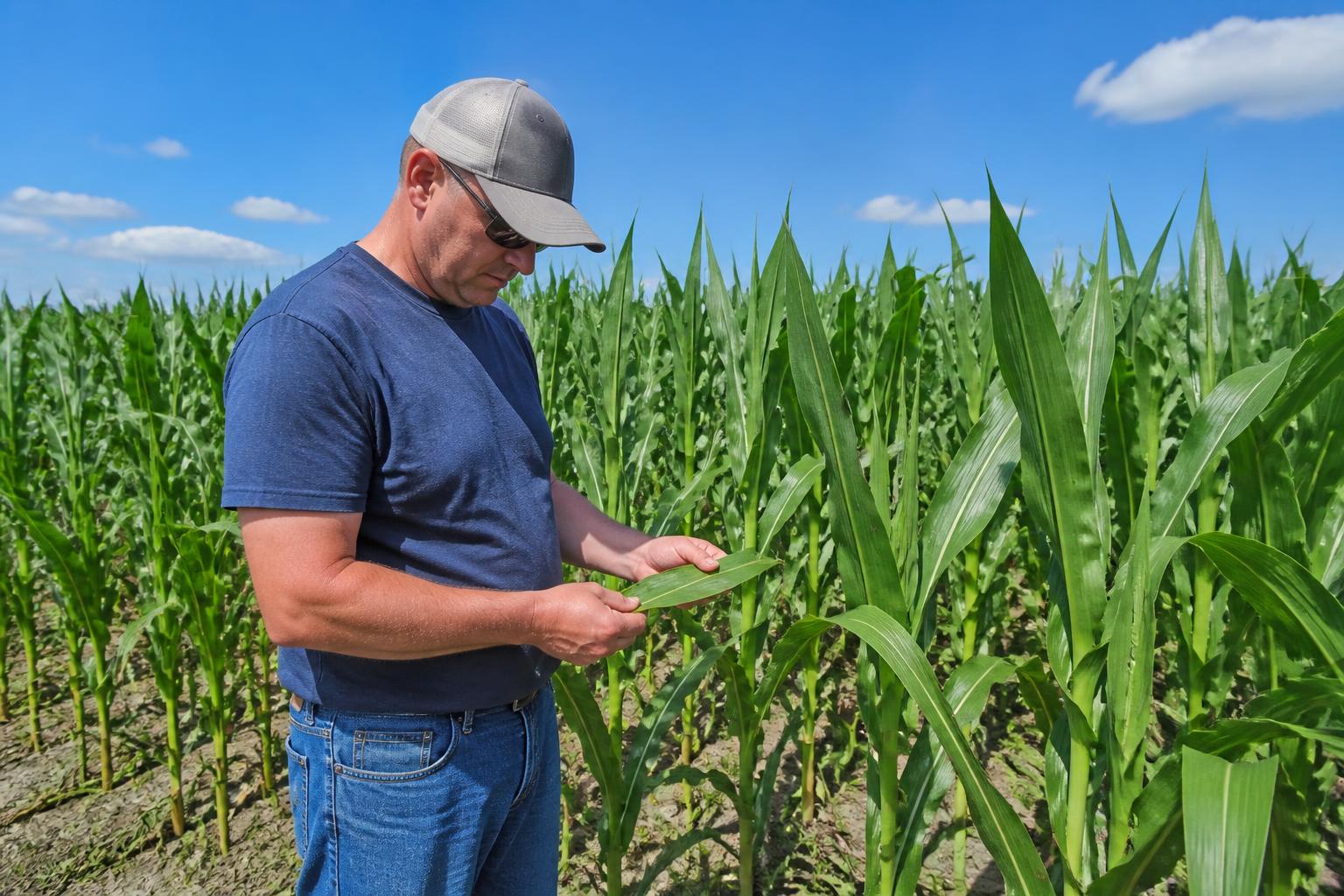
Mid-summer scouting across Kansas is critical as reports of southern rust, tar spot, and leafhopper activity increase, threatening potential yield outcomes.
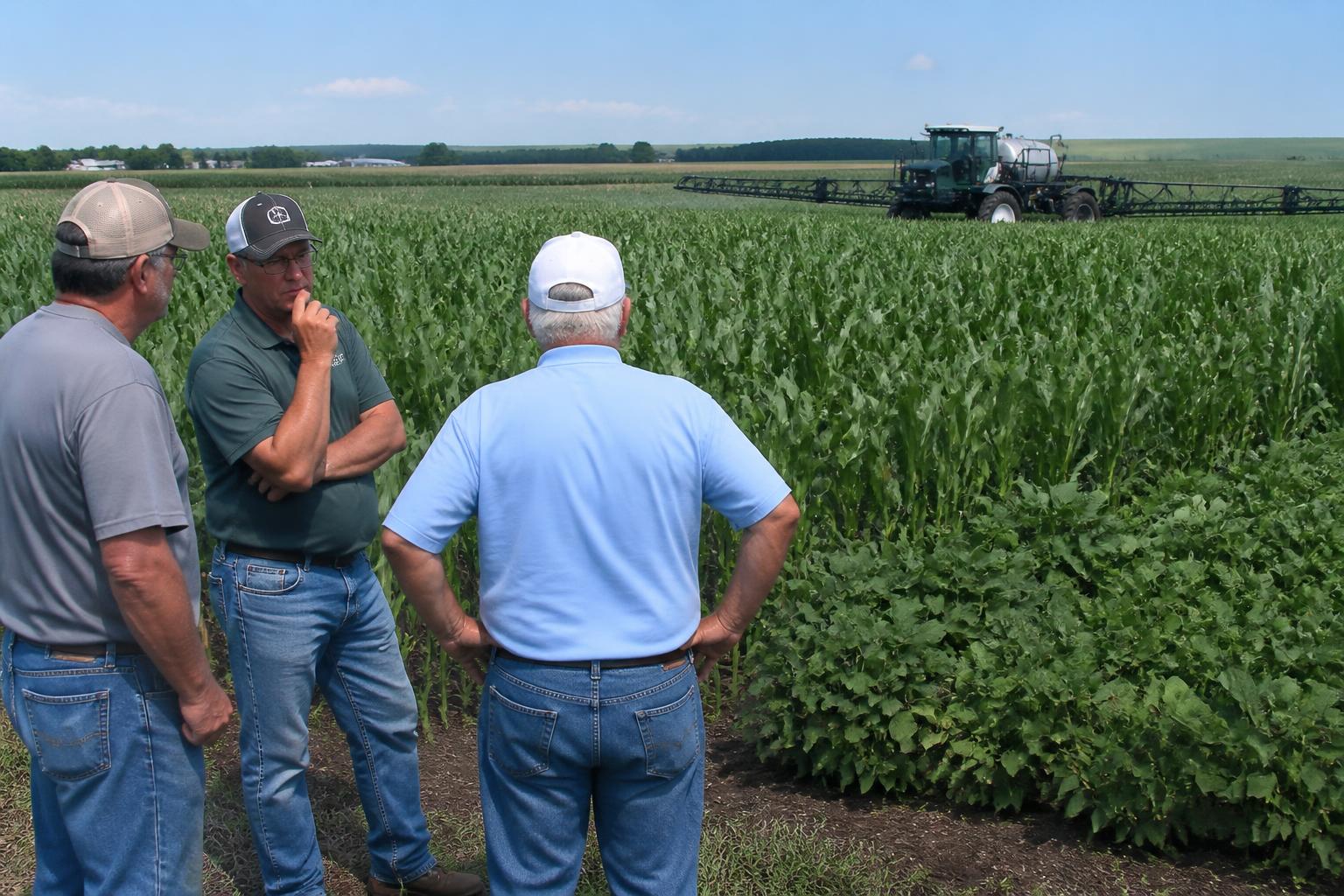
As Kansas farmers navigate high input costs and regulatory uncertainty, field-level management and precision technology remain critical for maintaining margins this summer.
As peak summer heat settles over Kansas, producers are balancing increased disease pressure in corn with emerging precision technology and shifting logistics, impacting overall farm-level input management.
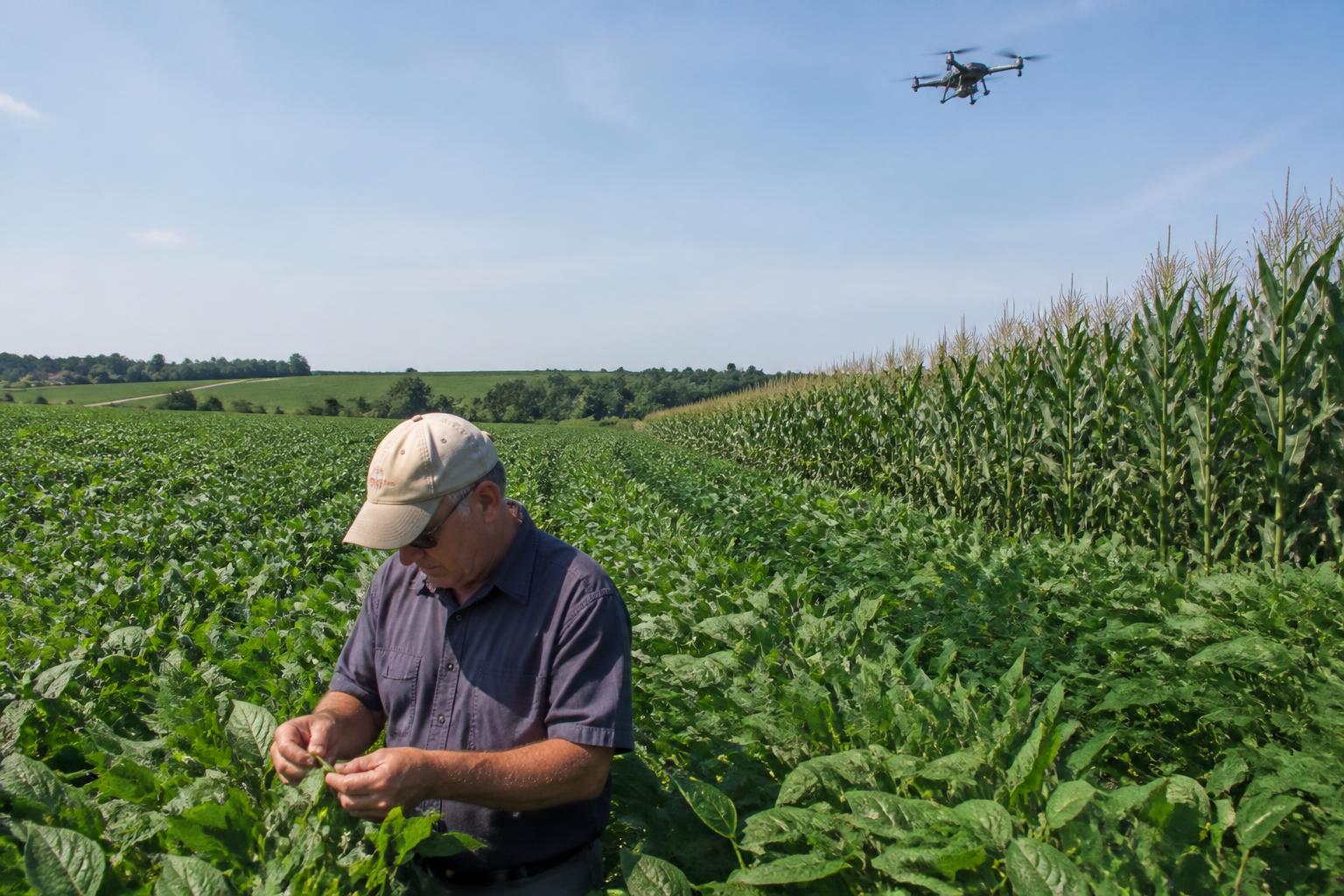
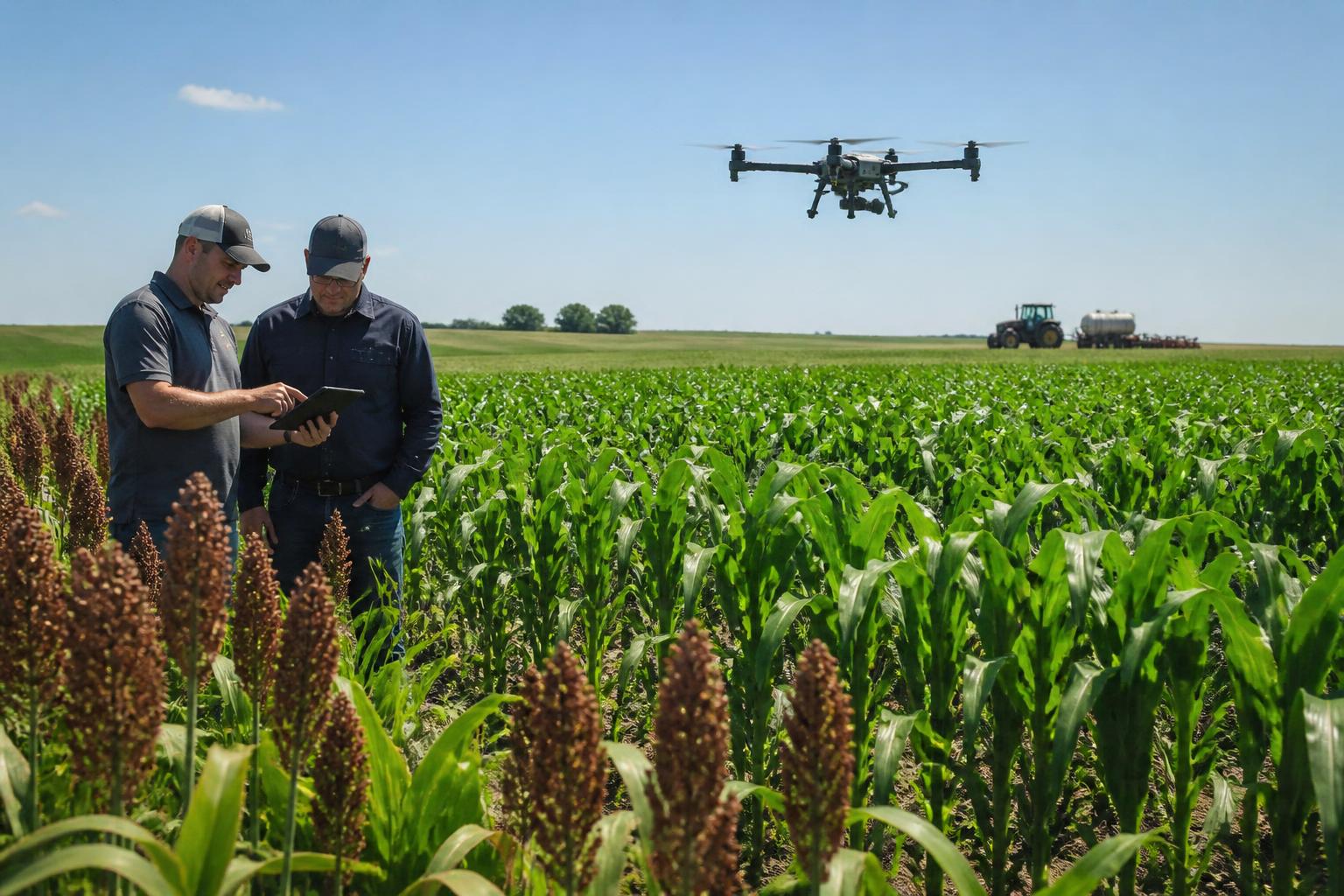
As Kansas farmers navigate mid-summer challenges, the adoption of UAV-based detection and adaptive spraying technologies is helping optimize crop protection strategies.
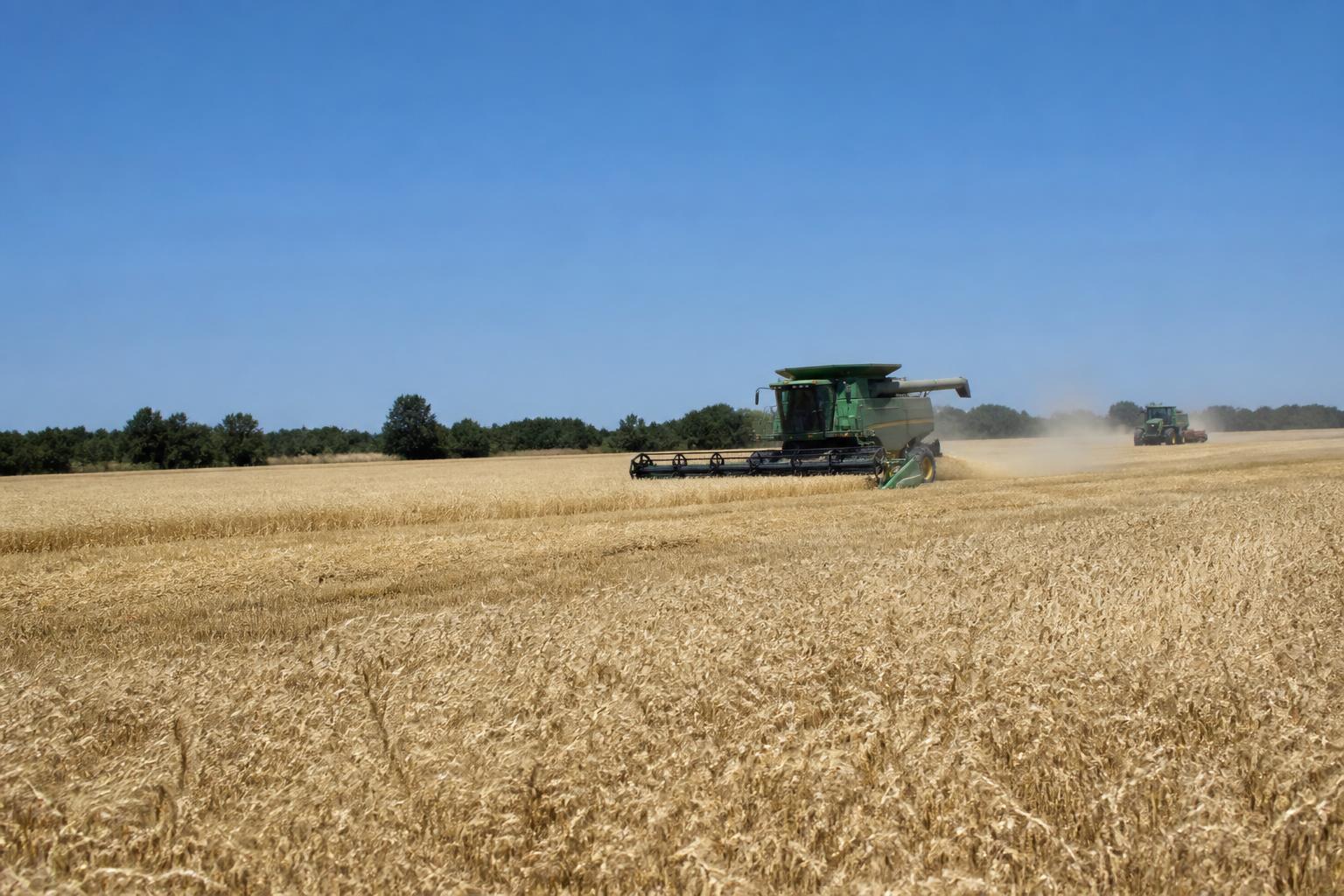
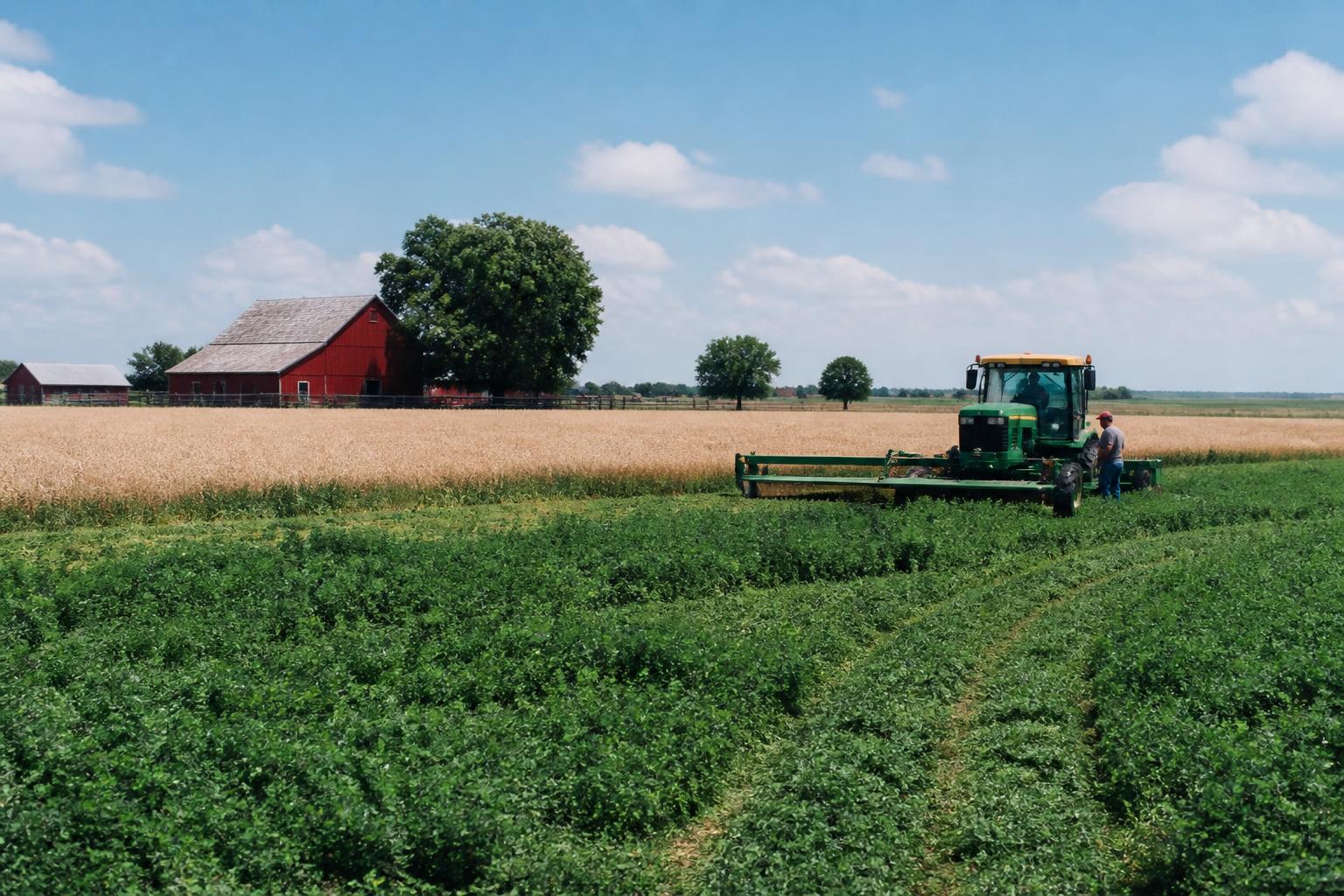
As Kansas wheat harvest wraps up, producers are pivoting to manage late-season agronomic threats and input cost volatility.
Heightened competition for rail access and ongoing infrastructure challenges are creating a complex shipping environment for Kansas grain handlers and producers this summer.
Heightened instability in rail logistics is challenging Kansas grain movement this summer, forcing producers and elevators to rethink their immediate transport strategies.
As the summer harvest advances in Kansas, regional grain handlers and carriers are balancing rail efficiency with the realities of shifting international trade patterns and energy-related cost pressures.
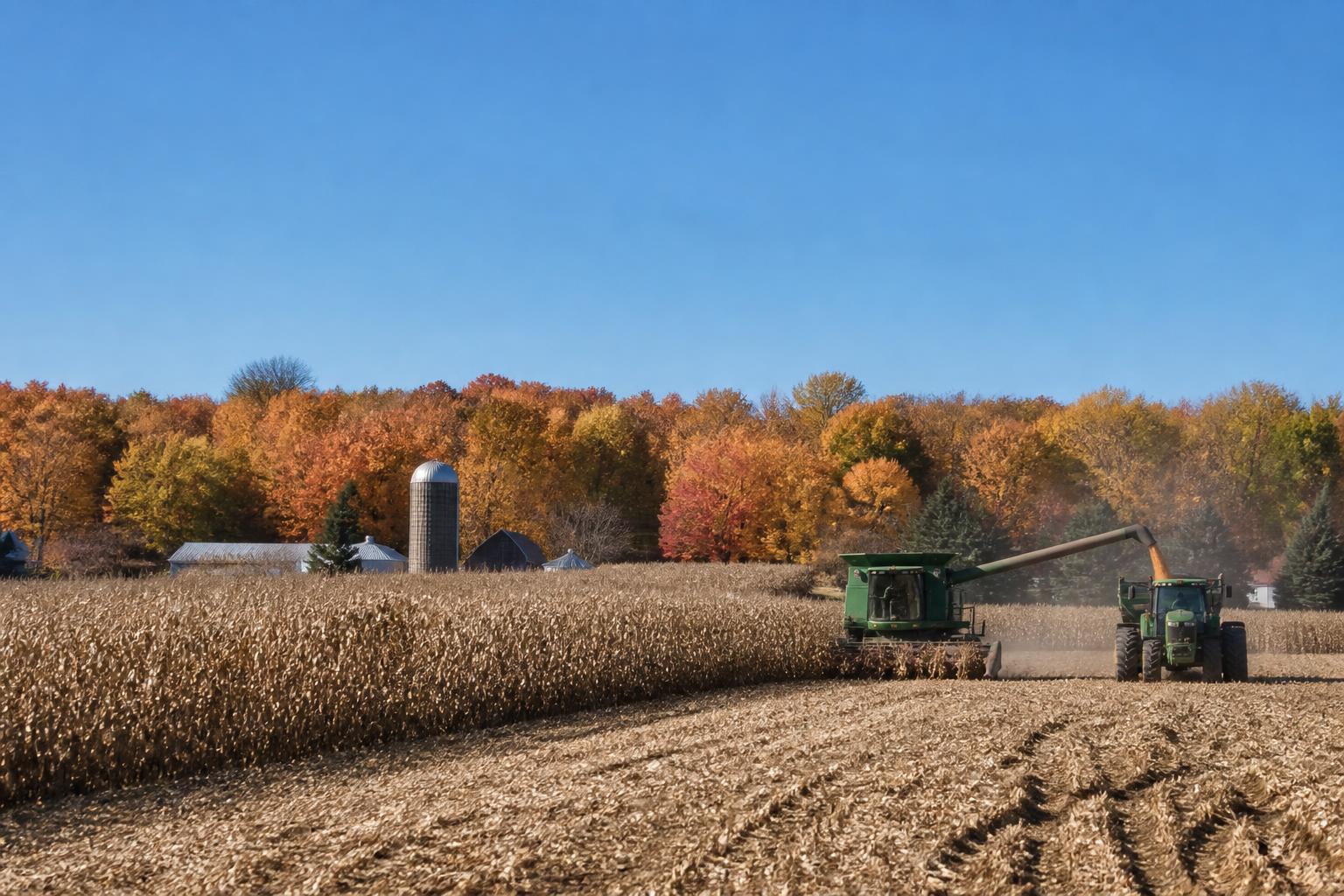
As mid-summer harvest activities intensify across Kansas, producers and grain handlers are balancing rail-driven export optimism against local transportation bottlenecks and high input costs.
Sign in to manage requests, save contacts and respond to market offers quickly.
Continue with Google Continue with MicrosoftSign in to manage requests, save contacts and respond to market offers quickly.
Continue with Google Continue with MicrosoftEnter your email and we will send a password reset link.
Don't have an account?
We value your privacy
We use cookies to run the site and, with your consent, to measure traffic (Google Analytics) and personalize ads. You can accept, reject, or choose. Privacy Policy