
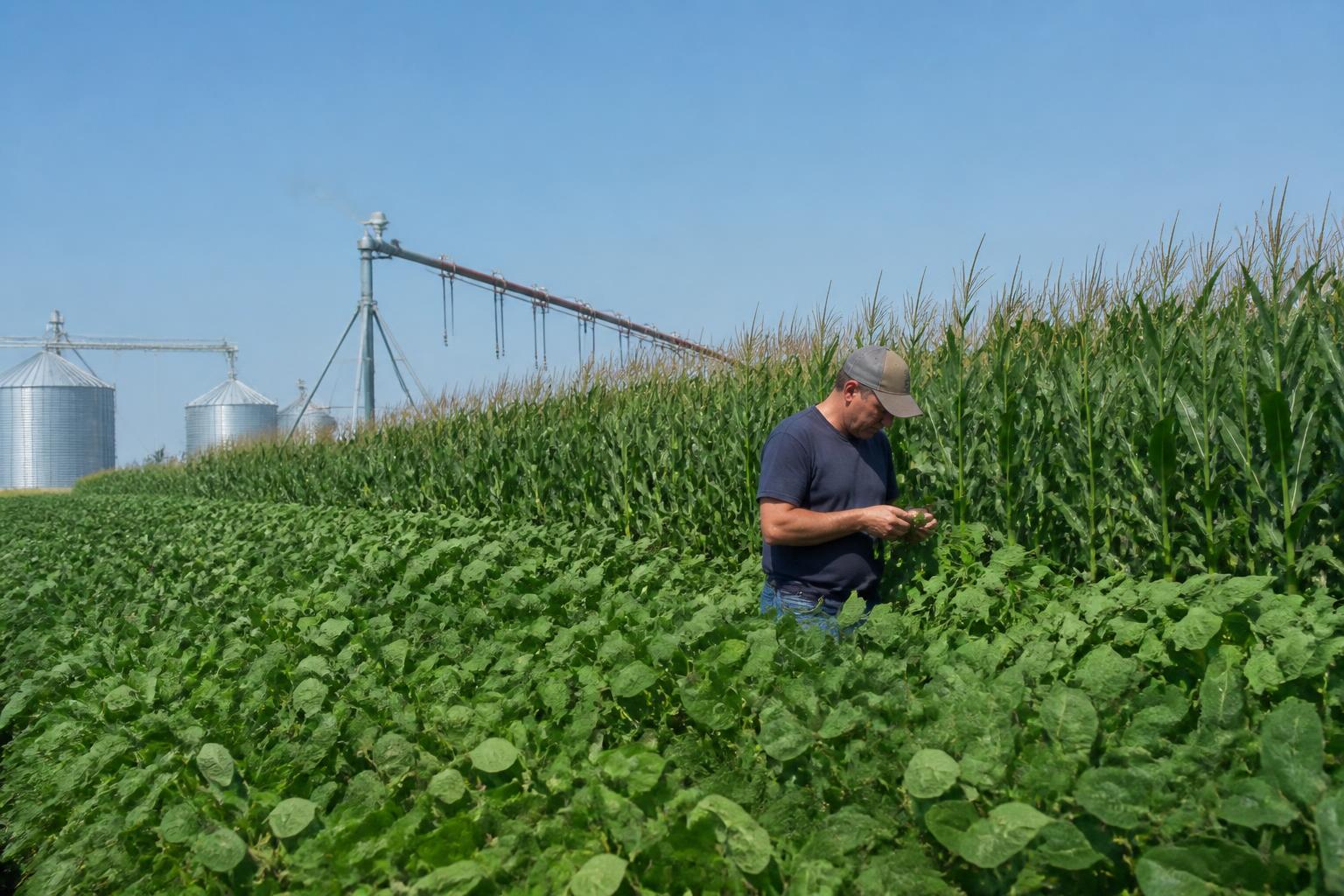
As the mid-summer season progresses across Iowa, producers are increasingly focused on maintaining crop health amid fluctuating environmental variables. Recent field analysis indicates that nearly 4 out of 10 Iowa farm fields are showing signs of nutrient deficiency, a finding that underscores the ongoing challenge of optimizing inputs to meet yield potential. For many growers, managing these gaps is critical to protecting crop development and protection needs during this sensitive phase of the growing cycle.
Addressing Field Risks and Soil Health
Beyond nutrient management, producers are keeping a close watch on common summer field risks. While recent reports have been mixed, with much of the state’s crop performing well, persistent pressure from weeds and potential disease remains a primary concern. The ability to effectively manage summer crop protection, including monitoring for pathogens and pests like the soybean gall midge, continues to be a top priority for agribusinesses and farmers alike.
Logistics and Market Environment
Infrastructure and supply chain reliability remain central to Iowa’s agricultural success. Whether moving inputs or preparing for harvest logistics, the strength of regional transportation and storage infrastructure helps mitigate some of the uncertainties currently faced by the sector. As producers navigate these broader economic and physical conditions, many are focusing on data-driven, localized approaches to manage soil fertility and crop safety more efficiently.
For those managing mid-summer crop protection, the focus on precision is clear. By leveraging current research and monitoring soil nutrient maps, Iowa farmers can better position their operations to address localized deficiencies, potentially improving long-term ROI in an environment where margins remain sensitive to operational costs.
What it means for the market
The prevalence of nutrient-deficient acreage suggests a sustained demand for precise application services and soil health products in the coming months. As firms continue to invest in agricultural innovation across the state, growers should expect more localized solutions to become available, helping to bridge the gap between current soil status and optimal yield performance while buffering against regional agronomic pressures.
Comments
No comments yet - be the first to share your take.