
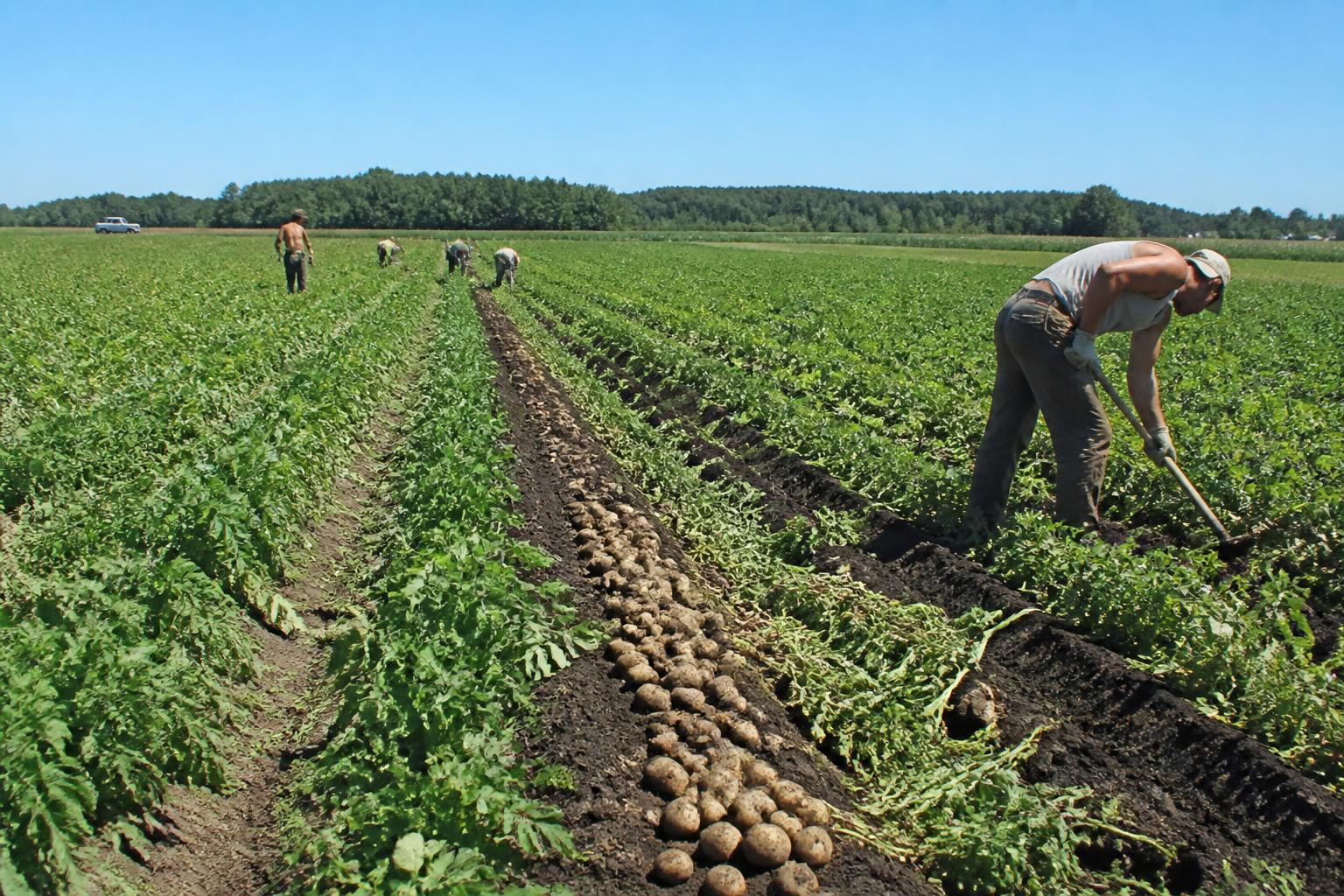
As we navigate the heart of summer in Maine, producers continue to face a complex landscape defined by both operational hurdles and significant market shifts. Recent volatility across agricultural sectors has left many regional operations evaluating their bottom lines as crop prices face downward pressure nationwide, affecting planning for grain handlers and producers alike.
For those managing operational pressures in the field, environmental factors remain a primary concern. Reports indicate that extreme heat continues to stress crops throughout the state, complicating irrigation schedules and impacting yield projections. This weather-driven strain requires careful resource management to maintain quality standards in key production areas from the St. John Valley down to the coastal plains.
Consolidation and Evolving Supply Chains
The business side of Maine agriculture is undergoing a period of restructuring. Recent activity in the poultry and egg sector, particularly with large-scale acquisitions by Cal-Maine, has signaled significant shifts in infrastructure control. These changes can have ripple effects for regional feed mills and local supply logistics, as producers often look to adjust their procurement strategies to align with evolving ownership footprints.
These developments occur against a backdrop of broader economic uncertainty. Many farmers in the state are still actively navigating evolving seasonal challenges, balancing the need for cost-efficient production with the logistical demands of a high-heat summer. Maintaining operational efficiency remains a priority as businesses adapt to these structural shifts.
Navigating Long-Term Sustainability
Beyond current market fluctuations, the long-term outlook involves addressing historical and regulatory obstacles. Ongoing efforts by the Maine delegation to support farms impacted by environmental contamination, such as the focus on so-called forever chemicals, highlight the need for continued investment in land health and remediation.
Understanding the interplay between local demand and state-wide supply chain capacity is essential for anyone involved in the movement of goods. For grain operators and agribusinesses, staying informed on how these factors influence regional logistics and market efficiency can help mitigate risks during this busy harvest lead-up.
What it means for the market
The current climate demands a cautious approach to inventory and capital allocation. With commodity price drops and heightened heat-stress risks, farmers and grain elevators should prioritize maintaining local liquidity and securing reliable, efficient transportation routes to avoid the bottlenecks that often plague mid-summer agricultural throughput.
Comments
No comments yet - be the first to share your take.